12 vs 14 oz Gloves: Key Differences Explained
When you’re stepping into the boxing ring or heading to the gym for a heavy bag session, one of the first decisions you’ll make is choosing the right glove weight. Now, you might be wondering—what’s the real difference between 12 oz and 14 oz gloves? Is it just a couple of ounces, or does it fundamentally change how you train and perform? I’m here to break this down for you in a way that makes sense, whether you’re a beginner or someone looking to upgrade your gear.
The choice between 12 oz and 14 oz gloves isn’t as straightforward as picking a larger size. It’s about understanding what those ounces represent, how they affect your training, and most importantly, which weight suits your specific needs and goals. Let’s dive into this comprehensive guide and explore everything you need to know.
Understanding Boxing Glove Weights
Before we compare 12 oz and 14 oz gloves, let’s talk about what the ounce measurement actually means. The weight stamped on your gloves refers to the total mass of one glove—not the pair. This might surprise some people, but it’s crucial information when you’re making your decision.
Think of glove weight like the armor a knight wears into battle. A heavier suit of armor provides more protection but requires more effort to move in. The same principle applies to boxing gloves. More ounces mean more padding, more cushioning, and ultimately, more protection—but at what cost to your speed and agility?
The Padding Structure and What It Means
When manufacturers add those extra two ounces between a 12 oz and 14 oz glove, they’re primarily adding padding material. This padding is distributed throughout the glove, particularly around the knuckle area, the wrist support, and the palm region. The additional material creates a thicker barrier between your hands and whatever you’re striking.
- More padding equals greater shock absorption
- Increased weight means better protection for your hands
- Extra material translates to more wrist stability
- Additional cushioning reduces impact intensity
12 oz Gloves: The Lighter Option
Let me paint you a picture: you’re a boxer who values speed, precision, and quick reflexes. You want to feel connected to your opponent, respond instantly to openings, and maintain fluidity throughout your rounds. This is where 12 oz gloves shine.
Advantages of 12 oz Gloves
Lighter gloves offer several compelling benefits that make them attractive to many fighters and fitness enthusiasts. First and foremost, there’s the speed factor. With less weight on your hands, you can throw combinations more rapidly. Your arms experience less fatigue over extended training sessions, which means you can maintain your intensity and technique for longer periods.
Another major advantage is the feedback you receive. Lighter gloves provide better hand sensation, allowing you to feel exactly where your punch is landing. This direct connection helps you develop better accuracy and control—essential skills whether you’re competing or training for fitness.
- Superior hand speed and reaction time
- Reduced arm fatigue during long training sessions
- Better proprioceptive feedback and punch accuracy
- Increased maneuverability in combinations
- Lighter on the neck and shoulders during sustained use
Who Should Choose 12 oz Gloves?
If you’re a competitive boxer training for fights, 12 oz gloves might be your sweet spot. Fighters typically wear these for sparring sessions where simulation is crucial. You want your training to mirror the speed and feel of actual competition as closely as possible. Similarly, if you’re focused on bag work and conditioning, the lighter weight allows you to maintain higher training volumes without overexerting your shoulders and arms.
Advanced fitness enthusiasts also gravitate toward 12 oz gloves. If you’ve been boxing for a while and have developed solid wrist strength and technique, the reduced padding shouldn’t cause concern. Your hands and wrists can handle the impact, especially if you’re already conditioned.
Potential Drawbacks of 12 oz Gloves
Now let’s be honest—lighter gloves aren’t perfect for everyone. The reduced padding means less protection for both your hands and your training partner. If you’re sparring with someone less experienced or more powerful, that lack of cushioning becomes noticeable. Your hands might fatigue faster if they’re not already accustomed to impact, and there’s a higher risk of developing hand injuries over time if you’re not careful.
Additionally, if you’re just starting your boxing journey, jumping straight to 12 oz gloves might be premature. Your wrist stabilizers haven’t developed yet, and your hand conditioning is still in early stages.
14 oz Gloves: The Heavier Choice
Now let’s shift gears and explore the other side of the spectrum. Fourteen ounce gloves represent the middle ground in many boxing circles—offering a balance between protection and performance that appeals to a broad range of practitioners.
Advantages of 14 oz Gloves
The primary benefit of 14 oz gloves is straightforward: protection. That extra padding serves as a shock absorber, distributing impact force across a larger surface area. This means less stress on your knuckles, wrists, and hands generally. If you’re doing heavy bag work multiple times per week, this cushioning becomes increasingly valuable.
When you’re sparring, especially if you’re facing opponents with different skill levels, 14 oz gloves provide a safety net. They protect your training partner from the full force of your strikes, which encourages more productive, safer sparring sessions. This is particularly important if you’re teaching or training with newcomers to the sport.
- Substantially more hand and wrist protection
- Reduced impact stress on joints and bones
- Better safety margin during partner sparring
- Ideal for beginners still building hand conditioning
- Excellent for high-volume training without injury risk
- Longer glove lifespan due to better durability
Who Should Choose 14 oz Gloves?
If you’re new to boxing or combat sports, 14 oz gloves are genuinely your best friend. They allow you to learn proper technique without placing excessive stress on your developing wrist stabilizers and hand structures. Your body needs time to adapt to impact, and these gloves give you that runway.
Fitness enthusiasts who box for cardiovascular benefits rather than competitive aspirations also find 14 oz gloves ideal. You get an excellent workout, the protection you need for multiple weekly sessions, and the peace of mind knowing you’re minimizing injury risk. Similarly, if you’re training with partners regularly, the additional padding makes everyone more comfortable during sparring exchanges.
Potential Drawbacks of 14 oz Gloves
Here’s where we get practical about the trade-offs. Those extra two ounces add up during a training session. By round six or seven, you’ll notice your arms feeling heavier. The additional weight can contribute to shoulder and neck fatigue, especially if you’re new to the sport or haven’t developed adequate conditioning.
The extra padding also dulls your hand feedback slightly. You won’t feel your punches as clearly, which can make accuracy refinement trickier. If you’re working on precise combinations or target practice, this reduced sensitivity might frustrate you compared to lighter gloves.
Key Differences Between 12 oz and 14 oz Gloves
Weight Distribution and Impact
The fundamental difference lies in how impact is managed. When you throw a punch in 12 oz gloves, the force concentrates over a smaller, less padded area. With 14 oz gloves, that same force spreads across more material. It’s like the difference between being hit by a hammer versus being hit by a mallet—same force, but distributed differently.
Speed and Agility Comparison
This is where the differences become immediately apparent during training. Boxers wearing 12 oz gloves can throw faster combinations and transition between punches more quickly. They can slip, duck, and weave with less effort. Fourteen oz gloves slow you down slightly—not dramatically, but noticeably. For someone training to compete, this matters. For someone training for fitness, it’s often negligible.
Hand and Wrist Support
Both 12 oz and 14 oz gloves provide wrist support through their construction, but the quality varies significantly based on brand and design. Generally, 14 oz gloves offer more wrist stabilization simply due to increased material volume. If you have previous wrist injuries or weaker wrists naturally, this becomes an important consideration.
Training Partner Protection
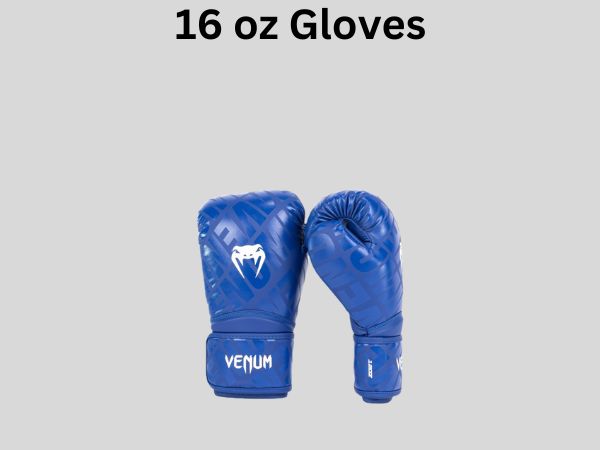
If you’re sparring, your training partner experiences a noticeable difference between these weights. Fourteen oz gloves deliver gentler impacts, making them the ethical choice for working with less experienced partners or during controlled sparring sessions focused on technique rather than intensity.
Choosing Based on Your Training Goals
For Competitive Boxing
If you’re training with professional competition in mind, the governing body rules matter most. Many amateur boxing organizations require 10 oz or 12 oz gloves for competition. To properly simulate your competitive environment, you’d typically train in these same weights. This creates a straightforward decision—go with 12 oz for most of your sparring and technical work.
For Heavy Bag and Conditioning Work
This is where personal preference genuinely matters more. Are you trying to build explosive power? Twelve oz gloves let you throw volume and maintain form. Are you focused on conditioning while protecting your hands for consistent weekly training? Fourteen oz gloves make sense. Many boxers use both—12 oz for speed work and 14 oz for heavy volume days.
For Fitness and General Training
If boxing is your fitness vehicle rather than your competitive pursuit, 14 oz gloves generally serve you better. They’re more forgiving on your hands, require less experience to use safely, and encourage longer, healthier training careers without hand injuries accumulating over time.
For Beginners
Absolutely start with 14 oz or even 16 oz gloves. Your hands, wrists, and the muscles supporting them need conditioning time. The padding protects you while you’re learning proper technique. Once you’ve built adequate conditioning—typically after several months of regular training—you can experiment with lighter gloves if desired.
Material Quality and Padding Technology
Here’s something many people overlook: ounce weight is just one piece of the puzzle. The actual quality of padding material matters tremendously. A well-made 12 oz glove with advanced foam technology might actually provide better protection than a poorly designed 14 oz glove with cheap padding.
Modern boxing gloves use various padding technologies—some brands feature multi-layer foam systems that efficiently absorb impact without requiring excessive bulk. Others use traditional materials requiring more volume to achieve similar protection. This is why comparing gloves involves more than just reading the weight specification.
Budget Considerations
Generally, 14 oz gloves are slightly more affordable than 12 oz gloves because they require more material. However, the price difference is minimal—usually just five to fifteen dollars. Don’t make your decision purely on price; the performance and protection differences matter more than modest cost savings.
Trying Before Buying
If possible, borrow gloves from friends or test them at your gym before making a purchase. Spending fifteen minutes hitting a bag with different weights gives you genuine insight into which feels more natural. Your body will tell you what works—trust that feedback.
Transition Between Weights
Moving from Heavier to Lighter Gloves
If you’re currently training in 14 oz gloves and considering dropping to 12 oz, do it gradually. Your hands and wrists have adapted to the heavier weight. Jumping straight to lighter gloves can surprise your system. Start with one session per week in 12 oz gloves while maintaining your regular 14 oz training. After a few weeks, gradually increase the frequency.
Moving from Lighter to Heavier Gloves
This transition is usually easier. If you’ve been using 12 oz gloves and switch to 14 oz, you’ll immediately notice the difference, but your hands and wrists are already well-conditioned. The primary adjustment is simply managing the slight fatigue increase from the extra weight.
Maintenance and Longevity
Interestingly, 14 oz gloves often last slightly longer than 12 oz gloves. The extra padding provides a larger buffer against wear and tear. If you’re planning to keep the same pair of gloves for multiple years of heavy use, slightly heavier gloves might be the economical choice despite their slightly higher upfront cost.
Professional Recommendations
Ask your boxing coach what they recommend for your situation. Experienced trainers have seen thousands of boxers progress through their careers and can offer personalized guidance. They understand your technique, your hand strength, and your specific goals better than any article can.
The Bottom Line: Making Your Decision
Choosing between 12 oz and 14 oz gloves ultimately depends on your experience level, training goals, frequency of training, and personal preferences. There’s no universally correct answer—only the right answer for your specific situation.
Beginners and fitness-focused trainers generally benefit from 14 oz gloves. Competitive boxers and advanced practitioners often prefer 12 oz gloves. If you’re torn between the two, remember that the difference is modest enough that you genuinely can’t go wrong with either choice.
Conclusion
The debate between 12 oz and 14 oz gloves has continued in boxing gyms worldwide because both options serve legitimate purposes. Those extra two ounces represent a meaningful choice about how you want to prioritize speed and feedback against protection and safety. Whether you’re lacing up for competitive sparring, heavy bag conditioning, or fitness training, understanding these differences empowers you to make an informed decision that aligns with your goals.
Remember that glove weight is just one factor in your boxing equipment toolkit. Proper technique, consistent training, and listening to your body matter far more than having the theoretically perfect glove weight. Start with what feels right based on your experience level, train smart, and don’t be afraid to adjust your choice as you progress. Your hands will thank you for making a thoughtful decision.
Frequently Asked Questions
Can beginners use 12 oz gloves, or should they always start with 14 oz?
While beginners can technically use 12 oz gloves, 14 oz or even 16 oz is generally recommended. Beginners haven’t yet developed the wrist stabilizer muscles and hand conditioning necessary to safely handle lighter gloves during extended training sessions. Starting with heavier gloves provides protection while your body adapts to impact and your technique improves. After several months of regular training, you can transition to lighter options if desired.
Do heavier gloves provide better protection, or is there a point where additional weight doesn’t help?
Generally, additional padding does provide more protection up to a point. However, the relationship isn’t perfectly linear. Quality of padding materials matters significantly. A well-engineered 12 oz glove might protect nearly as well as a poorly designed 16 oz glove. Additionally, beyond about 16 oz, you reach diminishing returns—the added weight creates fatigue and stress that can actually increase injury risk rather than decrease it. For most purposes, 14 oz represents an excellent protective sweet spot.