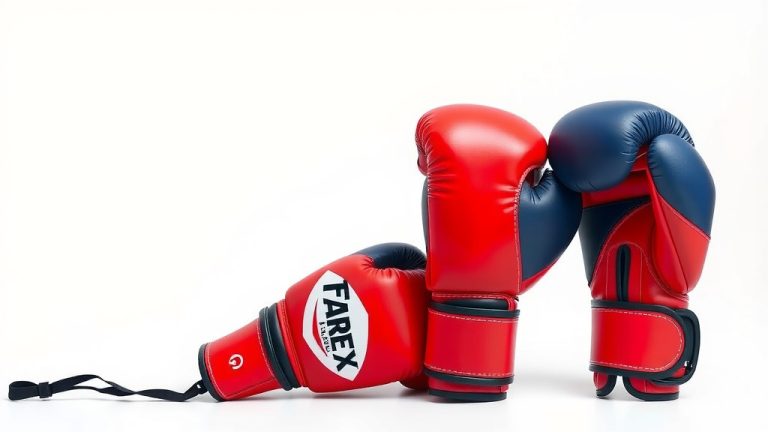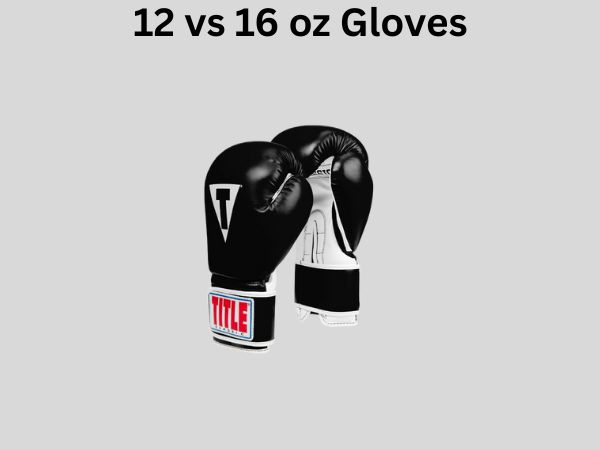
12 vs 16 oz Gloves: Which Size Is Best for Sparring?
When you’re stepping into the boxing ring for the first time, one of the most important decisions you’ll make isn’t about your footwork or your jab—it’s about what you’re wearing on your hands. The choice between 12 oz and 16 oz boxing gloves can feel overwhelming, especially when you’re trying to figure out what’s actually going to work best for your training goals. I’ve been there myself, staring at two pairs of gloves wondering which one would give me the edge I needed. Let me walk you through everything you need to know to make the right choice for your sparring sessions.
Understanding Boxing Glove Sizes and Weight Classifications
Before we dive into the specifics of 12 oz versus 16 oz gloves, it’s important to understand what these numbers actually mean. The weight measurement refers to the total mass of a single glove, measured in ounces. Think of it like choosing between two different suits of armor—one is lighter and more nimble, while the other is heavier and more protective. The ounce measurement is standardized across the boxing world, so when you see “12 oz,” every manufacturer is referring to approximately the same weight.
These weight categories exist for a reason. They’re not arbitrary numbers that manufacturers threw together. They’re designed with specific fighting styles, body weights, and training purposes in mind. Understanding this foundation will help you make an informed decision that actually aligns with your needs.
What Are 12 oz Boxing Gloves?
The Lightweight Champion of the Ring
Twelve ounce gloves are the lighter option in this comparison, and they’re incredibly popular among professional boxers and serious amateur competitors. These gloves sit at a sweet spot where you get adequate hand protection without the bulk that heavier gloves provide. When you put on a pair of 12 oz gloves, you’ll immediately notice how responsive they feel. Your hands move faster, your combinations flow more naturally, and you can feel your opponent’s movements more clearly through the glove padding.
The reduced weight means less fatigue in your arms and shoulders during training. If you’re working on speed drills or practicing combination work for extended periods, your arms won’t be as exhausted by the end of the session. This is particularly valuable when you’re trying to maintain technical precision over multiple rounds.
Ideal Users for 12 oz Gloves
- Boxers weighing 140 pounds or more
- Professional and serious amateur fighters
- Athletes focused on speed and precision training
- Experienced boxers with proper form and control
- Competitors training for actual bouts
Advantages of 12 oz Gloves
The primary advantage of 12 oz gloves is the speed and responsiveness they offer. Because there’s less material between your hand and the target, you get better feedback. When you’re practicing precise combinations or working on counter-punching, this feedback is invaluable. You can feel exactly where your punch landed and adjust your technique accordingly.
Another significant advantage is reduced fatigue. During a two or three round sparring session, your shoulders and arms will thank you for not lugging around extra weight. This allows you to maintain better form throughout your training and focus on technique rather than just trying to survive the session.
Disadvantages of 12 oz Gloves
Here’s the trade-off: 12 oz gloves offer less cushioning and protection compared to heavier options. If you’re a beginner or someone who hasn’t yet developed perfect technique, this reduced padding means more impact reaches your hands and potentially your opponent’s face. While this is fine in a controlled training environment with proper technique, it’s something to consider if you’re working with less experienced partners.
The lighter construction also means these gloves aren’t as forgiving of sloppy form. If your punches lack proper alignment or structure, your hands will feel the consequences more directly. This actually makes them better for learning, but it’s a consideration if you’re just starting out.
What Are 16 oz Boxing Gloves?
The Protection-First Option
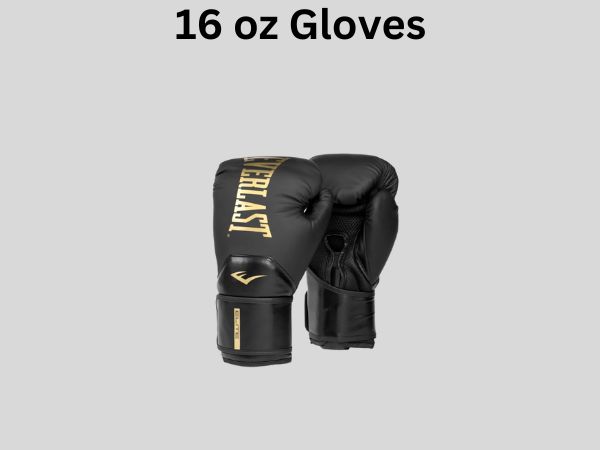
Sixteen ounce gloves are the heavier option, and they’re the choice you’ll see most often in amateur boxing gyms and beginner-friendly environments. The extra weight comes from additional padding designed to absorb more impact and distribute force over a wider area. When you slip on a pair of 16 oz gloves, they feel substantially different from their 12 oz counterparts. They’re bulkier, they require more effort to move, and they provide a noticeably cushioned feel.
The increased padding in 16 oz gloves serves a specific purpose: it protects both you and your sparring partner. The extra material absorbs significantly more impact, which reduces the risk of injury and makes sparring sessions more sustainable over time. This is particularly important if you’re training multiple times per week or working with partners of varying skill levels.
Ideal Users for 16 oz Gloves
- Beginners and novice boxers
- Fighters weighing under 140 pounds
- Amateur boxers in lighter weight classes
- Anyone prioritizing injury prevention during training
- Athletes doing high-volume sparring sessions
Advantages of 16 oz Gloves
The most obvious advantage is the enhanced protection they provide. The extra ounces of material and padding mean that impacts are spread across a wider area and absorbed more effectively. This reduces the risk of hand injuries and makes sparring feel significantly less punishing. If you’re training frequently, this protection really matters.
Another advantage is that 16 oz gloves are more forgiving of imperfect technique. If your punch isn’t perfectly aligned or your form is slightly off, the extra padding cushions that mistake. This makes them excellent for beginners who are still learning proper technique and haven’t yet developed the muscle memory for perfect form every single time.
Sixteen ounce gloves also create a safer environment when you’re sparring with less experienced partners. The extra padding means your punches are less likely to cause injury, even if you accidentally overcommit or lose control momentarily.
Disadvantages of 16 oz Gloves
The main drawback is the reduced feedback and responsiveness. Because there’s more material between your fist and the target, you don’t feel impacts as clearly. This can actually slow down your technical development because you’re not getting the same level of proprioceptive feedback about where your punches are landing and how they’re connecting.
The additional weight also contributes to arm fatigue more quickly. After several rounds of training with 16 oz gloves, your shoulders and arms will feel noticeably more tired compared to training with 12 oz gloves. This fatigue can actually compromise your technique in the later rounds, which somewhat defeats the purpose of having more protection.
Direct Comparison: 12 oz vs 16 oz Gloves
Weight and Responsiveness
The four ounce difference might sound minimal, but in boxing, it matters more than you’d think. Twelve ounce gloves feel noticeably lighter and more responsive. Your hands move faster, your combinations feel crisper, and you get better feedback about your punch placement. If you’re someone who values speed and precision, this difference is significant.
Sixteen ounce gloves feel heavier and require more effort to move. Some people describe it as feeling like you’re wearing weighted training gloves, which actually makes them useful for building arm strength and conditioning. However, this added effort can interfere with technical precision if that’s your primary training focus.
Protection Level
Sixteen ounce gloves offer objectively better protection. The additional padding absorbs more impact and distributes force more effectively. If injury prevention is your top priority, 16 oz is the clear winner. However, 12 oz gloves with proper technique still provide adequate protection for safe sparring. The difference is that 16 oz gives you more of a safety margin if technique falters momentarily.
Comfort and Fit
Comfort is subjective and depends on your hand size and personal preference. Twelve ounce gloves tend to feel more snug and responsive, giving you a better sense of your hand position. Sixteen ounce gloves feel more cushioned and can feel slightly loose in the hand if you have smaller hands. Some people love this extra padding for comfort, while others find it distracting.
Training Goals and Purposes
Your choice should ultimately align with your training goals. If you’re working on speed, precision, and developing your technique as a serious competitor, 12 oz gloves are the way to go. If you’re a beginner focusing on learning basics safely, or if you’re doing high-volume sparring with multiple partners, 16 oz gloves make more sense.
Choosing Based on Your Body Weight
Lighter Weight Boxers (Under 140 lbs)
If you weigh less than 140 pounds, the sporting commissions and boxing organizations typically require 16 oz gloves. There’s good reason for this. Lighter athletes generate less natural power, so the additional protection helps balance the playing field when sparring with heavier opponents. The extra padding also protects your hands and joints from repeated impacts.
Middleweight and Heavier (140 lbs and Up)
Once you’re in the middleweight range and above, 12 oz gloves become a legitimate option. At these weight classes, you have enough natural mass and power that the lighter gloves still provide adequate protection. Professional boxers at these weights commonly use 12 oz gloves for training and competition.
Glove Selection for Different Training Scenarios
Heavy Bag Work
For hitting the heavy bag, both sizes work fine, though many boxers prefer 12 oz for the feedback and 16 oz for the extra wrist support. The best choice here depends on whether you’re focusing on power development or technical combinations. Power work benefits from 16 oz, while combination drills benefit from 12 oz.
Speed Bag and Double-End Bag Training
Lighter gloves are generally better for these training tools. The 12 oz option gives you better hand speed and feedback, which translates to improved timing and coordination. The speed required for these bags makes the lighter weight advantageous.
Sparring Sessions
This is where the choice really matters. If you’re a beginner sparring with someone more experienced, 16 oz gloves are safer for both parties. If you’re an experienced boxer sparring with someone at your level, 12 oz gloves allow you to work more technically. The safety level of your sparring partner matters here—always prioritize safety over everything else.
Pad Work with a Coach
Twelve ounce gloves are ideal for pad work because you get immediate feedback about your punch placement and timing. Your coach can also see exactly where your punches are landing, making corrections easier and more precise.
Important Safety Considerations
Never Prioritize Equipment Over Technique
This is the most important point I can make: proper technique is infinitely more important than glove weight. A beginner with poor form can cause serious injury even while wearing 16 oz gloves, while an experienced boxer with perfect technique can safely spar in 12 oz gloves. Always invest in learning correct form before worrying too much about equipment.
Consider Your Sparring Partner’s Experience
The weight of your gloves should partly depend on who you’re sparring with. If your partner is less experienced, heavier gloves are the more ethical choice. The extra padding protects them from injury and creates a better training environment. Never let ego dictate your equipment choices when someone’s safety is on the line.
Hand Wraps Are Non-Negotiable
Regardless of which glove size you choose, proper hand wraps are essential. Wraps provide wrist support and distribute pressure evenly across your hand. A well-wrapped hand with 12 oz gloves can actually feel safer than a poorly wrapped hand with 16 oz gloves. Invest time in learning proper wrapping technique.
Cost Considerations
Generally, 16 oz gloves are slightly less expensive than 12 oz gloves from the same manufacturer, though the difference is usually minimal. Quality matters far more than size when it comes to price. A premium pair of 12 oz gloves from a reputable brand will outperform a cheap 16 oz pair in every meaningful way. Don’t let price alone drive your decision.
Real-World Training Experience
Let me share what I’ve observed after years of training and watching others train. Most serious boxers end up owning both sizes. They use 16 oz gloves when training with beginners or during high-volume sessions where injury prevention is paramount. They use 12 oz gloves when working with experienced partners or focusing on speed and technical development.
Beginners typically start with 16 oz and eventually move to 12 oz as their technique improves and they get bigger. The transition usually happens naturally as you become more confident in your form and your sparring partners become more skilled.
Pro Tips for Making Your Decision
- Test both sizes at your gym if possible before purchasing
- Consider your primary training focus and goals
- Factor in your weight class and typical sparring partners
- Remember that your hand health is more important than any single training session
- Invest in quality wraps regardless of glove choice
- Don’t feel pressured to use heavier or lighter gloves just because someone else does
- Reassess your needs every few months as your skills develop
Conclusion
The choice between 12 oz and 16 oz boxing gloves ultimately depends on your individual situation. If you’re a beginner, weigh less than 140 pounds, or prioritize maximum protection during frequent sparring sessions, 16 oz gloves are the better choice. The extra padding and protection create a safer training environment while you develop your skills.
If you’re an experienced boxer weighing 140 pounds or more, focused on speed and technical development, or training for competition, 12 oz gloves are worth considering. They offer better feedback, faster hand speed, and reduced arm fatigue, allowing you to maintain precision throughout your training sessions.
Whatever you choose, remember that the gloves are just one piece of the puzzle. Proper technique, intelligent training, quality hand wraps, and respect for your sparring partners matter far more than which size you select. Start with what makes sense for your current situation, and don’t hesitate to adjust as your skills and goals evolve. Boxing is a lifelong journey, and your equipment choices should evolve with you.
Frequently Asked Questions
Can I use 12 oz gloves if I’m a beginner?
You technically can, but it’s not recommended for most beginners. The reduced padding means less forgiveness if your technique isn’t perfect, and you’re more likely to injure your hands or your sparring partners. That said, if you’re a beginner with excellent coaching and proper form from day one, lighter gloves can actually accelerate your technical development. The key is having guidance from an experienced coach who can ensure your technique stays correct. Most beginners benefit from starting with 16 oz gloves and transitioning to 12 oz once they’ve built a solid technical foundation.
Do heavier gloves make me a better fighter?
Heavier gloves don’t make you a better fighter, but they can create an environment where you’re more likely to develop good habits. The extra protection reduces the punishment