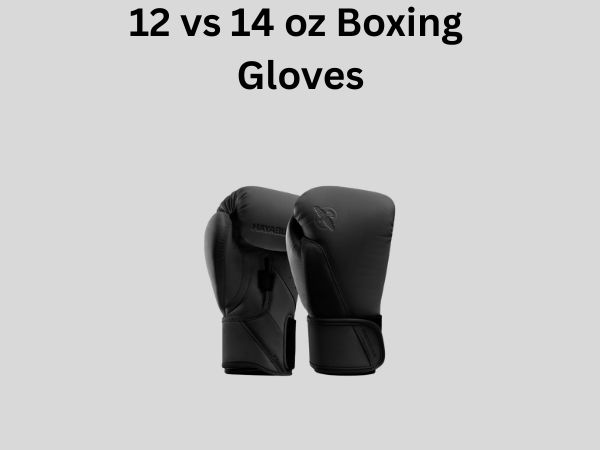
12 vs 14 oz Boxing Gloves: Which Is Right for You?
When you’re standing in front of a wall of boxing gloves at your local gym or scrolling through online retailers, you might feel a bit overwhelmed. The numbers seem straightforward enough—12 ounces or 14 ounces—but what do they really mean for your training? More importantly, which one should you actually choose?
I get it. Boxing gear selection isn’t as simple as picking a color you like. The weight of your gloves directly impacts your training effectiveness, hand health, and overall performance in the ring. Whether you’re a beginner just lacing up for the first time or someone looking to refine your equipment choices, understanding the differences between these two popular weights is crucial.
Let me walk you through everything you need to know about 12 oz versus 14 oz boxing gloves, so you can make an informed decision that aligns with your specific needs and goals.
Understanding Boxing Glove Weights and What They Mean
First things first: what exactly does “ounce” mean when we’re talking about boxing gloves? It’s not quite as straightforward as you might think. The ounce measurement refers to the total weight of one glove, and it’s standardized across most manufacturers in the boxing industry.
Think of glove weight like the cushioning on a mattress. A heavier glove means more padding, more protection, and more impact absorption. But here’s the thing—more isn’t always better. That extra cushioning comes with trade-offs, including reduced hand speed and increased hand fatigue during extended training sessions.
The ounce rating determines how much protective material surrounds your hands and knuckles. This directly affects how the force of your punches gets distributed and absorbed, which matters whether you’re hitting a heavy bag, working mitts with a partner, or sparring in the ring.
12 oz Boxing Gloves: Speed and Precision Meet Minimal Padding
Twelve-ounce gloves are the lighter option of our comparison, and they’re often called the “speed gloves” of the boxing world. If you’ve ever watched professional boxers compete, you’ve likely seen them wearing 12 oz gloves. There’s a reason for that.
The Main Advantages of 12 oz Gloves
When you slip on a pair of 12 oz gloves, the first thing you’ll notice is how responsive they feel. Your hands have a much snappier return to their starting position after each punch. This responsiveness translates directly into faster combinations and quicker reflexes during exchanges.
- Enhanced hand speed and punch velocity
- Better hand sensitivity and feedback from your punches
- Reduced hand and arm fatigue during longer training sessions
- More natural hand position and wrist alignment
- Improved technique development for precise striking
- Lighter overall load, making footwork easier
Lighter gloves also give you a better feel for your punches. When you’re landing strikes, you can actually sense the impact and adjust your technique more effectively. This sensory feedback is invaluable when you’re trying to perfect your form and develop consistency in your combinations.
The Challenges You’ll Face With 12 oz Gloves
Now, let’s be honest about the downsides. Lighter doesn’t automatically mean better, especially if protection is your primary concern.
- Less cushioning around the knuckles and hand area
- Reduced impact absorption for your hands and wrists
- Not ideal for beginners who haven’t developed proper technique
- Potentially greater risk of hand injuries with improper form
- Less padding means more “snap” when taking punches during sparring
If you’re new to boxing and still working on your fundamentals, 12 oz gloves might feel harsh. Your hands aren’t conditioned yet, and improper punch technique can lead to soreness or injury. The reduced padding also means your sparring partner will feel more of your punches, which requires a high level of control and responsibility on your part.
Who Should Choose 12 oz Gloves?
Experienced boxers, advanced athletes, and those with solid technique typically gravitate toward 12 oz gloves. Professional competitors almost exclusively use them for competition. If you’re someone who trains regularly and has developed proper punching mechanics, these gloves can significantly enhance your training quality and fight readiness.
14 oz Boxing Gloves: The Protective Powerhouse
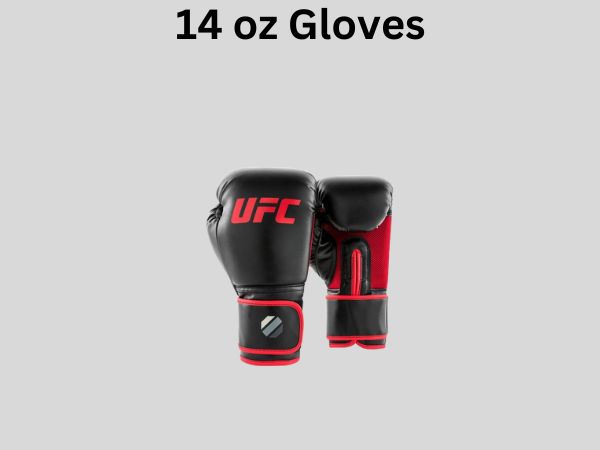
Fourteen-ounce gloves represent the heavier side of this comparison, and they’re designed with protection and safety as the primary focus. These gloves are thicker, more padded, and offer significantly more cushioning throughout the entire hand area.
The Main Advantages of 14 oz Gloves
When protection is what you’re after, 14 oz gloves deliver. The extra two ounces might not sound like much, but that additional weight translates into noticeably more padding and shock absorption.
- Superior protection for hands, knuckles, and wrists
- Excellent shock absorption when hitting heavy bags
- More forgiving for improper punching technique
- Better for beginners still developing proper form
- Safer option for sparring due to increased padding
- Reduced impact on training partners during sparring sessions
- Better long-term hand health and injury prevention
The extra padding in 14 oz gloves acts like a safety net. If you’re still perfecting your technique or you’re prone to wrist issues, this additional cushioning can make a real difference in how your hands feel after training. The impact gets spread out over a larger area, reducing the concentrated force on any one spot.
The Trade-offs of 14 oz Gloves
More padding means more weight to move around, and that comes with certain compromises to your training experience.
- Noticeably reduced hand speed compared to lighter gloves
- Greater hand and arm fatigue during extended sessions
- Less precise feedback from your punches
- Bulkier feel that can affect your hand positioning
- Slower punch combinations and reduced responsiveness
- Potential development of bad habits due to excessive protection
When you’re wearing heavier gloves, you might develop compensatory techniques because the gloves do more of the work for you. This can actually slow down your technical development if you’re not careful. The added weight fatigues your arms faster, which means your training volume might need adjustment.
Who Should Choose 14 oz Gloves?
Beginners absolutely benefit from 14 oz gloves. New boxers are still learning proper form, and the extra protection gives them confidence while minimizing injury risk. If you’re returning to boxing after time off, dealing with previous hand injuries, or simply prioritizing hand health over competitive advantage, 14 oz is probably your best bet.
Comparing the Two: A Direct Head-to-Head Analysis
Hand Speed and Responsiveness
This is where the differences become immediately apparent. With 12 oz gloves, your hands snap back faster, allowing for quicker combinations and improved hand velocity. Your punches travel to the target and return to your guard position more rapidly. With 14 oz gloves, everything feels slightly slower and more deliberate. If you’re focused on developing explosive hand speed, the lighter option wins this category.
Protection and Safety
Fourteen-ounce gloves provide superior protection, period. If injury prevention is your top priority, especially as a beginner or someone with hand concerns, the extra padding in 14 oz gloves is worth the trade-off in speed. Your hands will thank you after months of training.
Comfort During Training
Comfort is subjective, but generally, 12 oz gloves feel lighter and less restrictive once you’re properly conditioned. However, 14 oz gloves might feel more comfortable if you’re still building hand strength. Try both if you can before committing to a purchase.
Training Duration and Endurance
Can you maintain intensity for longer sessions? Twelve-ounce gloves typically allow longer training periods because they create less arm fatigue. If you’re doing extended heavy bag work or multiple rounds of sparring, lighter gloves help you maintain quality throughout your session.
Technique Development
Lighter gloves force you to develop better technique because you can’t rely on padding to absorb poor punching form. However, this makes them less forgiving for beginners. Fourteen-ounce gloves let you practice with a safety margin while you’re learning.
Specific Training Applications and Recommendations
Heavy Bag Training
For heavy bag work, both weights function adequately, but your choice depends on your goals. If you’re focused on developing power and speed, 12 oz is better. If you want to protect your hands during sustained bag work, 14 oz provides better shock absorption and reduces hand soreness the next day.
Mitt Work and Focus Pads
When working with a partner holding pads, 12 oz gloves let you work at higher speeds and with more precision. Your trainer can see your technique more clearly, and you can practice faster combinations. Fourteen-ounce gloves are still functional but feel heavier in this application.
Sparring Sessions
Here’s where the choice gets really important. During sparring, you’re exchanging punches with another person. Twelve-ounce gloves require significant control and experience because your partner will feel your shots more acutely. Most beginner and intermediate sparring partners appreciate 14 oz gloves because the extra padding makes the experience safer for both participants.
Competition Boxing
If you’re competitive boxing, 12 oz is the standard weight. Most amateur and professional organizations mandate specific weights depending on your weight class, and 12 oz is standard for most competitions. You’ll want to train with the weight you’ll compete with.
Considering Your Experience Level
Beginner Boxers
When you’re just starting out, your hands and wrists aren’t conditioned yet. Your technique is still developing, and you’re learning how to throw powerful punches without injuring yourself. Fourteen-ounce gloves give you a buffer while you build foundational skills. As you progress and your technique solidifies, you can transition to lighter gloves.
Intermediate Boxers
If you’ve been training for six months to a couple of years, you’re probably ready to consider the switch to 12 oz. Your hands are stronger, your technique is more consistent, and you can handle the reduced padding. This is the transition phase where many boxers experiment with both weights to see which feels right for their training goals.
Advanced and Competitive Boxers
Advanced athletes typically stick with 12 oz gloves for training that mimics competition conditions. However, some advanced boxers use 14 oz for certain training sessions focused on power development or to give their hands recovery days. The key is having the experience and hand conditioning to handle lighter gloves safely.
Hand Size and Personal Fit Matters Too
Here’s something many people overlook: your hand size affects which weight feels right. Someone with smaller hands might find 14 oz gloves feel disproportionately heavy because the padding takes up more relative space in the glove. Conversely, someone with larger hands might find 12 oz gloves fit too snugly.
Always try gloves on if possible before purchasing. Your hands should fit snugly but comfortably, with your fingers able to form a proper fist. The padding should feel secure around your knuckles without excessive compression.
Budget Considerations and Value
Pricing between 12 oz and 14 oz gloves is typically comparable, so budget usually isn’t the deciding factor. Both weights are widely available from budget-friendly to premium brands. What matters more is choosing quality gloves at any weight rather than worrying about the ounce difference affecting price significantly.
Wrist Support and Hand Health
The relationship between glove weight and wrist support is worth discussing. Heavier gloves don’t automatically mean better wrist support—that depends more on the internal structure and hand wrapping technique. However, the extra cushioning in 14 oz gloves does provide better shock absorption, which indirectly helps protect your wrists from impact injuries.
Regardless of which weight you choose, always wrap your hands properly. Good hand wraps provide structure and support that no glove weight can replace. This is non-negotiable for anyone serious about hand health.
Making Your Final Decision: A Practical Framework
By now, you’re probably wondering which one is actually right for you. Let me give you a simple framework to think through:
- Choose 14 oz if you’re a beginner, prioritize protection, have previous hand injuries, or value hand health above all else
- Choose 12 oz if you have solid technique, train regularly, want maximum hand speed, or are preparing for competition
- Consider having both if you can afford it—use 14 oz for certain training sessions and 12 oz for others
The “best” glove weight ultimately depends on your individual situation. There’s no universal right answer because different boxers have different needs, goals, and constraints.
Pro Tips for Getting the Most Out of Your Gloves
Regardless of which weight you choose, implement these practices to maximize your investment:
- Invest in quality hand wraps and learn proper wrapping technique
- Allow your gloves to dry completely after each use to extend their lifespan
- Rotate between different pairs if possible to prevent excessive wear
- Punch with proper form—this matters more than glove weight for hand health
- Listen to your body and adjust if you experience pain or discomfort
- Don’t rush into lighter gloves; let your hands condition gradually
Conclusion
The choice between 12 oz and 14 oz boxing gloves isn’t about finding the objectively “best” option. Instead, it’s about finding the right choice for where you are in your boxing journey. Beginners benefit from the extra protection of 14 oz gloves while they’re developing technique and hand conditioning. Experienced boxers typically prefer 12 oz for the speed and feedback they provide.
If you’re still uncertain, start with 14 oz gloves. The extra protection gives you confidence while learning, and you can always transition to 12 oz as your skills improve. Your hands will tell you when they’re ready for less padding.
Remember that glove weight is just one factor in your overall boxing equipment setup. Proper hand wrapping, appropriate training structure, and attention to form matter far more than whether you’re using 12 or 14 oz gloves. Focus on these fundamentals, and let your experience guide you toward the weight that feels right for your training.
Frequently Asked Questions
Are 12 oz or 14 oz gloves better for beginners?
Fourteen-ounce gloves are generally better for beginners. The extra padding provides more protection while you’re still learning proper technique, and it’s more forgiving if your form isn’t perfect yet. As your skills develop over several months of training, you can transition to 12 oz gloves if desired.