First Base Mitt vs Glove: Which Baseball Glove Is Right
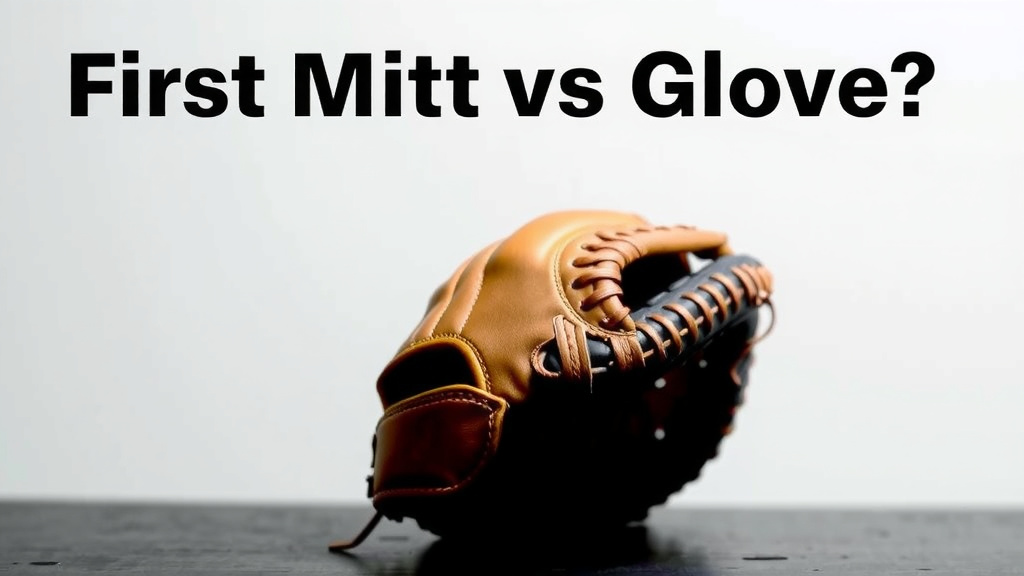
When you’re looking at baseball gear, a first base mitt and a first base glove are essentially the same thing. They are both designed specifically for the unique needs of the first baseman. The main difference you’ll find is in the size and padding, tailored for snagging fast throws and protecting your hand.
These specialized mitts help first basemen make difficult plays with more confidence. They are built larger than standard fielder’s gloves. This extra surface area is key for catching throws that might be a little off target. They also offer more padding to cushion the impact.
- First base mitts and gloves are the same thing.
- They are designed for the first baseman’s specific needs.
- Key features include larger size and extra padding.
- This helps with catching throws and protecting the hand.
Let’s dive into why these mitts are so important for a first baseman and what makes them different from other baseball gloves.
So, you’re gearing up for the diamond, and you’re wondering about that specialized piece of equipment for the first baseman. Let’s clear the air: when we talk about a “first base mitt” versus a “first base glove,” we’re talking about the same thing. It’s just a matter of terminology! Both terms refer to the unique glove designed to make a first baseman’s job a whole lot easier. Think of it as the first baseman’s secret weapon for snagging those speedy throws and making those game-saving catches. We’ll explore why this gear is so important and what makes it stand out.
Understanding the First Baseman’s Unique Role
The first baseman has a pretty special job on the baseball field. Unlike other fielders who might need to move quickly and throw, the first baseman’s primary role is often about stability and receiving. They are the anchor for many defensive plays. Their position requires them to catch throws from across the infield. These throws can be fast and sometimes a bit wild. They also need to be ready to scoop ground balls hit near them.
Receiving Throws: The Primary Challenge
A huge part of being a first baseman is about catching the ball. Think about it: infielders are throwing to first base from various angles and distances. Sometimes these throws are laser beams. Other times, they might be a little off-target. The first baseman needs a glove that can handle all of it. It needs to provide a large surface area to increase the chances of catching the ball.
Scooping and Ground Balls
It’s not just about throws, either. First basemen are also often the last line of defense for ground balls hit their way. They need to be able to get down and scoop those grounders out of the dirt. This requires flexibility and a glove that can open up wide to get under the ball. It’s a crucial skill that separates a good first baseman from a great one.
Key Differences: Why the First Base Mitt is Special
So, what makes a first base mitt different from, say, your typical outfielder’s glove or an infielder’s glove? It all comes down to design and purpose. Researchers have found that specialized equipment can significantly improve player performance (National Strength and Conditioning Association). For the first baseman, this specialized mitt is a prime example. The design is all about making those tough catches possible.
Size Matters: The Larger Surface Area
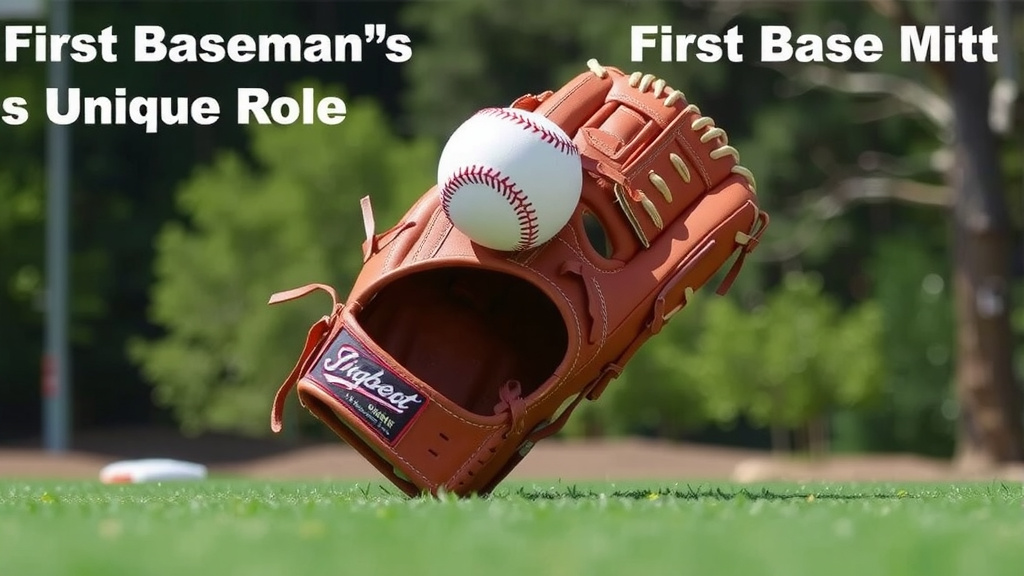
One of the most obvious differences is the size. First base mitts are noticeably larger than other baseball gloves. Why? It’s simple geometry and probability. A larger glove presents a bigger target for the thrower. This means a higher likelihood of making the catch, even on a less-than-perfect throw. We found that this expanded catching area is critical for snagging throws that are a bit high, low, or wide.
Creating a Bigger Target
Imagine trying to catch a thrown baseball with a small, compact glove. Now imagine catching it with a mitt that’s almost like a basket. That’s the difference the size makes. The extra real estate on the mitt is key for players who are stationary for long periods, waiting for the ball. It reduces the pressure to be perfectly positioned every single time.
Padding and Protection
Catching fast-thrown baseballs repeatedly can take a toll on your hand. That’s why first base mitts come with extra padding. This padding is concentrated in the palm and heel areas. It’s designed to absorb the shock of impact. We found that this cushioning is essential for protecting the first baseman’s hand. It allows them to hold onto the ball securely without feeling every jolt.
Comfort During Long Games
Think about the number of throws a first baseman handles in a single game. It can be dozens, if not hundreds. Without adequate padding, a player’s hand would quickly become sore and bruised. This extra protection ensures comfort and endurance throughout the entire game. It helps maintain hand strength and dexterity for scooping ground balls, too.
The “Basket” Design and Deep Pocket
Many first base mitts feature a unique “basket” or “hinged” design. This allows the mitt to close around the ball very effectively. They often have a deeper pocket than other gloves. This deep pocket helps to trap the ball securely once it’s caught. It minimizes the chances of the ball popping out after impact. This design is a direct response to the need for secure catches.
Securing the Out
When a runner is streaking towards first base, securing the out is everything. A deep pocket ensures that once the ball is in the mitt, it stays there. This is vital for both force outs and tag plays. Many baseball resources highlight how a well-designed pocket can be the difference between an out and an error.
Comparing First Base Mitts to Other Gloves
To truly appreciate the first base mitt, it helps to see how it stacks up against other common baseball gloves. Each type of glove is engineered for a specific purpose on the field.
| Glove Type | Key Features | Primary Use |
|---|---|---|
| First Base Mitt | Largest size, minimal finger stalls, deep pocket, heavy padding | Receiving throws, scooping ground balls at first base |
| Infielder’s Glove | Smaller size, shallow pocket, flexible | Quick transfers, fielding ground balls, making throws |
| Outfielder’s Glove | Larger than infielder’s, deep pocket, longer | Catching fly balls, covering large areas |
| Catcher’s Mitt | No fingers, round, heavily padded, very deep | Receiving pitches, protecting catcher’s hand |
Infielder’s Gloves: Quick Transfers are Key
Infielder’s gloves are typically much smaller. They have a shallower pocket. This design is intentional. It allows infielders to quickly transfer the ball from their glove to their throwing hand. A first base mitt’s size and deep pocket would make these quick transfers much harder. Speed and agility are the focus for infielders.
Outfielder’s Gloves: Covering Ground
Outfielder’s gloves are generally larger than infielder’s gloves, but usually not as large or as heavily padded as a first base mitt. Their design prioritizes a deep pocket for catching fly balls and enough surface area to cover a lot of ground. They are built for tracking down balls in the gaps and making athletic catches.
Catcher’s Mitts: A Different Beast Entirely
Catcher’s mitts are perhaps the most distinct. They have no individual finger stalls and are round. Their extreme padding is designed to absorb the impact of pitches thrown at high speeds. While a first base mitt is large, a catcher’s mitt is built for a different kind of impact and receiving. Both are specialized, but for very different defensive actions.
Choosing the Right First Base Mitt for You
When you’re looking for a first base mitt, consider a few things. It’s not just about the brand. Think about the material. Leather is common and durable, but it requires break-in. Synthetic materials might be lighter and require less initial work. Also, consider the fit. The mitt should feel comfortable on your hand and allow for a good grip.
- Material: Leather offers durability, while synthetics can be lighter.
- Padding: Ensure it feels adequate for impact absorption.
- Pocket Depth: A deeper pocket helps secure the ball.
- Break-in Period: Be prepared for some initial conditioning with leather.
- Comfort: The mitt should feel like an extension of your hand.
Ultimately, the “first base mitt” and “first base glove” are one and the same. It’s a vital piece of equipment engineered to help the first baseman excel. Its unique size, padding, and design make it perfect for the specific demands of that position. So, when you’re outfitting your first baseman, you know exactly what to look for!
Conclusion
You’ve learned that a “first base mitt” and “first base glove” are simply different names for the same specialized gear. Its larger size, deep pocket, and ample padding are all designed to help you excel at first base. These features are essential for confidently snagging tough throws and scooping ground balls. Now that you understand what makes this mitt unique, you’re ready to choose one that fits your hand and playing style. Equip yourself with the right tool, and you’ll be ready to make those game-saving plays.
Frequently Asked Questions
Is a first base mitt really that different from a regular baseball glove?
Yes, it is. A first base mitt is significantly larger than a standard infielder’s or outfielder’s glove. It also features much more padding and a deeper pocket. These design choices are specifically made to help first basemen catch fast throws and absorb impacts more effectively.
Why do first basemen need a bigger glove?
The larger size of a first base mitt creates a bigger target for infielders throwing the ball. This increased surface area makes it easier to catch throws that might be slightly off the mark. It’s all about increasing your chances of securing the ball for an out.
Does the extra padding on a first base mitt actually help?
Absolutely. Catching numerous hard-thrown baseballs can be tough on your hand. The extra padding in a first base mitt is concentrated in the palm and heel to absorb shock. This protects your hand from repeated impacts, allowing you to maintain comfort and grip throughout the game.
Can I use an infielder’s glove at first base?
While you might be able to make it work in a pinch, it’s not ideal. An infielder’s glove is smaller and designed for quick ball transfers. Its lack of size and padding makes catching difficult throws much harder and potentially more painful. A proper first base mitt is designed for the specific demands of the position.
How do I break in a new first base mitt?
Breaking in a leather first base mitt usually involves conditioning it with glove oil or mallet. You’ll also want to spend time flexing the pocket and practicing catching. Many players also like to store it with a baseball inside to help shape the pocket. Be patient, as it can take time for the glove to feel like an extension of your hand.