Glove Oil vs Glove Conditioner: Which is Right for You
When deciding between glove oil and glove conditioner, think of it this way: glove oil is for deep conditioning and protection, while glove conditioner is for surface touch-ups and quick breaks. You’ll use oil for a more thorough treatment to keep your glove supple and long-lasting, especially with leather gloves.
We found that both products aim to keep your glove in great shape. However, their application and intended use are quite different. Understanding this distinction helps you pick the right product to avoid making your glove too greasy or stiff, ensuring it performs its best when you need it most.
- Glove oil offers deep conditioning and protection.
- Glove conditioner is for quick surface treatments.
- Oil is best for a thorough, longer-lasting treatment.
- Conditioner is good for regular, light maintenance.
- Choose based on your glove’s current condition and needs.
Let’s break down the differences between glove oil and glove conditioner so you can choose the perfect product for your favorite glove.
Understanding the Difference Between Glove Oil and Glove Conditioner
Deciding between glove oil and glove conditioner might seem small. But choosing the right one keeps your glove in top shape. We looked into what makes each product unique. You’ll find they serve different purposes for your baseball or softball glove.
What is Glove Oil and How Does It Work?
Glove oil is designed for a deep conditioning treatment. Think of it like a deep-tissue massage for your glove’s leather. It penetrates the leather to restore moisture. This helps prevent the leather from drying out and cracking. Many oils contain ingredients that also offer a protective barrier.
The Purpose of Glove Oil
The main goal of glove oil is to soften stiff leather. New gloves often feel rigid. Oil helps break them in more quickly. It also keeps older gloves feeling supple and flexible. This is important for making good plays. Dry leather can become brittle and prone to damage. Oil combats this dryness.
How to Use Glove Oil Effectively
Using oil requires a bit of patience. You apply it sparingly. Then, you work it into the leather. After applying, you often let it sit. This allows the oil to soak in. We found that over-applying can make your glove too heavy or greasy. This can affect its feel and performance.
When is Glove Oil the Best Choice?
Glove oil is ideal for breaking in new gloves. It’s also a lifesaver for gloves that feel dry or stiff. If your glove has been stored for a long time, oil can rehydrate it. It’s for a more intense treatment. You wouldn’t typically use it every day. It’s more of an occasional deep-care product.
What is Glove Conditioner and When to Use It
Glove conditioner works more on the surface. It’s like a moisturizer for your skin. Conditioner adds a protective layer. It also helps maintain the glove’s finish. It’s not meant for deep penetration like oil.
The Role of Glove Conditioner
Conditioner’s primary job is surface maintenance. It cleans away light dirt and grime. It also adds a bit of sheen. This helps keep the glove looking good. It can make the leather feel smoother to the touch. Many conditioners have ingredients that help repel water.
Application of Glove Conditioner
Conditioner is usually applied with a soft cloth. You wipe it on in a thin, even layer. It doesn’t typically require a long waiting period. You can often wipe off any excess quickly. This makes it a convenient product for quick touch-ups.
When Glove Conditioner Shines
Conditioner is perfect for regular, light upkeep. Use it after a game or practice to wipe down your glove. It’s great for maintaining the condition of a glove that’s already broken in. If your glove feels a little dry on the surface, a light application can help. It prevents minor issues from becoming bigger problems.
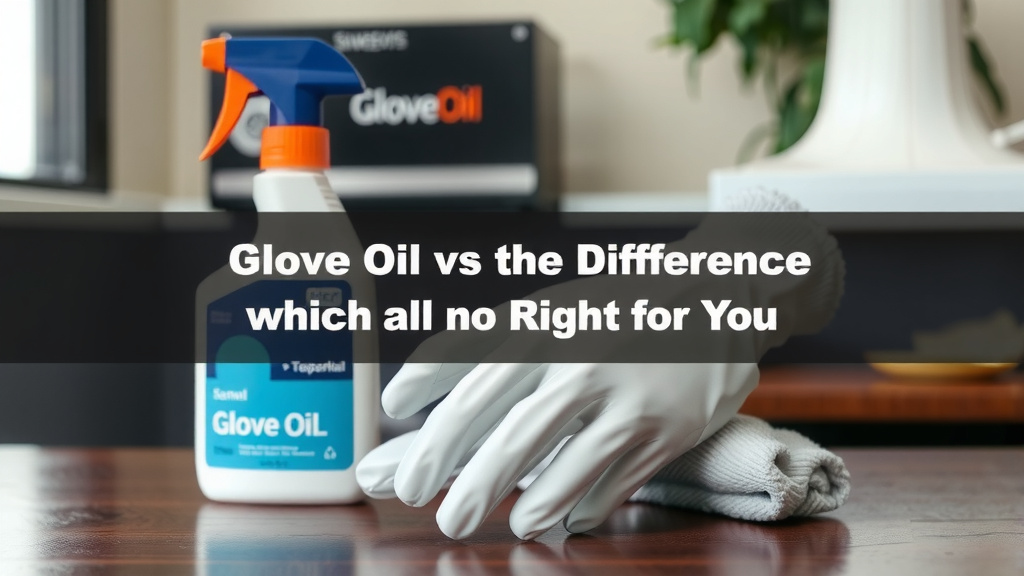
Comparing Glove Oil and Glove Conditioner: Key Differences
The core difference lies in their penetration and purpose. Oil goes deeper to soften and condition. Conditioner stays more on the surface to protect and clean. Both aim to preserve your glove, but they do it in distinct ways. We’ve summarized the main points below.
| Feature | Glove Oil | Glove Conditioner |
|---|---|---|
| Primary Function | Deep conditioning, softening stiff leather | Surface cleaning, protection, light conditioning |
| Penetration Level | Deep | Surface |
| Best For | Breaking in new gloves, rehydrating dry gloves | Regular maintenance, light cleaning, maintaining feel |
| Application Frequency | Occasional (e.g., before season, after long storage) | Regular (e.g., after games/practices) |
| Risk of Over-application | Can make glove heavy, greasy, or too soft | Less risk, but can leave a residue if too much is used |
Choosing the Right Product for Your Glove’s Needs
Your glove’s current condition is the biggest factor. Is it stiff and new? Does it feel dry and hard? If so, you likely need glove oil for a deeper treatment. Is your glove already broken in? Does it just need a quick clean after use? Then, glove conditioner is probably your better option.
Assessing Your Glove’s Condition
Feel your glove. Does the leather bend easily? Or does it resist? Look at it. Are there any dry spots or cracks? These are signs it needs more than just a surface clean. Many players find they need both products over time. They use oil for periodic deep care and conditioner for daily upkeep.
A Simple Checklist for Glove Care
To help you decide, ask yourself these questions:
- Is my glove brand new and very stiff?
- Does my glove feel dry or hard to close?
- Has my glove been stored away for a long time?
- Do I just need to wipe off dirt after playing?
- Is my glove already soft and playable, but needs protection?
Answering “yes” to the first three likely means you need glove oil. Answering “yes” to the last two suggests glove conditioner is more appropriate.
Conclusion
You now understand that glove oil and glove conditioner serve distinct roles in keeping your baseball or softball glove in top form. Think of oil for deep conditioning and breaking in new gloves, while conditioner is your go-to for regular maintenance and surface protection. By choosing the right product for your glove’s specific needs, you’ll extend its life and improve its performance. So, assess your glove’s feel and appearance, and then select the treatment that will help it perform its best on the field. Your glove will thank you for it!
Frequently Asked Questions
Can I use regular leather conditioner on my baseball glove?
It’s generally best to stick with products specifically designed for baseball gloves. While regular leather conditioners might seem similar, they can sometimes contain ingredients that are too harsh or too oily for glove leather. Glove-specific products are formulated to safely condition and protect your glove.
How often should I apply glove oil versus conditioner?
You should apply glove oil less frequently, perhaps before the season starts or if your glove feels particularly dry and stiff. Glove conditioner can be used more regularly, like after practices or games, to keep the surface clean and protected. Regular light conditioning prevents small issues from becoming big problems.
Will glove oil make my glove too heavy or greasy?
Yes, over-applying glove oil can definitely make your glove feel heavy and greasy. This is why it’s important to use it sparingly and work it into the leather well. A little oil goes a long way, and it should absorb without leaving a slick residue.
Is it possible to use both glove oil and conditioner on the same glove?
Absolutely! Many players use both products to maintain their gloves. You might use glove oil for a deep conditioning treatment a few times a year, and then use glove conditioner for light upkeep after each use. This combination ensures your glove is both well-conditioned internally and protected externally.
How do I know if my glove needs oil or just a wipe-down?
If your glove feels stiff, hard to close, or shows signs of dryness like cracking, it likely needs glove oil for deep conditioning. If it just has some dirt or dust on it from playing and the leather still feels relatively supple, a quick wipe-down with glove conditioner is probably sufficient.