3 Mil vs 5 Mil Gloves: Which to Use?
Choosing between 3 mil and 5 mil gloves depends on your specific needs. Generally, 5 mil gloves offer superior protection and durability for tougher jobs. They are better suited for tasks with a higher risk of punctures or tears.
The mil measurement refers to the thickness of the glove material. Thicker gloves mean more resilience. We found that for everyday use, 3 mil gloves are often sufficient. But for heavy-duty applications, stepping up to 5 mil is a wise choice.
- 3 mil gloves: thinner, more dexterous, good for light tasks.
- 5 mil gloves: thicker, more durable, better for tougher jobs.
- Thickness directly impacts puncture resistance.
- Your activity dictates the best mil thickness for you.
Let’s break down the differences between 3 mil and 5 mil gloves so you can pick the perfect pair for your next task.
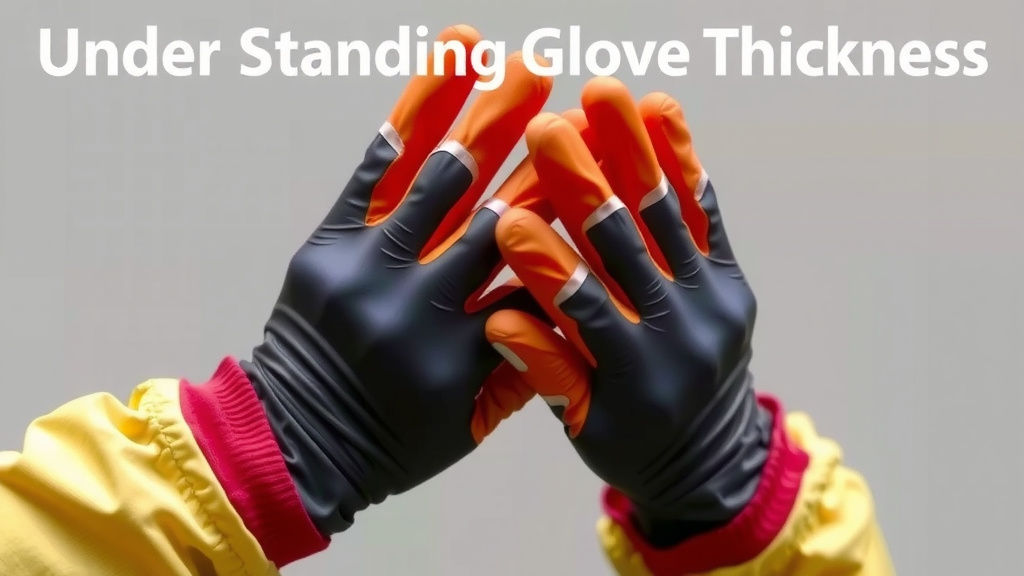
“`htmlUnderstanding Glove Thickness: Mil vs. Your Task
When you’re looking for disposable gloves, you’ll often see them measured in “mils.” But what exactly does that mean for you? A mil is simply one-thousandth of an inch. So, a 3 mil glove is 0.003 inches thick, and a 5 mil glove is 0.005 inches thick. This difference might seem small, but it makes a big difference in performance.
The core idea is simple: **thicker gloves generally offer more protection**. Think of it like wearing a thin t-shirt versus a thicker sweater. The sweater will keep you warmer and might offer a bit more protection from minor bumps. In the same way, a 5 mil glove provides a stronger barrier against chemicals, punctures, and tears than a 3 mil glove.
Why Glove Thickness Matters So Much
The primary role of a disposable glove is to protect your hands. This protection comes in two main forms: barrier protection and physical protection. Barrier protection keeps unwanted substances away from your skin. Physical protection helps prevent your hands from getting cut, scraped, or poked.
Research shows that glove thickness directly impacts its ability to withstand punctures and tears. A thicker glove has more material to resist these forces before breaking. This is why choosing the right thickness is about more than just preference; it’s about **ensuring the glove does its job effectively** for the task at hand.
When to Reach for 3 Mil Gloves
So, you might be wondering, “When are 3 mil gloves the right choice for me?” These gloves are your go-to for tasks where dexterity and a sensitive touch are key. They are thinner, allowing your hands to move more freely and feel textures better.
Everyday and Light-Duty Tasks
For jobs that don’t involve harsh chemicals or sharp objects, 3 mil gloves are often perfectly sufficient. Think about tasks like:
- Food preparation and handling
- Light cleaning around the house
- Simple, quick medical examinations
- Applying hair dye or performing other beauty treatments
- Working with electronics or crafts
Many medical professionals, for instance, use 3 mil gloves for routine check-ups. They need to feel subtle details, like a patient’s pulse, without the glove hindering them. We found that in these scenarios, the **balance of protection and tactile feel** is excellent with 3 mil.
The Advantages of 3 Mil
One of the main benefits of 3 mil gloves is their **affordability**. Because they use less material, they are generally less expensive. This can add up if you use gloves frequently for less demanding tasks.
Another plus is their **superior tactile sensitivity**. If you need to pick up small items, feel the texture of a surface, or perform very precise work, the thinness of a 3 mil glove can be a real advantage. It’s like working with your bare hands, but with a protective layer.
When 5 Mil Gloves Become Your Best Friend
Now, let’s talk about when you should definitely step up to 5 mil gloves. These gloves offer a more robust level of protection. They are the choice when your work involves more risk to your hands.
Handling Chemicals and Hazardous Materials
When you’re dealing with cleaning chemicals, solvents, or other potentially hazardous substances, a thicker glove is essential. A 5 mil glove provides a **better barrier against chemical permeation**. While no disposable glove is impervious to all chemicals forever, a thicker glove buys you more time before a chemical can pass through.
For example, if you’re using strong degreasers or handling certain industrial cleaning agents, the added thickness of a 5 mil glove offers peace of mind. Many safety guidelines recommend thicker gloves when there’s a potential for prolonged contact with chemicals (CDC). You don’t want to risk skin irritation or worse.
Protection Against Punctures and Tears
Are you working with tools that could slip? Dealing with rough materials? Or perhaps handling specimens that might have sharp edges? This is where 5 mil gloves shine. Their increased thickness gives them **superior resistance to punctures and tears**.
Think about a mechanic working on an engine or a gardener handling thorny plants. A small sharp object that might easily rip through a 3 mil glove will likely be stopped by a 5 mil glove. We found that for jobs with any risk of sharps, upgrading to 5 mil is a smart decision to avoid accidental exposure.
When 5 Mil is the Safer Bet
Consider these scenarios where 5 mil gloves are the preferred option:
- Auto mechanics and repair work
- Janitorial services with strong chemicals
- Veterinary care and animal handling
- tattoo artists and piercing professionals
- Handling potentially contaminated materials
In these situations, the **added durability and protection** are well worth the slightly higher cost. It’s about investing in your safety and the integrity of the barrier.
Comparing 3 Mil and 5 Mil Gloves Side-by-Side
Let’s lay it out clearly. The choice often comes down to the specific demands of your activity. Here’s a quick comparison to help you decide.
| Feature | 3 Mil Gloves | 5 Mil Gloves |
|---|---|---|
| Thickness | Thinner (0.003 inches) | Thicker (0.005 inches) |
| Dexterity & Feel | Higher tactile sensitivity, more flexible | Slightly less sensitive, more rigid |
| Puncture Resistance | Lower | Higher |
| Chemical Resistance | Good for light chemicals/short contact | Better for stronger chemicals/longer contact |
| Durability | Less durable against tears | More durable against tears |
| Cost | Generally lower | Generally higher |
| Best For | Light tasks, food prep, beauty, electronics | Heavy-duty, chemical handling, sharps, mechanics |
As you can see, the table highlights the trade-offs. You gain **protection and durability with 5 mil**, but you might sacrifice a bit of that fine motor control you get with 3 mil. It’s all about finding that sweet spot for your needs.
Making Your Final Glove Decision: A Checklist
Still not sure which way to go? Ask yourself these quick questions. Your answers will guide you to the right choice.
- Will I be working with **sharp objects** or rough materials?
- Am I handling any **strong cleaning chemicals** or solvents?
- Do I need to maintain a very **high level of tactile sensitivity**?
- Is **cost** a primary factor for frequent, low-risk use?
- What is the **duration of my task** and potential exposure?
- What are the **safety recommendations** for the specific chemicals or materials I’m using?
By considering these points, you can confidently select the 3 mil or 5 mil gloves that will best protect you and help you get the job done right.
“`Conclusion
You’ve learned that the choice between 3 mil and 5 mil gloves really comes down to your specific job. For tasks requiring a delicate touch and maximum dexterity, like food prep or light cleaning, 3 mil gloves are often your best bet. They offer good protection without sacrificing feel. But when you’re facing tougher jobs, potential chemical exposure, or the risk of sharp objects, stepping up to the durability and enhanced barrier of 5 mil gloves is a smart move. Consider your activity, the materials you’ll handle, and the duration of your task to make the right selection.
Now that you know the differences, you’re ready to pick the perfect gloves for your next project. Stay safe and protected!
Frequently Asked Questions
Can I use 3 mil gloves for handling basic cleaning supplies?
For most common household cleaners and short contact times, 3 mil gloves can provide adequate protection. However, if you’re using harsh chemicals like strong bleach or solvents, or if your contact will be prolonged, 5 mil gloves offer a much better barrier and are recommended.
Are 5 mil gloves too thick for detailed work like electronics repair?
While 5 mil gloves are thicker and slightly reduce tactile sensitivity compared to 3 mil, they are still very usable for many detailed tasks. For extremely fine motor work where every sensation matters, you might prefer 3 mil, but 5 mil often provides sufficient dexterity for most electronic repairs.
How often should I replace disposable gloves, regardless of mil thickness?
You should replace disposable gloves immediately if you notice any signs of wear, such as tears or holes. It’s also good practice to change them between different tasks or clients to prevent cross-contamination, even if they appear intact.
Will 5 mil gloves protect me from all chemicals?
No disposable glove, whether 3 mil or 5 mil, offers universal chemical protection. While 5 mil gloves provide a better and longer-lasting barrier against many chemicals, their resistance varies depending on the specific substance. Always check the chemical resistance charts for the specific glove material and chemical you are using.
Is there a difference in material (like nitrile, latex, vinyl) when comparing mil thickness?
Yes, mil thickness is a measurement of the material’s thickness, but the material itself (nitrile, latex, vinyl, etc.) dictates other properties like chemical resistance and elasticity. You can find gloves in both 3 mil and 5 mil in different materials, so consider both the thickness and the material composition for your needs.