How to Use a Glove Mallet: A Beginner’s Guide
The easiest way to use a glove mallet is to gently but firmly strike the pocket area of your baseball or softball glove. This helps break in new leather and shape it perfectly for catching. Think of it as a helping hand for your glove’s debut.
A glove mallet is a simple yet effective tool. It’s designed to help you achieve that perfect glove shape faster. Using it correctly can save you hours of manual breaking-in. Many players find it essential for performance.
- Glove mallets help shape new gloves.
- Strike the pocket area gently.
- Use it consistently for best results.
- It speeds up the breaking-in process.
- The goal is a perfectly formed pocket.
Let’s walk through exactly how to use your glove mallet step by step to get your glove game-ready.
Making Your New Glove Feel Like Home: Using a Glove Mallet
You’ve got a brand new glove, and it’s stiff, a little awkward, and definitely not ready for that game-winning catch. What’s the secret to transforming that stiff leather into a perfectly molded catching machine? Your glove mallet is the answer, and using it correctly is simpler than you think. We’re here to guide you through every gentle tap and firm squeeze to get your glove game-ready.
Think of your glove mallet as your glove’s personal trainer. It helps build muscle memory in the leather, much like you build it in your own body. The goal is to create a deep, reliable pocket without damaging the material. You want a glove that fits like an extension of your hand, and this tool is key to achieving that.
What Exactly Is a Glove Mallet?
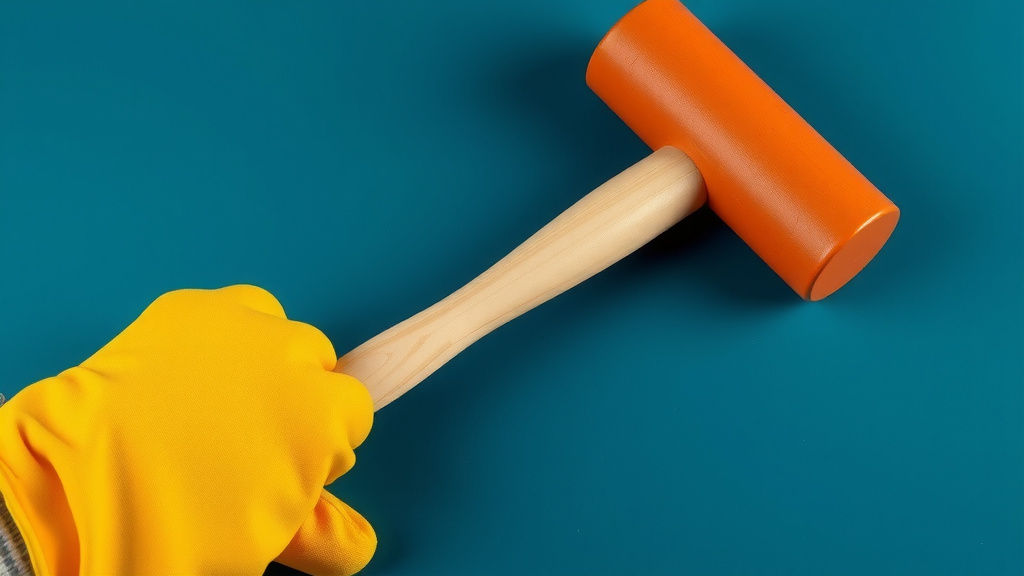
At its core, a glove mallet is designed to mimic the repeated action of catching a ball. It typically has a soft, padded head, often made of leather or dense foam. This prevents it from damaging the glove’s material. Some models might have slightly different shapes or weights, but their primary function remains the same: to help shape and break in your glove.
We found that the consistency of a mallet is its real superpower. Unlike the random nature of catching balls, a mallet allows you to apply targeted pressure to the areas that need it most. This controlled conditioning is what makes the breaking-in process so much more effective and faster.
Getting Started: The Right Way to Hold and Strike
Before you even pick up the mallet, take a moment to examine your glove. Identify the pocket area – this is the sweet spot where the ball will land. It’s usually the deepest part of the glove, between the thumb and index finger, or in the palm itself depending on the glove type.
Grip and Posture for Success
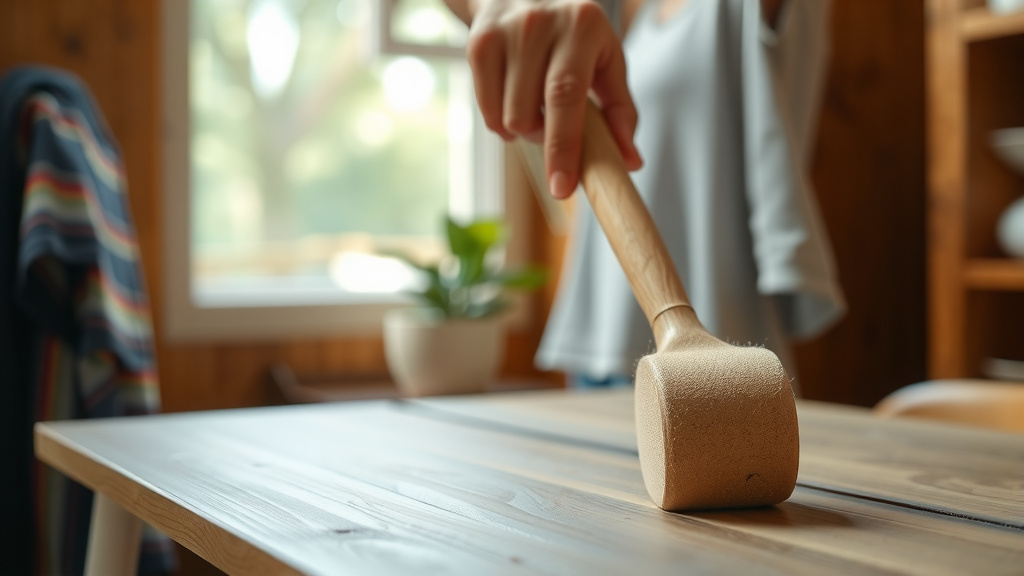
Hold the mallet firmly but not too tightly. You don’t need to white-knuckle it! A relaxed grip allows for better control. Stand or sit in a comfortable position where you can easily reach your glove without straining. Many players find it helpful to place the glove on a flat surface, like a table or their lap, for stability.
The Gentle Tapping Technique
The most crucial aspect is the force you use. You want to be firm enough to make an impression but gentle enough not to tear or damage the leather. Imagine you’re lightly tapping to get someone’s attention, not trying to hammer a nail. Start with lighter taps and gradually increase pressure as you get a feel for the leather’s response.
Targeting the Pocket for Perfect Shape
This is where the magic happens. Focus your mallet strikes directly on the pocket area. You’re essentially training the leather to form a deep, C-shaped cradle for the ball.
Creating a Deep Pocket
Apply the mallet to the center of the pocket. You can tap from the inside of the glove, where your hand would go, or from the outside. Many experts suggest tapping both sides to encourage even shaping. Rotate the glove and tap different parts of the pocket area. This ensures you’re not creating any awkward folds or creases.
The Fold and Squeeze Method
After tapping, fold the glove in half along its hinge, as if you were closing it. Use the mallet to tap the folded edges together. Then, really put some muscle into squeezing the glove shut. Hold it for a few seconds, then release. This action reinforces the shape you’re creating. Repeat this fold, tap, and squeeze motion several times.
How Often and How Long Should You Use It?
Consistency is your best friend here. Breaking in a glove isn’t usually a one-and-done task. It’s more of a process. Think of it like building a habit.
Daily Sessions for Best Results
We found that short, frequent sessions are far more effective than one long, grueling one. Aim for 5-10 minutes of mallet work every day, or at least several times a week. This allows the leather to gradually adjust without becoming overworked or damaged.
Knowing When Enough is Enough
You’ll know your glove is starting to feel right when it closes more easily and the pocket feels softer and more defined. It should feel snug but not tight. Don’t overdo it! If the leather starts to feel excessively soft, stretched, or even damp from oils (if you’re using conditioner), take a break. It’s a marathon, not a sprint.
Beyond the Mallet: Complementary Techniques
While the mallet is a fantastic tool, it works best when combined with other methods. Think of it as part of a team.
Glove Oil and Conditioners
Many players use glove oils or conditioners to help soften the leather and keep it supple. Research suggests that applying a small amount of high-quality glove oil can speed up the breaking-in process. Apply it sparingly, work it into the leather, and then follow up with your mallet work. Let the oil soak in for a few hours or overnight before using the mallet again.
The Power of Catching Practice
Nothing beats actual catching. Once your glove starts to feel a bit more broken in, use it for practice catches. Catching soft-toss or even just throwing a ball into the pocket repeatedly helps mold the glove to your hand naturally. The mallet can help you get to this stage faster.
Troubleshooting Common Glove Mallet Issues
Even with the best intentions, you might run into a few bumps along the road. Don’t worry, these are usually easy to fix.
When the Leather Feels Too Stiff
If after a few sessions, your glove still feels as stiff as a board, you might need to apply a bit more glove oil or conditioner. Allow it to soak in thoroughly before returning to mallet use. You might also need to increase the gentle tapping slightly, focusing on different angles of the pocket.
Over-Softening or Damaging the Glove
This is where you need to be most careful. If you’re hitting too hard or too often, you risk thinning out the leather or creating weak spots. Always start gently. If you’re using conditioner, apply it in thin layers. Remember, the goal is to shape, not to break down the material. Many glove manufacturers recommend a light application of conditioner and consistent, moderate mallet use.
Your Glove Mallet Checklist
Ready to put it all into practice? Here’s a quick rundown to keep you on track:
- Inspect your glove: Locate the pocket area.
- Grip the mallet: Hold it comfortably and firmly.
- Tap gently: Start with light, controlled strikes on the pocket.
- Fold and squeeze: Reinforce the shape by closing the glove.
- Be consistent: Short, regular sessions are key.
- Listen to your glove: Avoid overworking the leather.
Conclusion
You’ve now learned the essential steps to effectively use your glove mallet. Remember, the key is gentle, consistent tapping on the pocket area. This method helps shape your glove perfectly without causing damage. Your new glove will soon feel like a natural extension of your hand, ready for any play. Now, go ahead and start shaping your glove – you’ve got this!
Frequently Asked Questions
Can I use a regular hammer instead of a glove mallet?
No, you should not use a regular hammer. Regular hammers are too hard and can easily damage the leather, creating tears or weak spots. A glove mallet is specifically designed with a soft, padded head to protect your glove’s material while shaping it.
Is it okay to use glove oil AND a mallet at the same time?
Yes, using glove oil with your mallet can be very effective. Apply a small amount of oil to soften the leather, let it soak in, and then use the mallet. This combination helps the leather become more pliable and receptive to shaping.
How long does it typically take to break in a glove with a mallet?
The time it takes varies depending on the glove’s leather and how often you use the mallet. Consistent use for 5-10 minutes daily over a week or two is a good starting point. You’ll feel the glove becoming softer and the pocket deeper with regular attention.
What if I accidentally hit too hard and the leather feels thin?
If you notice the leather feels thin or overly soft, take a break from the mallet. Apply a light conditioner if needed, but avoid excessive force. It’s better to use the mallet consistently with moderate pressure than to risk damaging the glove by hitting too hard.
Should I focus on tapping the inside or outside of the glove pocket?
It’s best to work both the inside and outside of the glove pocket. Tapping from the inside helps mold the pocket to your hand’s shape, while tapping from the outside helps create the desired exterior form. Rotating your strikes ensures even conditioning.