Choosing the Right Golf Glove: A Buyer’s Guide
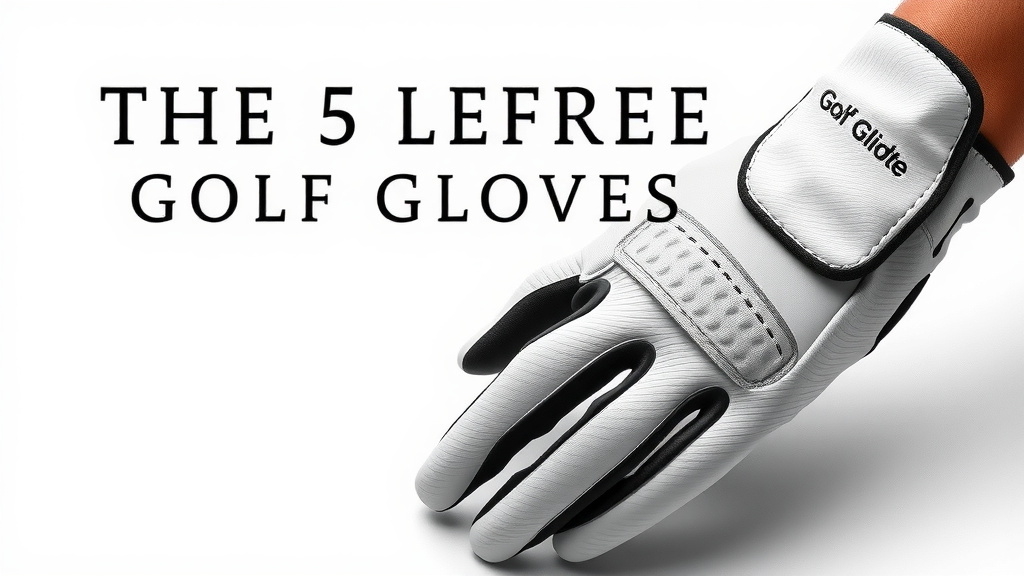
When choosing a golf glove, you want to look for the right material, a snug fit, and proper durability. The best golf gloves feel like a second skin, giving you a confident grip without restricting your swing. Finding the perfect one can make a real difference in your game.
It’s not just about looks; the feel and function are key. A well-fitting glove enhances control and comfort throughout your round. We found that paying attention to these details helps golfers avoid common mistakes and improve their overall performance on the course. Consider the weather conditions you typically play in, too.
- Material matters most for feel and grip.
- A glove should fit snugly, like a second skin.
- Check for good stitching and overall durability.
- Consider breathability for comfort in warm weather.
Let’s walk through exactly what you should be looking for to find the perfect golf glove for your game.
“`htmlWhat to Look For in a Quality Golf Glove
Finding the right golf glove is like finding the right club – it needs to feel just right in your hand. You want a glove that enhances your grip, not hinders it. We’ve looked into what makes a golf glove truly great, and it often comes down to a few key features. Let’s break down what you should be searching for to make sure your next glove feels fantastic and performs even better. Finding the right golf glove is like finding the right club – it needs to feel just right in your hand, especially considering cadet vs. standard sizing.
Understanding Golf Glove Materials
The material of your golf glove plays a big role in its feel, grip, and how long it lasts. Different materials offer different benefits, and understanding these can help you choose the best one for your game and your budget.
Leather: The Classic Choice
When you think of a golf glove, you probably picture leather. Genuine leather offers a fantastic, natural feel. It molds to your hand over time, giving you a custom fit. This natural material also provides excellent breathability, which is a big plus on hot days. We found that higher-quality leather gloves often feel softer and more durable. However, leather can be sensitive to moisture and may wear out faster than synthetic options if not cared for properly. It’s often considered the premium choice for serious golfers.
Synthetic Materials: The Modern Alternative
Synthetic golf gloves are made from various engineered materials. These are often designed to mimic the feel and grip of leather but with added benefits. Many synthetic gloves offer great durability and are more resistant to sweat and water than genuine leather. They can also be a more affordable option. We found that some high-tech synthetics can offer a surprisingly good feel and grip, even in wet conditions. Some even incorporate mesh panels for enhanced breathability. If you play in varied weather or are looking for a glove that holds up well, synthetics are worth considering.
Hybrid Gloves: The Best of Both Worlds
Many golf gloves today are hybrids. They combine genuine leather in key areas, like the palm and fingers, with synthetic materials for the back of the hand or knuckles. This approach aims to give you the best of both worlds: the superior grip and feel of leather where you need it most, and the durability and flexibility of synthetics elsewhere. We found these gloves can offer a great balance of performance and longevity. They often provide a secure feel without sacrificing comfort.
Achieving the Perfect Fit
A glove that’s too tight or too loose can negatively impact your swing. Getting the fit right is probably the most critical step. It should feel like a second skin, allowing for natural movement.
How a Golf Glove Should Feel
When you slip on the glove, it should feel snug but not tight. Your fingers should be able to reach the end of the glove without being cramped. There shouldn’t be any excessive bagginess, especially in the palm or around the fingers. We found that a proper fit ensures you have maximum control over your club. If the fingertips are too long, you might feel them bunching up. Too much slack in the palm means you might lose grip pressure.
Checking for Fit Issues
One of the best ways to check the fit is to make a light fist. The material should stretch slightly but not so much that you see diagonal lines of tension across your palm. If you see these lines, the glove is likely too small. We also recommend checking the wrist strap. It should comfortably secure the glove without cutting off circulation. A good fit means the glove works with your hand, not against it.
Durability and Construction
A golf glove is an investment, and you want it to last. The way a glove is made, including its stitching and reinforcement, affects how well it holds up over many rounds.
Stitching Quality
Examine the seams and stitching. Neat, strong stitching is a sign of a well-made glove. We found that gloves with reinforced stitching in high-wear areas, like the fingertips and palm, tend to last longer. Poorly done stitching can unravel quickly, leading to tears and a glove that’s no longer functional. Look for consistency and how well the material edges are finished.
Reinforced Wear Areas
Pay attention to the palm and finger areas. These are the parts that experience the most friction during your swing. Many good golf gloves have extra padding or thicker material in these spots. This not only adds durability but can also improve your grip. We found that gloves designed with golfer’s movements in mind often incorporate these reinforcements. It’s a small detail that makes a big difference in the glove’s lifespan and performance.
Considering Play Conditions and Preferences
Your typical golfing environment and personal preferences are important factors. What works for a humid summer day might not be ideal for a cool, dry fall afternoon.
Weather Adaptability
If you often play in hot and humid conditions, look for gloves with excellent breathability. Mesh panels on the back of the hand or micro-perforations in the leather/synthetic material can help keep your hands cool and dry. For playing in the rain or very damp conditions, gloves designed for wet weather grip are essential. These often use special materials or treatments to maintain traction even when wet. We found that specialized gloves can significantly improve your confidence and control in challenging weather.
Grip Enhancement
Some gloves are designed with extra features to boost grip. This might include textured palms or specific coatings. If you feel like you need a little extra tackiness for a secure hold on the club, look for gloves that advertise enhanced grip technology. However, be mindful that too much tackiness can sometimes make the glove feel sticky or uncomfortable. We found that the best grip comes from a combination of the right material and a perfect fit.
Quick Checklist for Your Next Golf Glove Purchase
Here’s a quick rundown to help you remember the key things to look for:
- Material: Genuine leather, synthetic, or a hybrid blend?
- Fit: Snug, but not too tight, with no bagginess.
- Stitching: Strong, neat, and reinforced in wear areas.
- Comfort: Does it feel good after a few minutes?
- Durability: Does it look like it will last many rounds?
- Breathability: Important for warmer weather play.
Conclusion
You’ve learned what truly matters when picking your next golf glove. Remember, it’s all about finding that perfect balance between material, a snug fit, and solid durability. We found that a glove that feels like an extension of your hand can really boost your confidence and control on the course. Don’t overlook the smaller details like stitching and reinforced wear areas. Your next glove is out there – take these tips and go find one that helps you play your best game.
Frequently Asked Questions
How often should I replace my golf glove?
You should look to replace your golf glove when it starts to lose its grip or feel. We found that even a glove that looks okay might be worn out. Typically, a glove might last 10-20 rounds, depending on how much you play and the glove’s quality.
Can I use the same glove for practice and playing rounds?
Yes, you absolutely can use the same glove for both. However, frequent practice, especially with range balls, can wear down your glove faster than playing a few rounds. Many golfers keep a dedicated glove for practice to preserve their gamer.
What’s the difference between a cabretta leather glove and other leather types?
Cabretta leather is a fine, premium sheepskin leather known for its softness, feel, and flexibility. We found that gloves made from 100% cabretta leather tend to mold to your hand best, offering superior comfort and grip, but they can also be less durable than hybrids or synthetics.
Is it better to buy gloves in a pack or individually?
Buying gloves in a pack is usually more cost-effective if you know you like a specific brand and model. We found that purchasing multi-packs can save you money per glove, especially if you go through them relatively quickly or want to have spares on hand.
My hands sweat a lot, what kind of glove is best for me?
If your hands tend to sweat, look for gloves with excellent breathability. Synthetic materials or hybrid gloves with mesh panels are often a great choice. We found that these materials wick moisture better and can help maintain a consistent grip even in humid conditions.