Glove Liners vs Gloves: What’s the Difference
When choosing hand protection, glove liners and gloves serve different but often complementary purposes. Glove liners are thin layers worn inside gloves to add warmth, wick moisture, and prevent irritation, while gloves are the outer protective layer offering insulation, waterproofing, or impact resistance. You might need both for optimal comfort and protection in cold or demanding conditions.
Think of liners as your first line of defense for comfort and a second skin. They’re great for adding that extra bit of warmth without the bulk of thicker gloves. Many outdoor enthusiasts and workers rely on them to manage sweat and keep hands cozy. Gloves, on the other hand, are your main shield against the elements, be it rain, snow, or rough materials.
- Glove liners add warmth and wick moisture.
- Gloves provide the main external protection.
- Liners prevent skin irritation from glove materials.
- You can layer liners under gloves for extra warmth.
- Choose based on your activity and weather conditions. While liners can be worn alone in mild conditions, this guide discusses when going glove-free is appropriate.
Let’s dive into the specifics of how glove liners and gloves work together, and when you might need one, the other, or both.
“`htmlUnderstanding Your Hand Protection Options
So, you’re looking for the best way to keep your hands safe and comfortable. It’s easy to get confused between glove liners and gloves. They might seem similar, but they have distinct roles. Think of them as a dynamic duo for your hands. We’ve found that understanding their individual jobs helps you pick the right gear.
What Exactly Are Glove Liners?
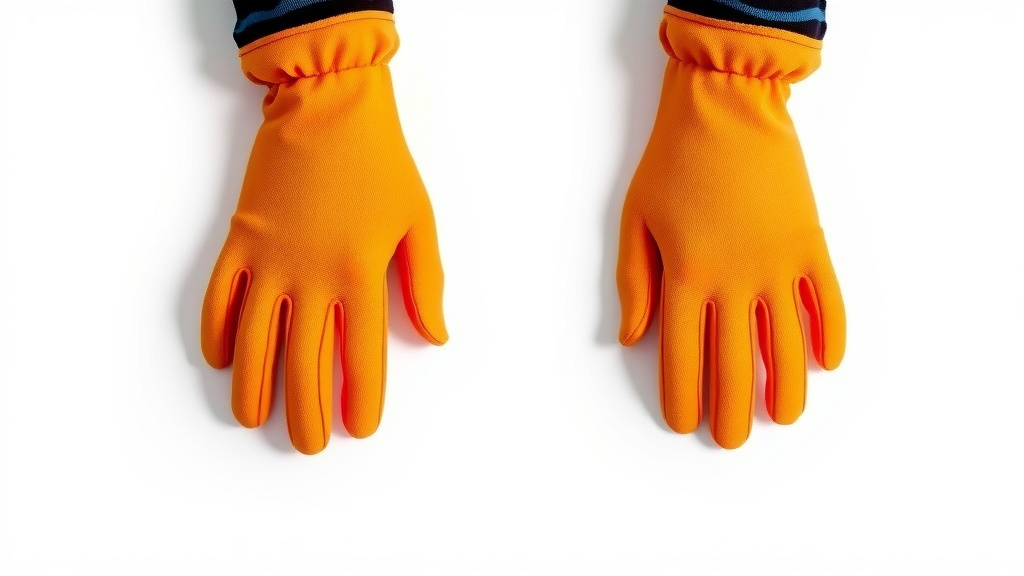
Glove liners are thin, lightweight layers worn directly against your skin. Their primary job is to boost the performance of your outer gloves. They aren’t usually designed for standalone protection. Instead, they work from the inside out to improve your comfort and the effectiveness of your main gloves.
The Role of Liners in Warmth
One of the biggest benefits of liners is adding warmth. When you wear them under your regular gloves, they trap an extra layer of air. This trapped air acts as an insulator. Many people find this makes a big difference on chilly days. Research shows that better insulation significantly reduces heat loss from extremities (NCBI).
Moisture Management is Key
Your hands sweat, even when it’s cold. This moisture can make your hands feel cold and clammy. Glove liners made from moisture-wicking materials pull sweat away from your skin. They then transfer it to the outer layer of your glove. This keeps your hands drier and warmer. We’ve found this feature is a lifesaver for hikers and runners.
Preventing Irritation and Improving Fit
Sometimes, the material inside a glove can be scratchy or cause irritation. Liners create a soft barrier between your skin and the glove. They can also help gloves fit better. If your gloves are a little loose, liners can fill that space. This can improve dexterity and comfort. Some liners even have antimicrobial properties to reduce odor.
What Are Gloves and What Do They Do?
Gloves are your main line of defense. They are the outer layer designed to protect your hands from various elements and hazards. Their function depends heavily on their construction and intended use. You’ll find gloves for everything from gardening to extreme sports.
Protection from the Elements
The most common use for gloves is protection against weather. This includes keeping your hands warm in the cold and dry in the rain or snow. Waterproof and windproof gloves are essential for outdoor activities in harsh conditions. Many experts recommend layering for the best protection against extreme cold (CDC).
Shielding Against Hazards
Gloves also protect against physical hazards. Think about work gloves, for example. They can protect against cuts, abrasions, punctures, and impacts. There are also chemical-resistant gloves designed to shield your skin from hazardous substances. The material and design are critical for effective hazard protection.
Insulation for Cold Weather
While liners add insulation, gloves provide the bulk of it. Thicker gloves have more insulating material. This material traps air and slows down heat transfer away from your hands. The amount of insulation needed varies based on the temperature and your activity level. For very cold conditions, you need gloves with substantial insulation.
When to Use Liners, Gloves, or Both
Deciding whether to use liners, gloves, or a combination depends on your situation. We’ve broken down common scenarios to help you choose.
Scenarios Where Liners Alone Might Suffice
In milder, cool conditions, you might only need liners. If you’re just stepping outside for a short period or doing light outdoor chores, thin liners can provide enough warmth and comfort. They’re also great for indoor activities where your hands get a bit cold, like working in a chilly warehouse. They offer a bit of warmth without making your hands overheat.
When Gloves Are Your Go-To Choice
For significant protection against the elements or hazards, gloves are essential. If you’re going skiing, shoveling snow, or working with rough materials, you’ll need proper gloves. They are designed to withstand direct exposure to cold, moisture, or physical risks. Choosing the right type of glove is critical for safety.
The Power of Layering: Liners AND Gloves
This is where the magic happens for maximum comfort and protection. Layering liners under gloves is a popular strategy for many reasons. It significantly boosts warmth without adding excessive bulk. The liner manages moisture, and the glove provides the primary insulation and protection. We found this setup is ideal for long durations outdoors in cold weather.
Consider this combination for activities like:
- Extended hiking or camping trips in winter.
- Working outdoors for several hours in freezing temperatures.
- Participating in winter sports like snowboarding or ice fishing.
- Situations where your hands might get wet and then exposed to cold again.
This layered approach ensures your hands stay warm, dry, and protected throughout your activity. It’s like giving your hands a cozy, secure fort against the outside world.
| Scenario | Best Option | Why |
|---|---|---|
| Mildly cool, short duration outdoors | Glove Liners | Provides light warmth and comfort without bulk. |
| Cold weather, moderate exposure | Gloves | Offers direct insulation and protection from elements. |
| Very cold, wet, or long-duration activities | Liners + Gloves | Maximizes warmth, manages moisture, and provides layered protection. |
| Hazardous work (cuts, chemicals) | Specialty Gloves (potentially with liners) | Designed for specific safety requirements. |
Choosing the Right Materials
The materials used in both liners and gloves play a huge role in their performance. For liners, look for moisture-wicking fabrics like merino wool, polyester, or nylon blends. These fabrics help manage sweat effectively. Some synthetic liners are engineered for excellent warmth-to-weight ratios. Many outdoor gear experts recommend merino wool for its natural warmth and odor resistance (Mayo Clinic).
For gloves, the outer material often determines their purpose. Leather is durable and offers good dexterity. Waterproof-breathable membranes like Gore-Tex are common in ski and winter gloves. Insulation can range from down to synthetic fills. The lining inside the glove also matters – soft fleece or a smooth fabric enhances comfort. Always check the manufacturer’s guidelines for care, as improper washing can damage specialized materials.
Quick Checklist for Your Hand Protection Needs
Before you head out, ask yourself these questions:
- What is the expected temperature range?
- Will my hands be exposed to rain or snow?
- Am I doing a strenuous activity that will cause me to sweat?
- Do I need protection from sharp objects or rough surfaces?
- How long will I be outdoors?
- Do my current gloves feel a little too loose or too tight?
Answering these will guide you to the perfect handwear solution!
“`
Conclusion
Keeping your hands comfortable and protected is all about making smart choices. You’ve learned that glove liners are your secret weapon for adding warmth and managing sweat, acting like a second skin. Gloves are your primary shield against harsh weather and potential hazards. For the ultimate defense, especially in challenging conditions, layering liners under your gloves offers superior warmth and moisture control. By considering your activity and the environment, you can confidently choose the right gear to keep your hands in top shape.
Frequently Asked Questions
Can I wear glove liners without gloves?
Yes, you can wear glove liners on their own for mild chill. They provide a light layer of warmth and can prevent minor skin irritation. However, they don’t offer significant protection against the elements like rain, snow, or strong winds.
How do I know if I need a liner or just a glove?
Consider the temperature and your activity level. If it’s just cool and you’ll be briefly outdoors, liners might be enough. If you’re facing colder weather, potential moisture, or need robust protection, a glove is essential. For extended cold-weather activities, consider both.
What are the best materials for glove liners?
Look for moisture-wicking materials like merino wool, polyester, or nylon blends. These fabrics pull sweat away from your skin to keep you dry and warm. Merino wool is also naturally odor-resistant.
Will wearing liners make my gloves fit too tight?
Sometimes, yes. If your gloves already fit snugly, adding a liner might make them too tight, which can actually reduce warmth by limiting air circulation. We’ve found that trying on gloves with your preferred liner can help you find the perfect fit.
Are there different types of glove liners for different activities?
Yes, there are. You can find ultra-thin liners for maximum dexterity or slightly thicker ones for added warmth. Some are designed for specific sports, like running or cycling, focusing on breathability and moisture-wicking.