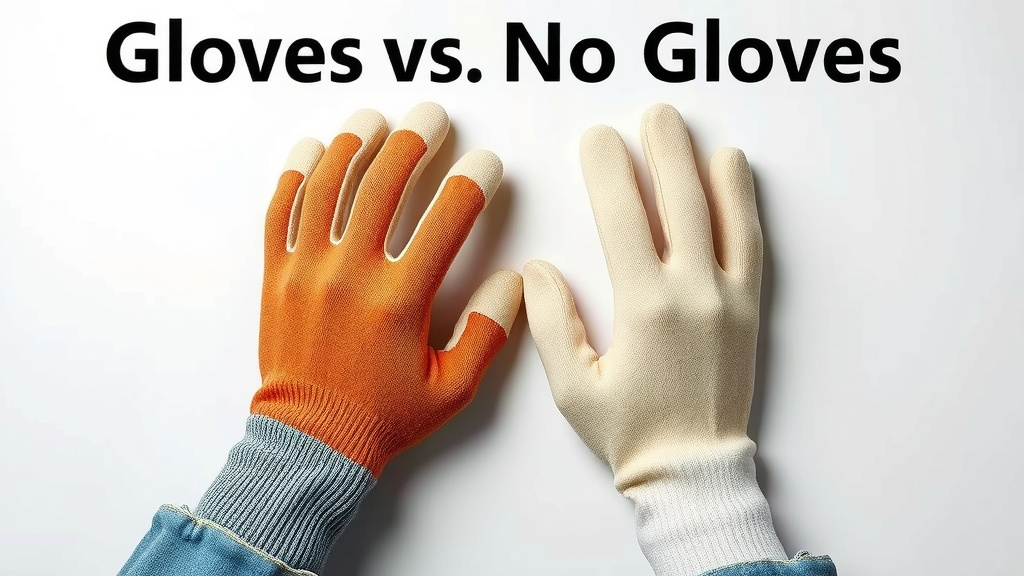
Gloves vs No Gloves: Which Is Right for Your Task
When it comes to protecting your hands, the choice between wearing gloves and going without often comes down to the task at hand. For activities involving potential hazards like chemicals, extreme temperatures, or sharp objects, gloves are generally the safer bet to prevent injury and contamination. However, for everyday tasks that pose little risk, going glove-free might offer better dexterity and a more natural feel.
The decision isn’t always black and white. We found that many everyday chores can be done comfortably without protection. But when dealing with specific materials or situations, like cooking raw meat or handling harsh cleaning supplies, gloves become a hygiene necessity and a barrier against harmful substances. Understanding the risks involved is key to making the right choice for your hands.
- Gloves offer essential protection against hazards.
- Going without gloves can provide better dexterity for some tasks.
- Consider the specific activity to decide if gloves are needed.
- Hygiene is a major factor, especially with food or chemicals.
Let’s break down the pros and cons so you can decide what’s best for your hands in different situations.
You’re wondering when it’s truly necessary to slip on a pair of gloves and when you can happily skip them. It’s a practical question that pops up for countless daily activities. Let’s sift through the dirt and find the clear answers for your hands.
When to Reach for Hand Protection
Wearing gloves can be a real lifesaver, or at least, a hand-saver. They act as a barrier. This barrier keeps unwanted things out and keeps your own stuff in. Think of them as tiny shields for your skin.
Protecting Against Hazards
Some jobs and activities are just plain tough on your hands. Chemicals are a big one. Cleaning products, for example, can have harsh ingredients that dry out your skin or even cause burns. Gloves made from materials like nitrile or neoprene offer a solid defense against these corrosive substances.
What about extreme temperatures? Touching something super hot or freezing cold can cause immediate damage. Insulated gloves are essential for anyone working with hot ovens, handling dry ice, or even working outdoors in deep winter. They prevent frostbite or painful burns.
Preventing Cuts and Punctures
Sharp objects are another common culprit for hand injuries. Whether you’re working with tools, handling broken glass, or even doing some rough gardening, gloves can stop a nasty cut. Cut-resistant gloves, often made with materials like Kevlar, provide a tough layer that can prevent knives or sharp edges from piercing your skin.
Maintaining Hygiene and Preventing Contamination
Hygiene is a huge reason to wear gloves. When you’re handling raw meat, for instance, gloves create a barrier to prevent the spread of bacteria like Salmonella and E. coli. This is vital for both your own health and the safety of anyone who will eat the food. The Centers for Disease Control and Prevention (CDC) strongly recommends wearing gloves when handling raw meat and poultry.
Similarly, when dealing with bodily fluids or medical supplies, disposable gloves are non-negotiable. They protect both the wearer and the person being cared for from cross-contamination. For healthcare workers, this is a standard practice.
The Case for Going Glove-Free
Now, let’s talk about when going without gloves makes more sense. Sometimes, those extra layers can actually get in your way. The biggest advantage of skipping gloves is usually dexterity.
Enhanced Feel and Control
When you’re not wearing gloves, you have a direct connection to what you’re touching. This allows for better fine motor skills. Think about trying to tie a tiny knot or pick up a dropped screw. Without gloves, your fingers can feel and grip objects more precisely. Many tasks simply feel more natural when your bare hands are doing the work.
Better Grip on Certain Items
Surprisingly, for some items, not wearing gloves can actually give you a better grip. Smooth, dry surfaces can be handled with more confidence when you can feel the texture directly. While some gloves offer enhanced grip patterns, they can’t always replicate the tactile feedback of bare skin.
Comfort and Sensations
For many everyday chores, gloves can feel cumbersome or overly warm. If you’re just quickly wiping down a counter or sorting mail, the minor discomfort of wearing gloves might not be worth the protection. Plus, there’s a certain satisfaction in feeling the clean surface under your fingertips. It’s a sensory experience that gloves can dampen.
Situational Checklists for Glove Use
To help you decide quickly, we’ve put together some common scenarios. Think of these as quick guides.
When Gloves Are Highly Recommended
- Handling raw meat, poultry, or seafood.
- Using strong cleaning chemicals.
- Working with hot or freezing objects.
- Dealing with broken glass or sharp metal.
- Performing tasks involving bodily fluids.
- Gardening in thorny or potentially contaminated soil.
When Going Glove-Free is Often Fine
- Washing dishes with warm, soapy water (unless you have sensitive skin or cuts).
- Sorting laundry.
- Wiping down surfaces with mild cleaners.
- Basic food preparation with clean fruits and vegetables.
- Writing or using a keyboard.
- Crafting with paper or yarn.
Ultimately, the decision depends on understanding the potential risks. If there’s a chance of harm, contamination, or skin irritation, it’s probably best to put on a pair of gloves.
| Feature | Gloves | No Gloves |
|---|---|---|
| Protection | Excellent against hazards, chemicals, and germs. | Minimal to none against specific dangers. |
| Dexterity | Can be reduced; depends on glove type. | Maximized for fine motor control. |
| Feel & Grip | Varies; some gloves improve grip, others reduce feel. | Direct tactile feedback; optimal grip on many surfaces. |
| Hygiene | Essential for preventing contamination. | Risk of spreading germs if hands are not clean. |
| Comfort | Can be warm or restrictive for some tasks. | Generally more comfortable for simple chores. |
So, next time you’re faced with a task, take a moment. Assess the situation, consider what’s at stake, and then make the best choice for your hands. It’s about working smarter and keeping yourself safe and healthy!
Conclusion
You’ve seen how the glove decision boils down to the specific task. For protection against hazards like chemicals, sharp objects, or extreme temperatures, gloves are your hands’ best defense. They’re also vital for hygiene when handling raw foods or dealing with bodily fluids to prevent contamination.
On the other hand, for tasks requiring delicate touch or better grip on smooth surfaces, going bare-handed often feels more natural and offers superior dexterity. By considering the risks and benefits for each activity, you can confidently choose the right protection – or lack thereof – for your hands. Make it a habit to quickly assess your task, and protect yourself accordingly!
Frequently Asked Questions
Are disposable gloves good enough for cleaning with harsh chemicals?
For most common household cleaning chemicals, disposable gloves like nitrile can offer decent protection. However, for extremely strong or prolonged chemical exposure, you might need thicker, chemical-resistant gloves specifically rated for those substances. Always check the glove packaging for compatibility with the chemicals you’re using.
Can I skip gloves when chopping vegetables if I’m careful?
While caution is good, accidents happen quickly in the kitchen. Even careful cooks can slip. Wearing gloves, especially cut-resistant ones or even just a thin layer of nitrile, can provide an important safety net against accidental cuts from knives and graters. It adds a layer of security to your food prep.
Do gloves really make a difference for my skin health?
Absolutely. Gloves act as a barrier against irritants like soaps, detergents, and solvents that can strip your skin of its natural oils, leading to dryness, cracking, and irritation. If you have sensitive skin or existing conditions like eczema, wearing gloves for chores can significantly improve your skin’s comfort and health.
When should I NOT wear gloves for cooking?
You can often skip gloves when handling clean, whole fruits and vegetables or when doing simple tasks like stirring a sauce. Many cooks prefer to feel the ingredients directly for better texture control. However, always wash your hands thoroughly before and after cooking, and use gloves if you have any cuts or sores on your hands.
How do I choose the right type of glove for a specific job?
Consider the main risk: for heat, look for insulated gloves. For chemicals, check for material resistance (nitrile, neoprene, PVC). For sharp objects, choose cut-resistant materials like Kevlar. For general tasks, disposable latex or nitrile gloves are often sufficient for basic protection and hygiene. Always read product labels for recommended uses.