How Gloves Are Manufactured: A Step-by-Step Guide
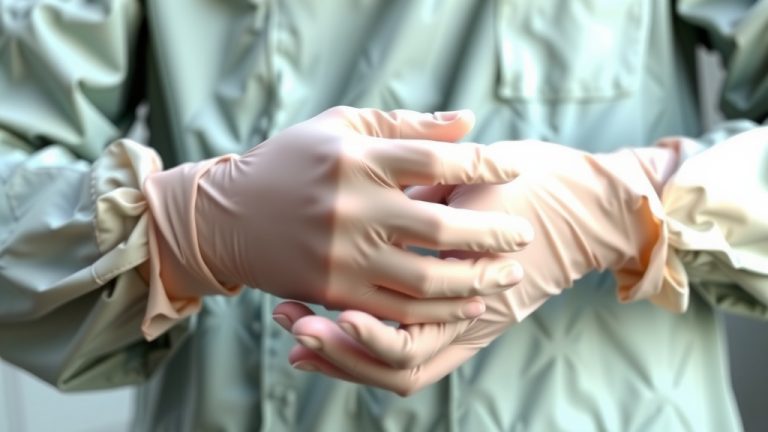
Gloves are manufactured through a variety of processes, depending on the material. For latex and nitrile gloves, the common method involves dipping a glove mold into the rubber compound. Vinyl gloves are typically made by pouring a liquid PVC mixture onto a mold. Then, the material is cured and stripped off, ready for packaging.
The manufacturing journey begins with sourcing the raw materials, whether that’s natural rubber latex, synthetic nitrile, or PVC. These materials are then prepared and purified. Factories use specialized machinery to shape and form the gloves, ensuring consistent quality and durability. It’s quite an industrial ballet, really.
- Materials like latex, nitrile, and vinyl are sourced.
- Molds are dipped or filled with liquid materials.
- Gloves are cured and removed from molds.
- Quality checks and packaging follow.
Let’s walk through exactly how different types of gloves get made, step by step.
The Journey of Glove Manufacturing: From Raw Materials to Your Hands
Ever wonder how those protective gloves, whether for a doctor, a chef, or just your household cleaning, actually come to be? It’s a fascinating process, blending chemistry and machinery. We’ll guide you through the common ways different glove types are made, ensuring they’re ready to protect you.
Crafting Disposable Gloves: The Dip and Cure Method
Most disposable gloves, like latex, nitrile, and vinyl, are born from a dip-molding process. Think of it like dipping a hand into a liquid substance, but on an industrial scale. This method is pretty standard for creating those thin, flexible barriers we rely on daily.
Preparing the Molds
The journey starts with the molds. These are shaped like human hands, typically made of ceramic or metal. Factories have thousands of these molds. Before any dipping begins, the molds are cleaned meticulously. Any residue could affect the final glove’s quality. Cleanliness is absolutely key here.
The Dipping Process
Next, the cleaned molds are sent through a series of tanks. First, they’re often dipped in a coagulant solution. This helps the rubber or polymer material stick evenly. Then, the real magic happens: the molds are dipped into large vats filled with the liquid glove material. For latex gloves, this is natural rubber latex. For nitrile gloves, it’s a synthetic polymer emulsion. Vinyl gloves use a liquid PVC (polyvinyl chloride) mixture.
The depth and duration of the dip control the glove’s thickness. Multiple dips might be needed for certain types. After dipping, the molds move through leaching tanks. This step removes any unwanted proteins or chemicals. For latex gloves, this is especially important to reduce allergy risks (CDC).
Curing and Finishing Touches
Once the material is on the mold, it needs to solidify. This is achieved through a curing process, usually involving heat. The molds pass through ovens where controlled temperatures solidify the polymer. This curing step is vital for the glove’s strength and elasticity. Without it, the gloves would be weak and prone to tearing.
After curing, the gloves are carefully stripped from the molds. This is often done automatically by machines. Then, they might go through additional processes like chlorination or polymer coating. Chlorination makes the gloves easier to put on by reducing their tackiness. Other finishes can improve smoothness and comfort.
Quality Control and Packaging
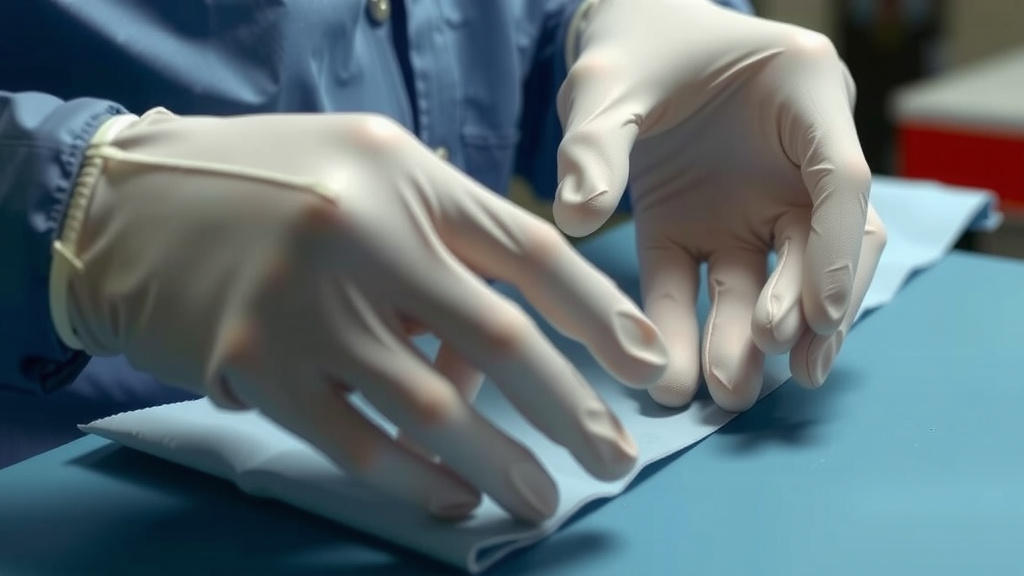
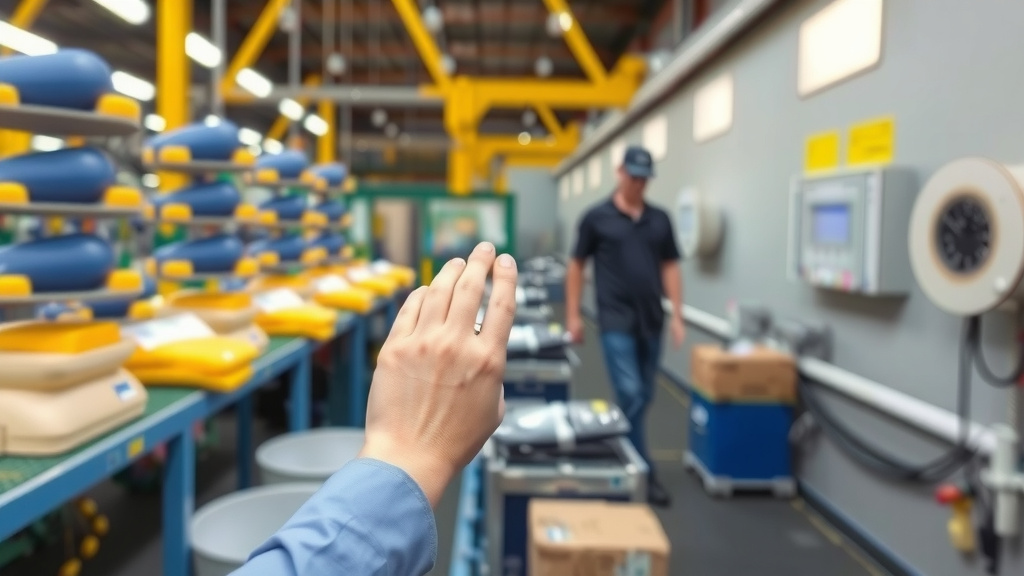
Before you ever see them, gloves undergo rigorous quality checks. Inspectors look for any pinholes, tears, or inconsistencies. Machines often test for strength and elasticity. Gloves that don’t meet standards are rejected. Finally, the approved gloves are inspected for cleanliness, sorted, and packaged. They are then bundled, boxed, and shipped out, ready for their protective duties.
Making Robust Work Gloves: Stitching and Assembly
Work gloves, designed for heavy-duty tasks, often involve different manufacturing techniques. These gloves need to be tough and durable, so they’re frequently constructed from materials like leather, canvas, or synthetic fabrics. The process focuses on sewing and assembly to create a strong, protective shell.
Material Selection and Cutting
For work gloves, the choice of material is paramount. Leather provides excellent abrasion resistance and flexibility. Canvas offers good durability and breathability. Synthetic materials can offer specific properties like water resistance or enhanced grip. Once selected, these materials are cut into specific shapes using precise patterns.
These patterns dictate the shape of each finger, the palm, and the back of the hand. Industrial cutting machines, often computer-controlled, ensure accuracy and minimize material waste. You want every piece to fit together perfectly, like a puzzle for your hands.
The Sewing Process
This is where the glove truly takes shape. Skilled machinists use heavy-duty industrial sewing machines to stitch the cut pieces together. This isn’t your average sewing; it requires specialized needles and strong, durable threads. The seams are reinforced to withstand significant wear and tear.
Different parts of the glove are assembled in stages. The palm might be attached first, followed by the fingers and the back panel. Extra padding or reinforcement might be added to high-wear areas. Some specialized work gloves might also include additional components like elastic cuffs for a snug fit or Velcro closures for adjustability.
Finishing and Inspection
Once sewn, work gloves undergo finishing touches. This can include trimming excess threads, treating the materials (like waterproofing leather), or adding branding. Like disposable gloves, work gloves are also inspected for defects. A careful eye checks for loose stitches, material flaws, or construction errors. The goal is a glove that’s both comfortable and highly protective.
Specialty Gloves: A Different Approach
Beyond everyday disposable and work gloves, there are specialty gloves for specific uses, like heat-resistant gloves or cleanroom gloves. Their manufacturing processes are tailored to their unique requirements.
Heat-Resistant Gloves
These gloves often use multiple layers of specialized materials. Think thick, insulating fabrics like Kevlar or Nomex, sometimes combined with leather or silicone for grip and protection. The construction focuses on creating air pockets for insulation and ensuring the outer materials can withstand high temperatures. Sewing techniques are similar to work gloves but use even stronger, heat-resistant threads.
Cleanroom Gloves
For environments where contamination must be avoided, like microchip manufacturing or pharmaceutical labs, cleanroom gloves are essential. These are typically made from materials like nitrile or polyurethane. The key difference is the extreme level of cleanliness during manufacturing. They are produced in highly controlled, sterile environments. After production, they are often double-bagged to maintain their purity. Strict protocols ensure no particles or residues are present (NIH).
Making gloves is a complex process that varies greatly by type. Here’s a quick summary:
- Disposable Gloves (Latex, Nitrile, Vinyl): Dip-molding, curing, and finishing.
- Work Gloves (Leather, Canvas): Cutting materials, industrial sewing, and assembly.
- Specialty Gloves: Tailored processes for heat resistance or extreme cleanliness.
| Material Type | Common Manufacturing Process | Key Properties | Typical Uses |
|---|---|---|---|
| Latex | Dip-molding | Elasticity, good tactile sensitivity, tear resistance | Medical exams, food service, general protection |
| Nitrile | Dip-molding | Puncture and chemical resistance, durability, good alternative for latex allergies | Medical, industrial, automotive, food processing |
| Vinyl | Dip-molding or pouring | Cost-effective, good for short-term use, loose-fitting | Food service, low-risk medical, janitorial |
| Leather | Cutting and sewing | Durability, abrasion resistance, flexibility | Construction, welding, mechanics, heavy labor |
| Synthetic Fabrics (e.g., Kevlar) | Cutting and sewing | High tensile strength, heat resistance, cut resistance | Industrial safety, welding, firefighters |
So, next time you pull on a pair of gloves, take a moment to appreciate the journey they’ve taken. It’s a mix of science, engineering, and careful craftsmanship, all designed to keep your hands safe and protected.
Conclusion
You’ve journeyed through the fascinating process of glove manufacturing, from the precise dip-molding of disposable gloves to the sturdy stitching of work gloves. We saw how materials like latex, nitrile, vinyl, leather, and specialized fabrics are transformed using a blend of chemistry and engineering. Each type, whether for medical use, heavy labor, or sterile environments, undergoes a distinct set of steps to ensure it meets your needs for protection and performance. Understanding this process helps you appreciate the craftsmanship behind every pair you use.
Now that you know how gloves are made, consider what you look for in your next pair. Think about the materials and the manufacturing methods that best suit your specific tasks. Your choice can make a real difference in comfort and safety.
Frequently Asked Questions
How are latex gloves made differently from nitrile gloves?
Both latex and nitrile gloves are typically made using a dip-molding process where hand-shaped molds are dipped into liquid material. The main difference lies in the material itself: latex gloves use natural rubber latex, while nitrile gloves use a synthetic polymer. This material difference affects properties like elasticity and allergen potential.
Why are cleanroom gloves manufactured in such controlled environments?
Cleanroom gloves are made in sterile, highly controlled environments to prevent any contamination. This is critical for industries like microchip manufacturing or pharmaceuticals, where even tiny particles can ruin sensitive products or compromise research. Strict protocols ensure the gloves remain pure from production to packaging.
What makes work gloves designed for heavy-duty tasks different in manufacturing?
Work gloves focus on durability, so their manufacturing involves cutting robust materials like leather or canvas into precise shapes. These pieces are then industrially sewn together with strong threads and reinforced seams. The emphasis is on assembly and stitching to create a glove that can withstand tough conditions and wear.
Is the curing process the same for all types of gloves?
The curing process, usually involving heat, is essential for solidifying the material on disposable gloves like latex and nitrile, giving them strength and elasticity. While work gloves also involve processes to set their form, the “curing” as seen in dip-molding isn’t the primary method; their structure is built through sewing and assembly of pre-formed materials.
How do manufacturers ensure gloves don’t have holes?
Quality control is a vital step for all glove manufacturing. After the main production process, gloves undergo rigorous inspections, often using both automated machinery and human testers. They are checked for defects like pinholes, tears, and structural inconsistencies to ensure they provide reliable protection.