Gym Gloves vs Wrist Support: Which Is Right For You
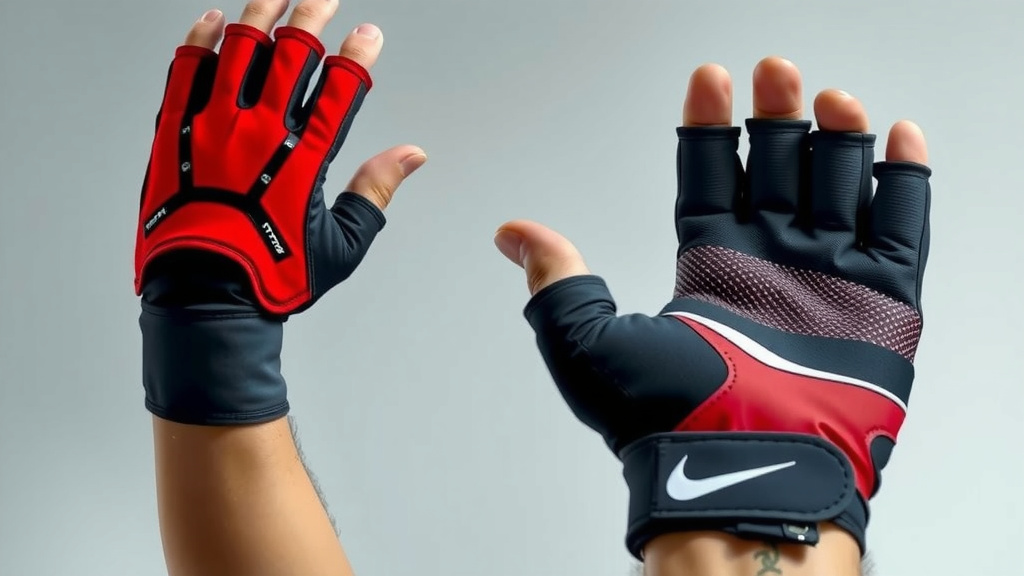
Gym gloves and wrist support serve different, but sometimes overlapping, purposes when you’re lifting weights. Gym gloves and wrist support have different functions, much like compression gloves and wrist braces.Gym gloves primarily protect your hands from calluses and improve grip, while wrist support is designed to stabilize your wrists, especially during heavy overhead or pressing movements. You’ll often choose one or the other based on your specific workout needs and any existing discomfort.
Choosing between gym gloves and wrist wraps depends on your goals. If your main concern is preventing rough skin or adding a bit of grip, gloves are your friend. For those who need to support joints during intense lifts, wrist wraps offer targeted stability. Many lifters find they need both at different times.
- Gym gloves fight calluses and enhance grip.
- Wrist support prevents joint strain and improves stability.
- The best choice depends on your workout type.
- Heavy pressing often calls for wrist support.
- Grip and hand protection are glove benefits.
Let’s break down exactly when you might want to reach for gloves versus wrist support, and when you might even need both!
Gloves or Wrist Support: Which Helps Your Workout More?
It’s a common question when you’re gearing up for the gym. Do you grab those grippy gloves or snug wrist wraps? They both seem like they help, but they do very different things for your lifting game. Think of it this way: gloves are like a good pair of gloves for gardening, keeping your hands clean and giving you a better hold. Wrist supports are more like a brace for an injured ankle, offering extra stability when you need it most.
We found that many lifters get confused because both items can feel like they’re improving performance. However, understanding their core function is key. Gloves focus on your hands, while wrist support focuses on your joints. Your workout’s demands will usually tell you which one you need.
Understanding Gym Gloves: More Than Just Grip
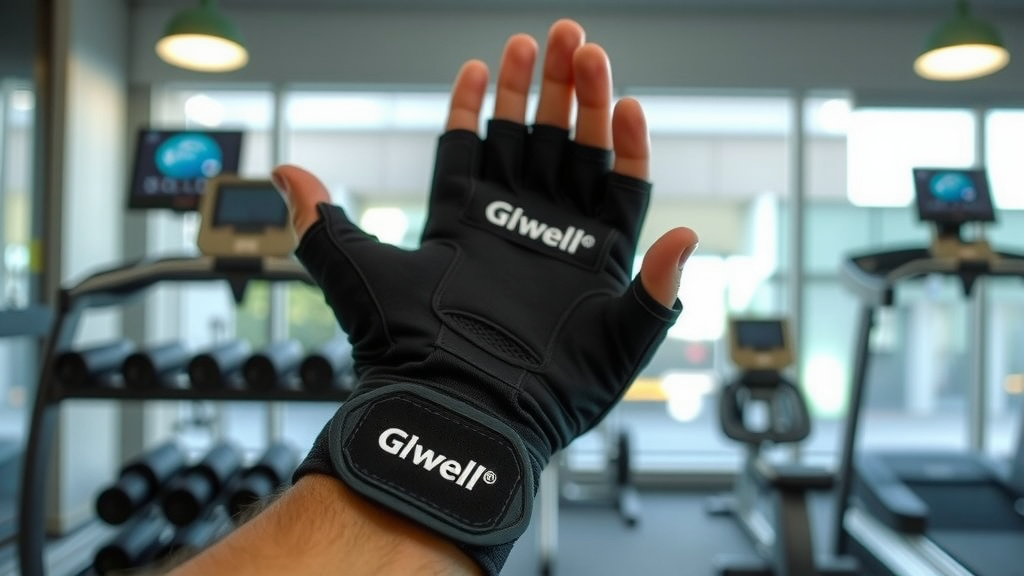
Gym gloves are designed with a few main goals in mind. First, they aim to protect your hands from the rough stuff. You know, those painful calluses and blisters that can develop from the friction of barbells and dumbbells? Gloves create a barrier, keeping your skin smoother. This can make your workouts much more comfortable, especially if you’re doing a lot of high-rep work or using barbells frequently.
Secondly, many gym gloves are made with materials that enhance your grip. The palms often have textured surfaces, like rubber or silicone patterns. This extra traction can be a lifesaver when your hands start to get sweaty. A better grip means you can lift more confidently, and sometimes, lift heavier because you’re not worried about dropping the weight. It’s like wearing grippy socks for basketball; you just feel more secure.
When Gloves Shine Brightest
So, when should you definitely consider slipping on some gym gloves? They’re particularly useful for:
- High-volume training: If you’re doing many sets and reps, especially with barbells or kettlebells, your hands will take a beating. Gloves help prevent this.
- Improving grip confidence: For exercises like deadlifts, rows, or pull-ups, a secure grip is vital. Gloves can provide that extra boost of confidence.
- Reducing hand sweat: If you tend to have sweaty palms, gloves can absorb some moisture and provide a drier, more consistent grip.
- Protecting against calluses: If you’re tired of developing rough patches on your hands, gloves are your best bet for prevention.
The Role of Wrist Support: Stability and Safety
Now let’s talk about wrist support, often in the form of wrist wraps or straps. These are all about your joints. The primary function of wrist support is to stabilize your wrists. When you’re lifting heavy weights, especially overhead or in pressing movements, your wrists can bend or flex in ways that might feel unstable or even painful. Wrist wraps provide external support to keep your wrist joint in a more neutral, strong position.
Think of your wrist as a hinge. When you add a lot of weight, that hinge can wobble. Wrist wraps act like a firm band around the hinge, preventing excessive movement. This stability can help you focus on pushing or pulling the weight rather than worrying about your wrist giving out. Many lifters find that wrist support allows them to push harder and lift heavier, particularly in exercises where the wrist is under direct stress.
When Wrist Support is Your Best Friend
Wrist support is especially beneficial for certain types of lifts and individuals:
- Heavy overhead presses: Think shoulder presses, handstand push-ups, or any lift where your wrists are stacked directly above your head.
- Heavy bench presses and incline presses: These pushing movements can put significant stress on the wrists. Wraps can help keep them locked in place.
- Individuals with wrist discomfort: If you’ve experienced wrist pain or weakness during lifting, wraps offer crucial support to prevent re-injury and allow continued training.
- Powerlifting and strongman training: In these disciplines, athletes often lift maximal weights, making wrist stability non-negotiable.
Gloves vs. Wrist Support: A Direct Comparison
It’s easy to see how the two can get mixed up, but their purposes are distinct. We can lay it out clearly in a table to help you decide:
| Feature | Gym Gloves | Wrist Support (Wraps/Straps) |
|---|---|---|
| Primary Goal | Hand protection (calluses), improved grip | Wrist joint stabilization, injury prevention |
| Best For | High reps, grip-intensive workouts, preventing blisters | Heavy presses, overhead lifts, weak or sore wrists |
| What They Protect | Skin on your palms and fingers | Wrist joint and surrounding ligaments |
| How They Feel | Like wearing a second skin with added texture | Like a firm band or brace around your wrist |
| Common Exercises | Rows, deadlifts, kettlebell swings, general strength training | Overhead press, bench press, cleans, snatches, heavy squats |
The choice often comes down to what feels most vulnerable during your workout. Are your hands feeling raw and sweaty, or is your wrist joint aching and unstable? Answering that question points you towards the right gear.
Do You Ever Need Both?
Yes, absolutely! It’s not always an either/or situation. Some athletes find that for certain challenging workouts, they benefit from wearing both. Imagine you’re tackling a complex circuit that involves heavy overhead presses followed by high-rep dumbbell rows. In this scenario:
- For the overhead presses: You’d want your wrist wraps on to ensure stability and protect your joints from the heavy load.
- For the dumbbell rows: Once the presses are done, you might keep your wraps on for continued support, or perhaps remove them. If the grip is becoming an issue and your hands are getting sweaty, you might wish you had your gym gloves on for that improved traction and to prevent any early signs of blistering.
We’ve found that lifters who participate in varied training styles, from bodybuilding to Olympic weightlifting, often find a place for both items in their gym bag. They might use gloves for hypertrophy days focusing on volume and grip, and then switch to wrist wraps for strength days featuring heavy compound lifts. It’s all about tailoring your equipment to the specific demands of the exercise.
Making Your Decision: A Quick Checklist
To help you decide which piece of equipment is right for you today, run through this quick checklist:
- Are your palms feeling raw or developing calluses? (Gloves!)
- Do your wrists feel shaky or uncomfortable during heavy presses? (Wrist Support!)
- Are your hands getting excessively sweaty, making you lose grip? (Gloves!)
- Are you training for a sport that involves maximal lifting like powerlifting? (Wrist Support!)
- Is your main goal to protect your skin and improve overall grip confidence? (Gloves!)
- Do you experience general joint pain or instability in your wrists? (Wrist Support!)
By asking yourself these questions before a workout, you can quickly determine which piece of gear will best support your training session.
Conclusion
You’ve learned that gym gloves and wrist support tackle different gym challenges. Gloves are your shield against calluses and your secret weapon for a better grip. Wrist support acts as your joint’s best friend, offering stability during intense lifts. Your workout’s demands will guide your choice. For many lifters, having both in their gym bag offers the most versatility. Now, gear up wisely for your next session, knowing exactly what your hands and wrists need to perform at their best!
Frequently Asked Questions
Can I wear gym gloves and wrist wraps at the same time?
Yes, you can wear both gym gloves and wrist wraps simultaneously. This is often beneficial for workouts that combine heavy pressing movements with high-volume grip work. Your wrist wraps provide joint stability during presses, and your gloves offer hand protection and grip enhancement for other exercises.
How often should I replace my gym gloves?
You should consider replacing your gym gloves when the padding wears thin, the grip material starts to peel or lose effectiveness, or if they begin to develop holes. For most active users, this could be anywhere from 6 months to a year, depending on usage and care.
Will wrist wraps make my wrists weaker over time?
When used appropriately for heavy lifting, wrist wraps generally do not cause long-term weakening. They provide support during intense efforts, allowing you to train heavier and potentially build more strength. It’s important not to rely on them for every single exercise, especially lighter movements.
Are gym gloves good for preventing sweaty hands during workouts?
Many gym gloves are designed with moisture-wicking materials or ventilation to help manage sweat. While they can absorb some perspiration, their primary function is grip enhancement and hand protection. For extreme sweat issues, consider gloves specifically marketed for sweat management.
What’s the difference between wrist wraps and wrist straps?
While often used interchangeably, wrist straps (like those used for deadlifts) are typically made of fabric loops you grip and wrap around the bar. Wrist wraps are elastic or velcro bands that you secure around your wrist for direct joint support, primarily for pressing movements.