Food Service Gloves: Essential Functions and Benefits
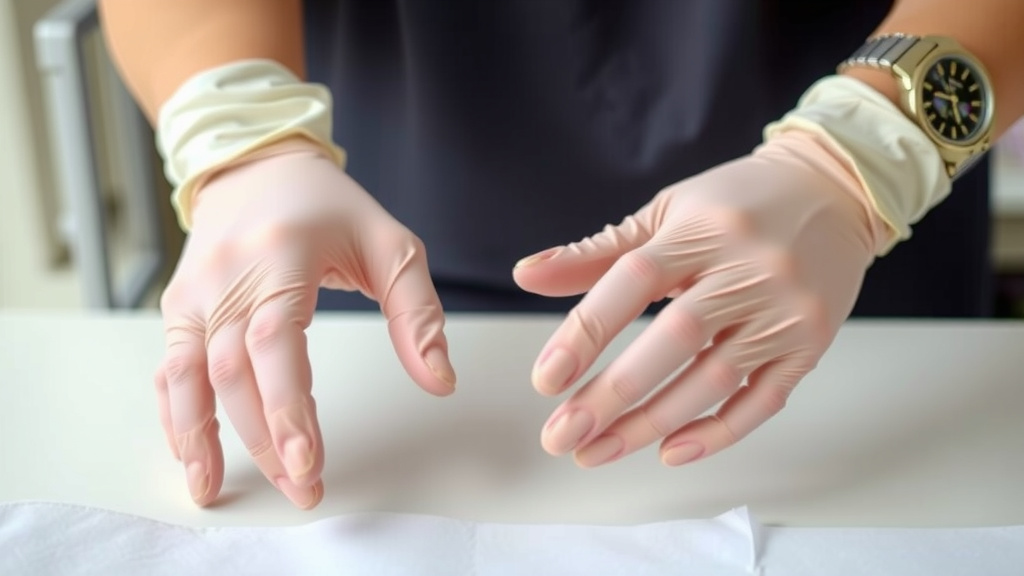
Food service gloves primarily do two important things: they create a hygienic barrier between your hands and the food you handle, and they help prevent cross-contamination from one food item to another. This is essential for keeping customers safe and healthy. They act as a disposable shield, stopping germs from transferring.
Think of them as an extra layer of protection. When you’re working with ready-to-eat foods or different types of ingredients, gloves ensure that germs or allergens aren’t accidentally spread. We found that using them correctly is a key part of food safety. It’s a simple step that makes a big difference in your kitchen.
- They keep food safe by creating a barrier.
- They stop germs from spreading between foods.
- This helps prevent allergic reactions.
- Gloves are an easy way to boost kitchen hygiene.
So, what exactly do these gloves do to keep your kitchen safe? Let’s break down the specifics and why they are so vital for any food operation.
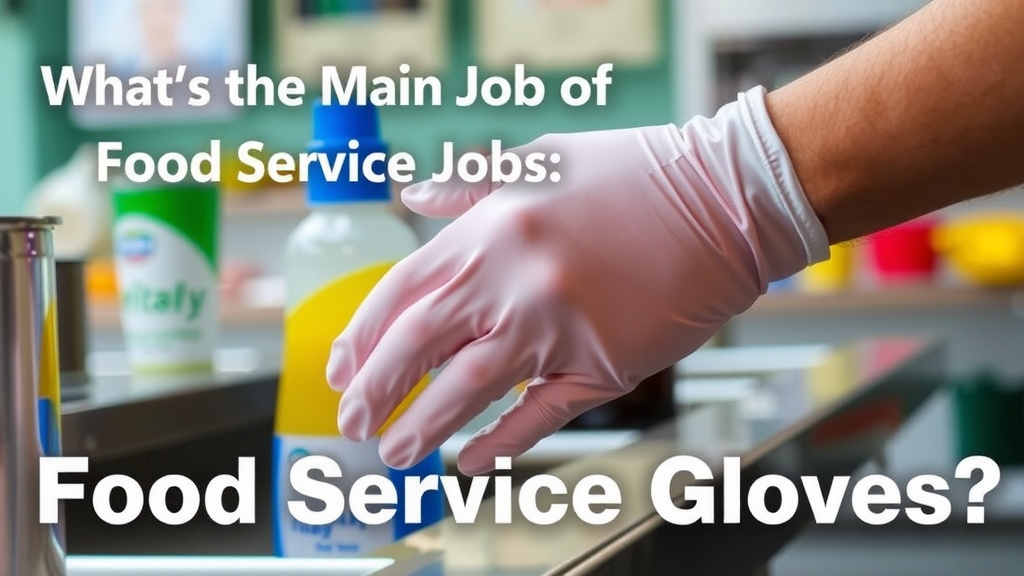
What’s the Main Job of Food Service Gloves?
The primary role of food service gloves is to act as a hygienic shield. They are designed to keep whatever you’re handling clean and safe for consumption. Think of them as a single-use barrier. This barrier prevents direct contact between your bare hands and the food.
This is especially important when you’re dealing with ready-to-eat foods. These are foods that won’t be cooked further before serving. Gloves stop any potential contaminants on your hands from reaching the food. Many food safety guidelines stress this point (CDC).
Preventing the Spread of Germs and Allergens
Beyond just keeping food clean, food service gloves are key players in stopping the spread of harmful things. They help you manage two big risks: germ transmission and allergen cross-contact. Our guide on gloves vs no gloves can help you decide when hand protection is most important.
Stopping Germs in Their Tracks
Our hands can carry all sorts of invisible bacteria and viruses. Even if you wash them thoroughly, some germs might linger. Gloves offer an extra layer of protection. They prevent these microscopic hitchhikers from getting onto the food.
We found that using gloves correctly can reduce the risk of foodborne illnesses. It’s a simple step that has a big impact on customer safety. Imagine handling raw chicken and then moving to a salad. Without gloves, you could easily spread bacteria like Salmonella. Gloves create a barrier, making this transfer much less likely.
Managing Food Allergens Safely
Allergies are a serious concern in food service. Even tiny traces of an allergen can cause a severe reaction. Gloves help prevent allergen cross-contact. This is when an allergen is unintentionally transferred from one food item to another.
For instance, if you’ve been handling peanuts and then prepare a dish for someone with a peanut allergy, gloves are essential. They prevent peanut residue from your hands from getting into that person’s meal. Many experts recommend changing gloves after handling allergens and before preparing food for allergy-sensitive customers (FDA).
When to Change Your Gloves for Allergen Safety
It’s not just about wearing gloves; it’s about using them smartly. You should change your gloves frequently. This includes changing them:
- Before you start handling food.
- When they become torn or contaminated.
- After handling raw meat, poultry, or seafood.
- After touching your face, hair, or other non-food surfaces.
- Between handling different types of food, especially if allergens are involved.
Different Types of Gloves for Different Tasks
Not all food service gloves are created equal. The material and type of glove you choose can depend on the task. Understanding these differences helps you pick the best option for your needs.
Common Glove Materials
You’ll typically see gloves made from a few main materials. Each has its pros and cons:
| Material | Pros | Cons |
|---|---|---|
| Latex | Flexible, good dexterity, comfortable feel. | Risk of latex allergies for staff and customers. Can degrade with certain oils and solvents. |
| Vinyl | Affordable, good for general use, latex-free. | Less durable, can tear easily, may not fit as snugly. Not ideal for heavy-duty tasks. |
| Nitrile | Durable, puncture-resistant, excellent for handling chemicals and oils. Latex-free. | Can be more expensive. Some people find them less breathable. |
| Polyethylene (PE) | Very affordable, often used for light tasks like serving or deli work. Disposable. | Least durable, prone to tearing, not suitable for raw meat handling. Offer minimal protection. |
Choosing the Right Glove for the Job
Your choice of glove should match the task. For example, handling raw meats might call for a durable nitrile glove. This provides better protection against tears and punctures. Vinyl or polyethylene gloves are often fine for tasks like scooping ice or serving bread. Always ensure the gloves are food-grade and approved for use in food preparation.
Best Practices for Using Food Service Gloves
Wearing gloves is only part of the food safety equation. How you use them is just as important. Following proper procedures ensures they actually do their job effectively.
The Importance of Handwashing Before Gloving
This is a step that can’t be stressed enough. You MUST wash your hands thoroughly before putting on any gloves. If you put on gloves with dirty hands, you’re just trapping germs under the glove. These germs can then transfer to the food through any small tears or openings in the glove.
Research consistently shows that proper handwashing is the first line of defense against contamination (World Health Organization). So, before you reach for that box of gloves, take a minute to scrub up.
When to Switch Out Your Gloves
Gloves are not meant to be worn indefinitely. They are disposable tools for a reason. You need to change them regularly to maintain their effectiveness. We found that frequent changing is key.
Here’s a quick checklist for knowing when to swap out your gloves:
- Gloves look dirty or are visibly soiled.
- Gloves have been torn, ripped, or punctured.
- You’ve handled raw meat, poultry, seafood, or eggs and are moving to other foods.
- You’ve touched surfaces that aren’t clean, like equipment handles or your apron.
- You’ve coughed, sneezed, or touched your face or hair.
- You’re moving from one task to a completely different one, especially involving allergens.
Gloves as Part of a Larger Food Safety Plan
It’s important to remember that gloves are not a substitute for good hygiene. They are a tool to supplement other practices. A comprehensive food safety plan includes multiple layers of protection.
This means that alongside wearing gloves, you should also focus on regular handwashing, proper cooking temperatures, effective cleaning and sanitizing of surfaces and equipment, and preventing pest infestations. Food safety is a team effort, and gloves play a vital role within that larger strategy. They are a simple, effective addition to your daily operations.
Conclusion
You’ve learned that food service gloves are essential for keeping your kitchen safe and your customers healthy. They create a vital hygienic barrier, preventing germs and allergens from spreading onto food. Remember, gloves are a key tool, but they work best when you combine them with proper handwashing and frequent glove changes. Make sure you’re choosing the right glove for each task. By following these practices, you’re taking a simple yet powerful step to protect everyone who enjoys the food you prepare. Start implementing these best practices today to boost your kitchen’s safety.
Frequently Asked Questions
Are food service gloves a replacement for handwashing?
No, food service gloves are not a substitute for handwashing. You must always wash your hands thoroughly before putting on gloves. Gloves can trap germs if applied to dirty hands, making them ineffective.
How often should I change my food service gloves?
You should change your gloves whenever they become torn, soiled, or contaminated. Also, switch them when moving between different types of food, especially if dealing with raw meat or allergens.
Can I reuse food service gloves?
Absolutely not. Food service gloves are designed for single use only. Reusing gloves defeats their purpose of creating a hygienic barrier and can spread contamination.
What’s the best type of glove for handling raw chicken?
For handling raw chicken, a durable and puncture-resistant glove like nitrile is recommended. This material offers better protection against tears and helps prevent cross-contamination from raw meat.
Do I need to wear gloves if I’m just serving pre-packaged items?
Generally, gloves are not required for handling only pre-packaged foods. However, it’s always a good practice to consult your local health department regulations, as rules can vary.