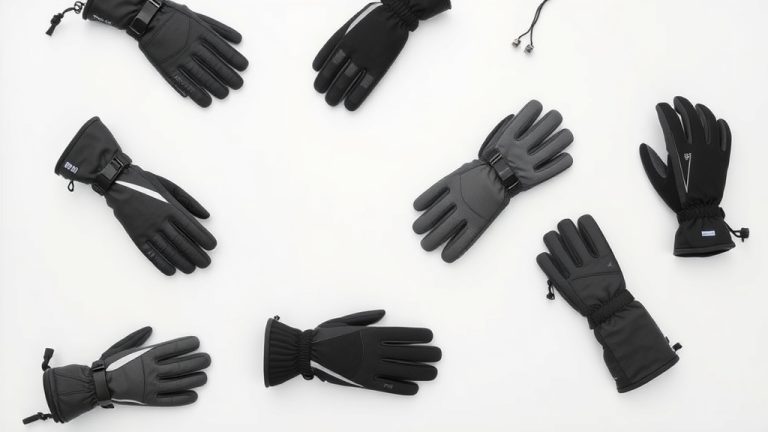
Compression Gloves vs Wrist Brace: Which Is Best for Pain
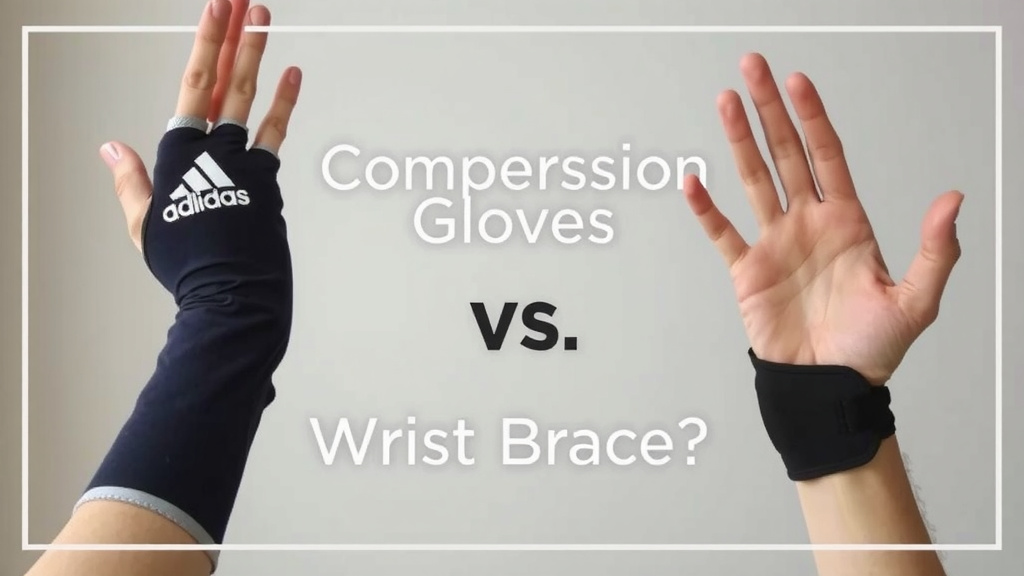
When deciding between compression gloves and wrist braces for support, compression gloves are generally best for mild discomfort and improving circulation, while wrist braces offer more rigid support for injuries like sprains or carpal tunnel syndrome. Both can help, but they target different needs. You might reach for gloves for general achiness and braces for more serious conditions.
We’ve found that understanding the primary function of each is key. Compression gloves apply gentle, even pressure to your entire hand and wrist. Wrist braces, on the other hand, often limit movement and provide targeted stabilization. Your specific condition will determine which tool is the right fit for your situation.
- Compression gloves offer mild support and boost circulation.
- Wrist braces provide stronger, more rigid stabilization.
- Choose gloves for general aches and braces for injuries.
- Consider your specific symptoms when making a choice.
Let’s break down exactly when you’d choose one over the other and what benefits each brings to your hands and wrists.
Understanding Hand and Wrist Support Options
Choosing between compression gloves and wrist braces can feel a bit confusing. You’re likely looking for relief or support for your hand or wrist. Both options can help, but they work in different ways. We found that knowing their main job is the first step.
What Are Compression Gloves?
Think of compression gloves as a gentle hug for your hands. They apply even pressure all around your fingers, palms, and wrists. This gentle squeeze can help improve blood flow. It’s like giving your hands a warm, comforting embrace.
Many people find compression gloves useful for everyday aches. If your hands feel stiff or a little achy after a long day, these could offer some relief. They don’t typically limit your movement much. This means you can usually still perform daily tasks with them on.
Benefits of Compression Gloves
We’ve found that a key benefit is improved circulation. When blood flows more freely, it can help reduce swelling and stiffness. Some users report feeling less pain when wearing them. It’s often recommended for conditions like mild arthritis or general hand fatigue (Cleveland Clinic).
Another plus is their discreet nature. They often look like regular gloves, so you can wear them in many situations without drawing attention. They are also quite flexible, allowing for a good range of motion. You can wear them while typing, crafting, or doing light chores.
What Are Wrist Braces?
Wrist braces are designed for more specific support and stability. They are usually stiffer than gloves. Many braces have metal or plastic stays that help keep your wrist from moving too much. This is their main difference from compression gloves.
They often target a particular area, like the wrist joint itself. Braces are commonly used when there’s an injury or a condition that requires more immobilization. They aim to protect the wrist and allow it to heal properly. Imagine them as a supportive cast that you can take on and off.
When to Consider a Wrist Brace
Wrist braces are often recommended for conditions like carpal tunnel syndrome or sprains. They help by limiting the bending and twisting of the wrist. This can reduce pressure on nerves or injured tissues. Doctors often suggest them to help manage pain and prevent further damage (Mayo Clinic).
Some braces are designed to be worn at night. This is often the case for carpal tunnel syndrome. Wearing a brace while you sleep can prevent your wrist from bending into awkward positions. This can lead to less numbness and tingling in the morning.
Comparing Compression Gloves and Wrist Braces
Let’s break down how they stack up against each other. It’s not really about which one is “better,” but which one is right for your specific needs.
Support Level and Function
Compression gloves offer gentle, uniform pressure. Their main goal is to boost circulation and provide mild support. They are great for feeling snug and comfortable. They don’t significantly restrict your wrist’s movement. You can think of them as a mild boost.
Wrist braces, on the other hand, provide much more rigid support. They are built to immobilize or limit movement. This is crucial for healing certain injuries. They offer targeted stabilization where it’s needed most.
Best Use Cases
We’ve found that people often reach for compression gloves for:
- General hand stiffness and achiness.
- Mild symptoms of arthritis.
- Improving blood flow after activity.
- Slight swelling in the hands.
- Comfort during everyday tasks.
Wrist braces are typically recommended for:
- Recovering from wrist sprains or strains.
- Managing carpal tunnel syndrome symptoms.
- Post-surgery recovery where immobilization is needed.
- Tendinitis or other inflammatory conditions requiring rest.
- Preventing re-injury during specific activities.
Comfort and Mobility
Compression gloves are usually made of soft, stretchy fabric. They feel comfortable for extended wear. You can easily move your fingers and grip objects. They are designed to be worn throughout the day.
Wrist braces can be less comfortable for long periods. Their rigidity can feel restrictive. Some people find them bulky, especially under clothing. They are often worn for specific periods, like during sleep or while recovering from an injury. Mobility will be significantly reduced.
| Feature | Compression Gloves | Wrist Braces |
|---|---|---|
| Primary Function | Improve circulation, mild support | Stabilize, immobilize, limit movement |
| Support Level | Mild, even pressure | Moderate to rigid, targeted |
| Mobility Impact | Minimal restriction | Significant restriction |
| Common Uses | General aches, stiffness, circulation issues | Injuries, carpal tunnel, tendinitis |
| Material | Soft, stretchy fabric | Fabric with added stays (metal/plastic) |
When to Seek Professional Advice
It’s always a good idea to talk to a doctor or physical therapist. They can help diagnose your specific issue. They can then recommend the best support for you. For instance, persistent pain or swelling needs professional evaluation. They can rule out more serious conditions.
Your healthcare provider can guide you. They might suggest a specific type of brace or glove. They can also advise on how long to wear it. This personalized advice is often more effective than guessing.
A Quick Checklist for Your Decision
To help you decide, ask yourself these questions:
- Is my pain mild and general, or sharp and specific?
- Do I need to keep my hand flexible for daily tasks?
- Am I dealing with a diagnosed injury or condition?
- Is improving circulation a primary goal for me?
- Do I need to limit movement to allow for healing?
- Is comfort for all-day wear more important than rigid support?
Conclusion
Choosing between compression gloves and wrist braces boils down to your specific needs. If you’re dealing with general stiffness or want to boost circulation, compression gloves offer gentle, all-day comfort. For more serious issues like injuries or carpal tunnel syndrome, a wrist brace provides the necessary rigid support and immobilization for healing. We’ve found that understanding the difference in their primary functions — mild support versus stabilization — is the key. Don’t guess; consider your symptoms carefully. If you’re unsure, your best next step is to consult with a doctor or physical therapist. They can provide personalized advice for your hand or wrist health.
Frequently Asked Questions
Can I wear compression gloves all day and night?
Generally, compression gloves are designed for comfortable wear throughout the day. Wearing them overnight is usually not recommended unless specifically advised by a healthcare professional, as it could restrict circulation. Check the product’s instructions for guidance.
Will a wrist brace stop my pain completely?
A wrist brace is designed to limit movement and provide support, which can significantly reduce pain, especially for injuries or conditions like carpal tunnel. However, it often works best as part of a larger treatment plan that might include rest, therapy, or medication.
Are compression gloves good for arthritis pain?
Many people with mild arthritis find relief from the gentle pressure and improved circulation that compression gloves provide. They can help reduce stiffness and achiness. However, for more severe arthritis, you might need stronger support or medical intervention.
How do I know if I need a brace instead of gloves?
If you experience sharp, specific pain, swelling from an injury like a sprain, or have been diagnosed with a condition like carpal tunnel syndrome, a wrist brace is likely more appropriate. Gloves are better suited for mild, diffuse discomfort or circulation issues.
Can I still use my phone or type with a wrist brace on?
Most wrist braces are designed to limit wrist movement, which may make fine motor tasks like typing or using a phone more difficult. Some braces are more flexible than others, but significant restriction is common. You might need to remove the brace for these activities.