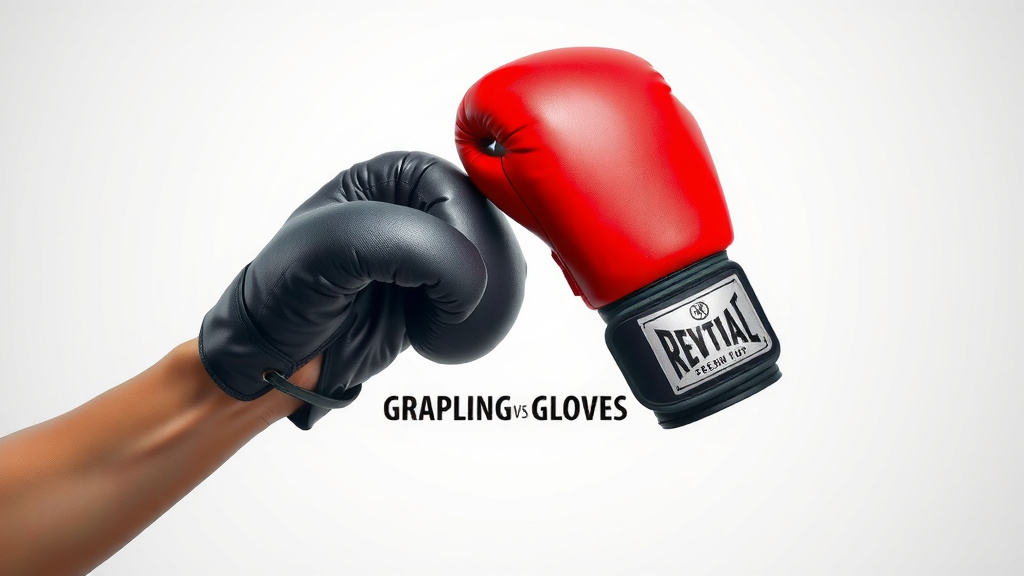
Grappling Gloves vs Boxing Gloves: What’s the Difference
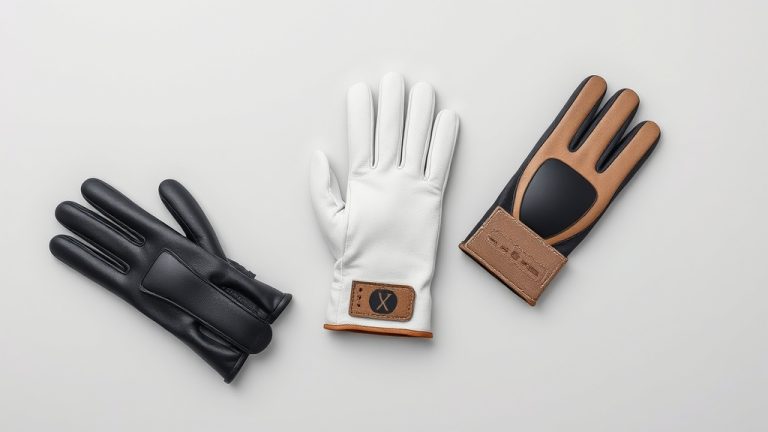
When choosing between grappling gloves and boxing gloves, the key difference lies in their purpose. Boxing gloves are designed to protect your hands and your opponent’s face, offering substantial padding. Grappling gloves, on the other hand, are much thinner and allow for a better grip, which is essential for techniques like chokes and joint locks in sports like Brazilian Jiu-Jitsu.
While both are gloves used in combat sports, their construction reflects the distinct demands of each discipline. Boxing focuses on striking, so padding is paramount for both safety and power. Grappling emphasizes holds and submissions, making dexterity and grip the top priorities for your gloves. Understanding this core difference will guide your choice.
- Boxing gloves = more padding, less grip, for striking.
- Grappling gloves = less padding, better grip, for holds.
- Gloves are designed for the specific needs of each sport.
- Your training goals determine the best glove for you.
Let’s break down the main differences and help you pick the right pair for your training.
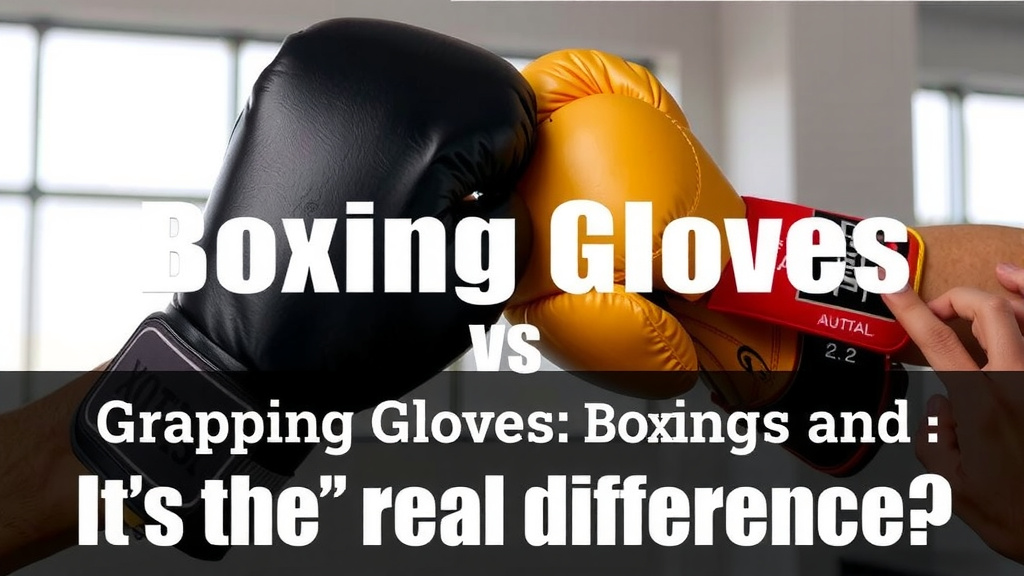
“`htmlBoxing Gloves vs. Grappling Gloves: What’s the Real Difference?
When you’re stepping onto the mats or into the ring, the gear you wear makes a huge difference. You might be wondering about the gloves. Are all gloves created equal for combat sports? Absolutely not! Boxing gloves and grappling gloves look similar, but they serve very different purposes.
Understanding the Core Purpose of Each Glove
Think of it this way: a hammer and a screwdriver are both tools. You wouldn’t try to hammer a nail with a screwdriver, right? It’s the same with these gloves. Boxing gloves are built for striking. Grappling gloves are designed for holding and controlling.
The Science Behind Boxing Glove Design
Boxing gloves are all about protecting your hands and your opponent. They have a lot of padding. This padding is meant to absorb the shock when you punch. It helps prevent injuries to your knuckles and wrists. It also makes punches less damaging to the person on the receiving end (though they still hurt!). Many boxing organizations require gloves of a certain weight, often 10-16 ounces, to ensure safety (Association of Boxing Commissions).
The Mechanics of Grappling Glove Construction
Grappling gloves are the opposite. They have very little padding. Their main job is to give you a better grip. In sports like Brazilian Jiu-Jitsu or MMA, you need to grab, hold, and lock. Thin gloves allow your fingers to move freely. They let you get a solid hold on an opponent’s gi, limbs, or body. This grip is vital for executing techniques like takedowns, chokes, and joint locks.
Key Differences in Construction and Function
Let’s get into the nitty-gritty of how these gloves are made and why it matters for your training.
Padding: More is More (for Boxing)
The most obvious difference is the amount of padding. Boxing gloves are like pillows for your hands. They are stuffed with foam or other materials to cushion impacts. This padding is distributed throughout the glove, especially over the knuckles. You’ll find that boxing gloves feel bulky. This bulk is exactly what you want when you’re throwing punches.
Grip and Dexterity: The Grappler’s Advantage
Grappling gloves, however, are sleek. They often have an open-finger design or very minimal padding. This allows for maximum dexterity. Your fingers can move and grip independently. You can feel the texture of your opponent’s clothing or skin. This tactile feedback is essential for maintaining control during a scramble. Imagine trying to apply a submission with thick, padded gloves – it would be nearly impossible!
Material Matters: Durability and Feel
Both types of gloves are usually made from leather or synthetic materials. However, the way the materials are used differs. Boxing gloves often have a tougher outer shell to withstand repeated impact. Grappling gloves might use materials that offer a bit more grip, even when sweaty. Some grappling gloves even have textured palms. This helps prevent slips when you’re trying to hold onto someone.
Fit and Feel: What to Expect
When you put on boxing gloves, they feel snug but slightly restrictive. Your fist is often held in a specific position. This is to help you form a proper fist for punching. Grappling gloves feel more like an extension of your own hand. They should fit snugly around your wrist and fingers, but not feel tight. You should be able to move your fingers and thumbs with ease.
When to Choose Which Glove: Your Training Goals
Your training goals are the biggest deciding factor. What sport are you training for? What techniques will you be practicing?
For Striking Sports: Stick with Boxing Gloves
If your training involves punching, kicking, or other striking techniques, boxing gloves are your go-to. This includes:
- Boxing
- Kickboxing
- Muay Thai
- Some forms of MMA training
These gloves protect your hands and reduce the force of impacts. This is crucial for sparring safely. Remember, your training partners will thank you for using appropriate gear!
For Grappling Disciplines: Grappling Gloves are Key
If your focus is on holds, submissions, and takedowns, you need grappling gloves. These are essential for:
- Brazilian Jiu-Jitsu (BJJ)
- No-Gi Jiu-Jitsu
- Wrestling
- Some forms of MMA training
The improved grip and dexterity are non-negotiable for these arts. Trying to grapple effectively without the right gloves can be frustrating and even dangerous, as poor grip can lead to accidental injuries.
Can You Use One for the Other? (Generally, No!)
While you might see some MMA gloves that try to bridge the gap, using boxing gloves for grappling or grappling gloves for boxing is usually a bad idea. Boxing gloves are too bulky and will hinder your grip. Grappling gloves lack the necessary padding, making striking dangerous for your hands and your partner.
Quick Checklist: Glove Choice Guide
Before you buy, ask yourself these quick questions:
- Are you primarily punching?
- Do you need to grip and control an opponent?
- What sport are you training?
- Is hand and wrist protection a top priority for impact?
- Is finger dexterity and grip strength crucial for your techniques?
- What gear does your gym or instructor recommend?
| Feature | Boxing Gloves | Grappling Gloves |
|---|---|---|
| Primary Purpose | Striking & Impact Absorption | Grip & Control |
| Padding | High (for protection) | Low (for dexterity) |
| Finger Movement | Limited | High (often open-finger) |
| Grip | Poor | Excellent |
| Best For | Boxing, Kickboxing, Striking | BJJ, Wrestling, Grappling, MMA |
Conclusion
So, you’ve seen how boxing gloves and grappling gloves are worlds apart. Boxing gloves offer that essential padding for striking power and hand safety. Grappling gloves prioritize grip and dexterity for holds and submissions. Your training goals are the compass guiding your choice. Trying to do one sport with the wrong gloves just won’t cut it. Always prioritize the gear designed for the techniques you’ll be using most. Head to your local fight shop or check reputable online retailers to find the perfect pair that matches your discipline.
Frequently Asked Questions
Can I wear grappling gloves for boxing training?
Generally, no. Grappling gloves lack the substantial padding boxing gloves have. This means your hands and your training partners are at higher risk of injury during striking. They are designed for grip, not impact absorption.
Are boxing gloves too bulky for grappling?
Yes, boxing gloves are often too bulky for effective grappling. Their thick padding hinders your ability to grip opponents, secure holds, or perform submissions. You’ll find it much harder to maintain control and execute techniques.
What kind of gloves are best for MMA?
MMA training often calls for specialized MMA gloves, which try to balance protection and grip. However, if you’re focusing heavily on striking, boxing gloves are better. If your focus is wrestling or BJJ, then grappling gloves are more appropriate for that aspect of your training.
How do I know if my grappling gloves fit correctly?
Your grappling gloves should fit snugly like a second skin, but not be restrictive. You should be able to fully extend your fingers and make a fist comfortably. There shouldn’t be any excessive movement or slipping inside the glove during training.
Will grappling gloves protect my knuckles when striking?
Grappling gloves offer minimal protection for your knuckles. They are not designed to absorb the impact of punches. If you plan on doing any striking, even light sparring, it’s best to use proper boxing or kickboxing gloves for hand safety.