First Base vs Outfield Glove: Which is Right for You
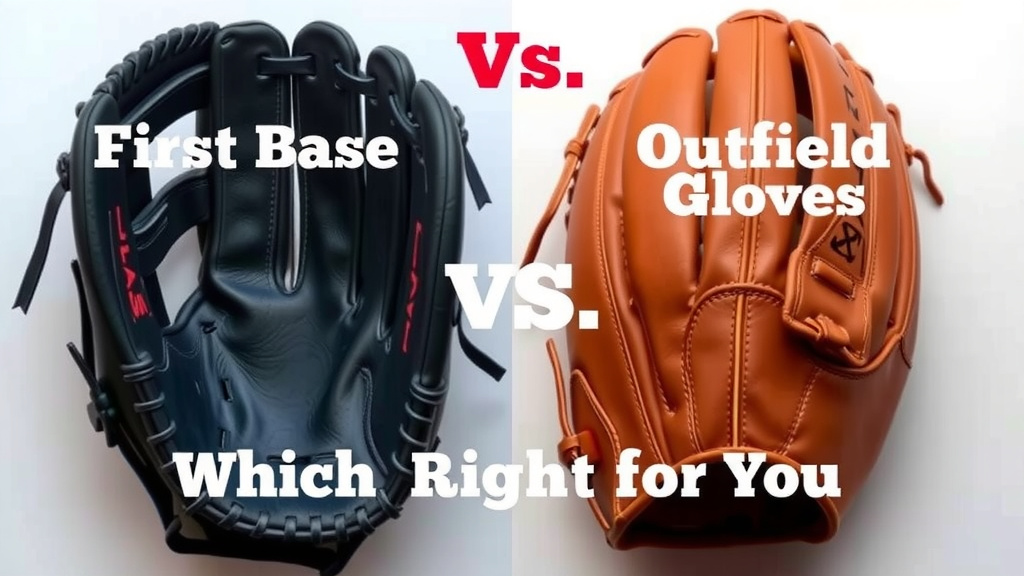
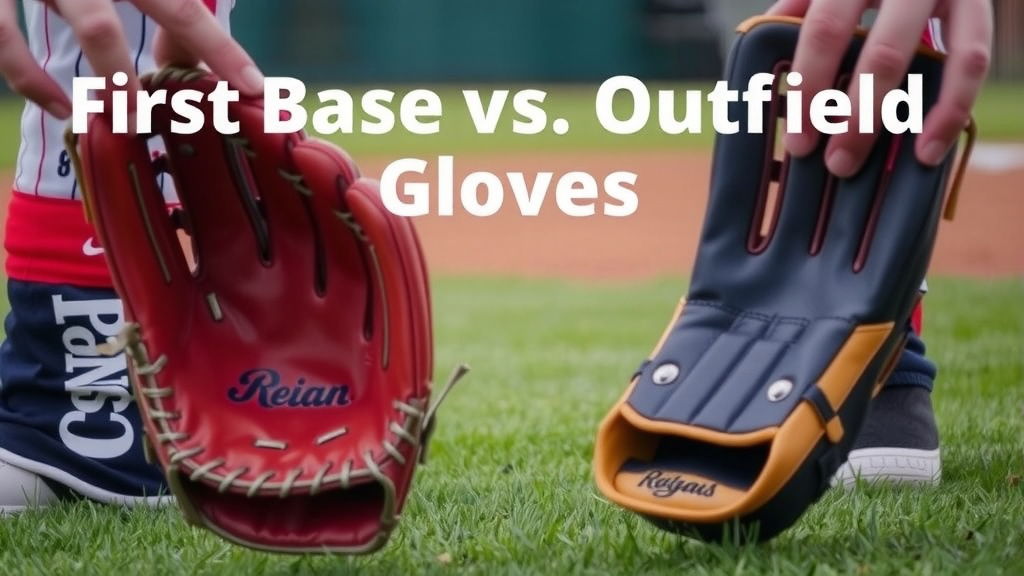
When choosing between a first base glove and an outfield glove, you need to know the key differences in their design. A first base mitt is larger and more padded to help snag errant throws and dig ground balls out of the dirt. An outfielder’s glove is typically longer and shallower, built for speed and securing fly balls.
While both are baseball gloves, their construction is tailored to specific defensive needs. Your first baseman needs a glove that can scoop and secure the ball quickly. Your outfielder needs a glove that can help them track down deep fly balls. Understanding these roles helps you pick the right tool for the job.
- First base mitts are bigger and more padded.
- Outfield gloves are longer and shallower.
- Mitts help snag throws and dig balls.
- Outfield gloves aid in tracking fly balls.
- The glove choice impacts your defensive plays.
Let’s walk through exactly what makes each glove unique so you can make the best choice for your game.
Understanding Glove Designs for Different Field Positions
Choosing the right glove makes a huge difference on the field. You’ve probably seen different gloves out there. Some look bigger and rounder, while others are longer and sleeker. These designs aren’t just for looks; they’re built for specific jobs. We’re going to break down what makes a first base glove and an outfield glove distinct. This will help you pick the perfect glove for your position.
The First Base Mitt: Your Defensive Wall
Think of the first base mitt as a sturdy wall. Its main job is to help the first baseman catch throws from anywhere on the field. It also needs to scoop up ground balls that might be low or moving fast. This means the glove has to be forgiving and reliable, even on slightly off-target throws.
Size Matters: Bigger is Better for First Basemen
First base mitts are noticeably larger than regular fielder’s gloves. They typically range from 12 to 13 inches. This extra size gives the first baseman a bigger target for infielders to aim for. It also helps cover more of the plate when a runner is sliding. The larger surface area means fewer errant throws will bounce off and lead to errors. You want to give your infielders the best chance to make a clean out.
Padding and Design: Built for Impact and Stability
You’ll find that first base mitts have extra padding. This padding is crucial. It helps absorb the shock of hard throws coming from across the diamond. It also makes the mitt more rigid, which is important for scooping. A stiffer glove can cut under a low ground ball more effectively. Many first base mitts don’t have individual finger stalls like other gloves. Instead, the mitt is a large, padded pocket.
Why No Individual Fingers?
This one-piece design, often called a “mitt,” helps create that large, stable pocket. It’s less about fine motor control for snagging fly balls and more about creating a reliable catching surface. The lack of finger separation contributes to its ability to trap balls and prevent them from popping out. It’s built for function over form, prioritizing secure catches.
The Catcher’s Mitt Comparison
While they look similar, a first base mitt differs from a catcher’s mitt. Catcher’s mitts are even more heavily padded. They are designed to absorb pitches thrown at high speeds directly at the catcher. A first base mitt is built more for scooping and catching throws from various angles. Both are round and padded, but their specific construction serves different defensive needs. A first base mitt has a bit more length to help reach for throws.
The Outfield Glove: Speed and Reach
Now, let’s talk about outfield gloves. These are designed for speed and covering a lot of ground. Outfielders need to chase down fly balls, often running at full speed. Their glove needs to help them secure those balls while they’re on the move. It’s all about making quick plays and getting to the ball fast.
Length and Pocket Depth: Reaching for the Stars
Outfield gloves are typically longer than infield gloves. You’ll see them range from 11.5 inches up to 13 inches, and sometimes even larger for professional players. This extra length gives outfielders a bit more reach. It helps them snag fly balls that are just out of their normal reach. The longer finger design also provides a larger catching surface area. Our guide to glove sizes for adults can help you find the right fit.
Shallower Pockets for Quick Transfers
Unlike first base mitts, outfield gloves usually have a shallower pocket. Why? This makes it easier for outfielders to transfer the ball quickly from their glove to their throwing hand. Once they catch a fly ball, they need to get rid of it fast to throw out a runner. A shallow pocket allows for a more immediate release. It’s a key design feature for playing the outfield effectively.
Flexibility and Weight: Agility is Key
Outfield gloves are often designed to be more flexible than a first base mitt. This flexibility allows the glove to close more easily around a fly ball. They also tend to be lighter. Lighter gloves mean less fatigue for the outfielder over a long game. This agility is vital for making those diving catches or reaching high for pop-ups. Think of it like a sprinter’s shoes versus a weightlifter’s boots. Our guide to infield and outfield gloves can help you choose.
Key Differences at a Glance
Let’s sum up the main distinctions. It’s helpful to see them laid out side-by-side. This helps you quickly understand what makes each glove unique for its role on the field.
| Feature | First Base Mitt | Outfield Glove |
|---|---|---|
| Size | Larger (12-13 inches) | Longer (11.5-13+ inches) |
| Deep and padded | Shallower | |
| Padding | Heavy, for impact absorption | Moderate, for flexibility |
| Finger Design | Often one large pocket | Individual finger stalls |
| Primary Use | Scooping throws, digging balls | Catching fly balls, reaching |
Making Your Choice: What’s Right for You?
The biggest factor in choosing between a first base mitt and an outfield glove is your position on the field. If you’re playing first base, a first base mitt is almost always the way to go. Its design is specifically for the unique demands of that position. You need that big target and extra padding. It helps you secure those crucial outs.
When an Outfield Glove is Your Go-To
If you’re patrolling the outfield – left, center, or right field – then an outfielder’s glove is your best friend. Its length helps you reach for those deep fly balls. The shallower pocket ensures you can get the ball out quickly to make a play at the plate or to stop runners advancing. Speed and range are your allies out there.
Can You Use Them Interchangeably?
Generally, no, it’s not recommended. While a player might technically *catch* a ball with the wrong glove, it significantly hinders their performance. An infielder trying to use an outfield glove might struggle with quick transfers. A first baseman using a regular fielder’s glove would have a much smaller target and less padding for errant throws. Each glove is a specialized tool.
Glove Care Tips for Longevity
No matter which glove you choose, taking care of it is important. This ensures it performs well for a long time. You want your glove to feel like an extension of your hand.
- Conditioning: Regularly apply a small amount of glove conditioner. This keeps the leather supple and prevents cracking. Too much oil can make the glove heavy, though!
- Storage: Store your glove in a dry place. Avoid extreme heat or cold. Some players use a glove wrap or a special bag to help it keep its shape.
- Breaking In: All new gloves need a break-in period. This involves working the leather to make it more pliable. There are many methods, from playing catch to using specialized tools.
- Keep it Dry: If your glove gets wet, let it air dry naturally. Don’t use heat sources like ovens or hairdryers.
A well-maintained glove performs better. It also lasts much longer, saving you money in the long run. Think of it as an investment in your game.
Final Check: Are You Ready to Choose?
You’ve learned about the distinct features of first base mitts and outfield gloves. Now you know why they are designed the way they are. It all comes down to the specific needs of each position on the diamond. With this knowledge, you can confidently select the glove that will best support your defensive plays and help you excel.
- Identify your primary playing position.
- Consider the size and padding needed.
- Think about pocket depth for transfers.
- Factor in glove weight and flexibility.
- Choose the glove built for your role.
Conclusion
You’ve learned that choosing between a first base mitt and an outfield glove isn’t about preference, it’s about purpose. The larger, padded first base mitt is your defensive wall, designed for scooping and snagging tough throws. The longer, shallower outfield glove is built for speed and reach, helping you chase down fly balls. Understanding these core differences ensures you pick the right glove to perform your best. Now, take that knowledge to the field and make those winning plays!
Frequently Asked Questions
Can I use my outfield glove at first base?
It’s generally not recommended. A first base mitt offers the much larger target and extra padding needed for scooping throws. Using an outfield glove would make it harder to snag those errant throws and could be tougher on your hand.
Is a first base mitt good for playing other infield positions?
No, a first base mitt is very specialized. Its large size and deep pocket are designed for the unique demands of first base. For other infield positions, you’ll want a standard infielder’s glove that allows for quicker transfers.
How long should my outfield glove be?
Outfield gloves typically range from 11.5 to 13 inches, with some professional models even longer. The extra length is key for giving you more reach to catch deep fly balls. Consider your own reach and playing style when choosing the size.
Why do outfield gloves have shallower pockets?
A shallower pocket on an outfield glove allows for a quicker ball transfer. Once you catch a fly ball, you need to get it to your throwing hand as fast as possible to make a play on a runner. This design helps minimize the time it takes to get the ball out.
Do I need a different glove if I play both outfield and first base?
Yes, ideally you would. If you play both positions regularly, you’ll want a dedicated first base mitt for first base duties and an outfield glove for the outfield. Using the specialized glove for each role will improve your performance and consistency.