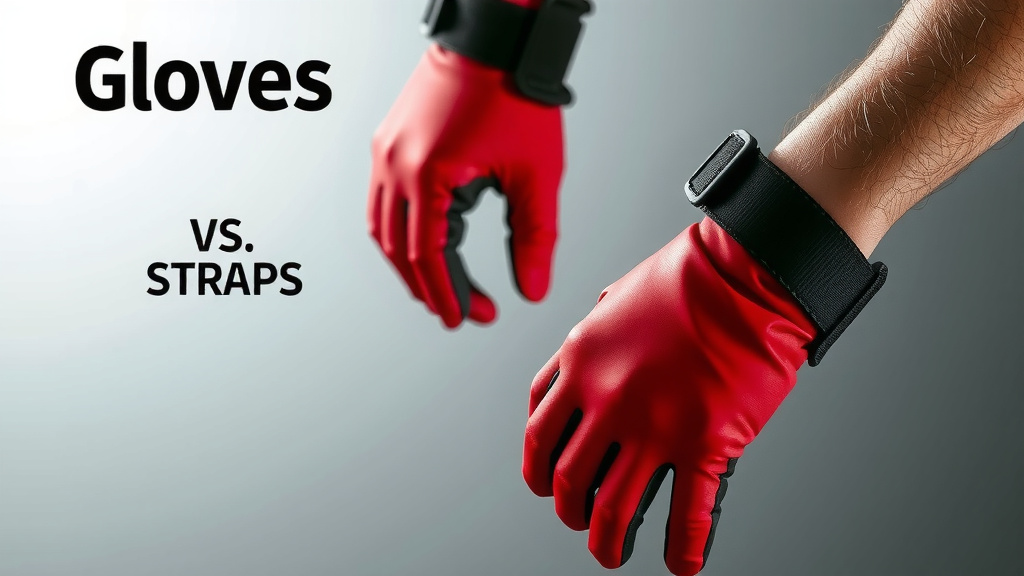
Gloves vs Straps: Which Lifting Aid is Best for You
When deciding between weightlifting gloves and lifting straps, it really depends on your primary goal. Gloves offer hand protection and grip, while straps focus on enhancing your hold for heavy pulling movements. Neither is inherently “better”; they serve different purposes in your training.
Many lifters find gloves useful for protecting their palms from calluses and blisters during high-rep workouts or general gym use. Straps, on the other hand, are typically reserved for exercises like deadlifts or rows where grip strength becomes the limiting factor. We’ve seen many people use both, but at different times.
- Gloves: Better for hand protection and general grip.
- Straps: Best for heavy lifts that tax your grip.
- Your goal dictates the best choice.
- You might use both, depending on the exercise.
Let’s break down the pros and cons of each to help you decide which is the right tool for your next gym session.
You’re wondering if weightlifting gloves or lifting straps are the way to go for your workouts. It’s a common question, and the answer truly hinges on what you’re trying to achieve in the gym. Think of them as specialized tools, each designed for a different job. We’ve looked into this, and here’s what you need to know to make the best choice for your training.
Deciding Between Hand Protection and Grip Enhancement
Choosing between gloves and straps depends on your primary training goals. Are you looking to protect your hands or lift heavier weights? Let’s break them down.
The Case for Weightlifting Gloves
Weightlifting gloves are designed to offer a layer of protection and improve your grip on the bar. They can be a great addition for many gym-goers. They provide a physical barrier between your hands and the equipment. This can prevent common issues like calluses and blisters. For workouts with a lot of reps or exercises involving bar contact, this protection is key. Many people find they can push through more reps with gloves on. They offer a consistent surface for your hands to grip. This can be especially helpful if your hands tend to get sweaty.
Benefits of Using Gloves
The main draw of gloves is their ability to shield your hands. This means fewer painful calluses and less risk of tearing your skin. You’ll find they can make exercises feel more comfortable. This comfort can lead to longer, more productive workout sessions. They also offer a bit of extra padding. This can be nice for exercises like machine chest presses or even some dumbbell work. The improved grip can also give you more confidence when lifting.
When Gloves Might Not Be the Best Fit
While gloves offer protection, they can sometimes interfere with your natural feel for the bar. Some lifters find that gloves add bulk. This can make it harder to get a precise grip on lighter weights or during certain Olympic lifts. For very heavy, explosive movements, some athletes prefer the direct skin-on-bar contact. They feel it gives them better proprioception. It’s a trade-off between protection and feel. Also, they can get sweaty and need regular washing. This is a small inconvenience but worth noting.
The Role of Lifting Straps
Lifting straps are a different beast entirely. Their sole purpose is to help you hold onto heavier weights for longer. They are not about hand protection. Instead, they are about overcoming grip limitations. When you’re doing heavy deadlifts, rows, or shrugs, your grip might give out before your muscles do. Straps solve this problem. They essentially become an extension of your hands.
How Straps Work Their Magic
Straps wrap around the bar and then around your wrist. This creates a secure loop. When you grip the bar and pull up, the strap tightens. It anchors the weight to your hand. This means your forearm and hand muscles don’t have to work as hard just to hold on. You can then focus more on the muscles you’re actually trying to train, like your back or hamstrings. Many experts suggest using straps strategically for your heaviest sets. This allows you to lift more weight and stimulate muscle growth effectively (National Strength and Conditioning Association).
When Straps Are Your Best Friend
Straps shine during exercises where grip strength is the bottleneck. Think heavy Romanian deadlifts, rack pulls, or farmer’s walks. If you find yourself dropping weights not because you’re weak, but because your hands can’t hold on, straps are likely your answer. They allow you to push your posterior chain or back training further. This can lead to significant strength and size gains. They are especially useful for building a bigger back. You can do more reps on rows and pull-ups with straps.
Potential Downsides of Strap Usage
The main concern with straps is that they can lead to a dependency on grip strength. If you use straps for every single pulling exercise, your natural grip strength might not develop as much. It’s like always using a calculator; you might forget how to do basic math. For this reason, many trainers recommend using straps only when necessary. This means for your heaviest sets or when grip fatigue is a genuine issue. Avoid using them for warm-up sets or lighter accessory work. You want to build a strong, capable grip over time.
Gloves vs. Straps: A Quick Comparison Table
To help you visualize the differences, here’s a simple breakdown:
| Feature | Weightlifting Gloves | Lifting Straps |
|---|---|---|
| Primary Purpose | Hand protection, grip enhancement | Overcome grip limitation for heavy lifts |
| Best For | High-rep workouts, general gym use, preventing calluses | Heavy deadlifts, rows, rack pulls, shrugs |
| Potential Drawback | Can reduce bar feel, might add bulk | Can lead to grip dependency, less direct feel |
| Grip Focus | Improves overall grip consistency | Replaces grip strength for holding weight |
Making the Right Choice for Your Workouts
So, which one should you pick? It really comes down to your individual needs and workout style. For general fitness, circuit training, or if you’re really bothered by hand calluses, gloves might be your go-to. They offer that all-around protection and a bit of grip help. If you’re serious about strength training, especially focusing on heavy compound lifts like deadlifts, straps are likely a more beneficial tool. They allow you to break through plateaus caused by grip failure.
Many lifters find that they don’t have to choose just one. You might use gloves for your lighter days or accessory work. Then, you might switch to straps for your heaviest sets of deadlifts or rows. This way, you get the best of both worlds: hand protection when you need it and the ability to lift maximal weight when you’re pushing your limits. It’s about using the right tool for the right job. Don’t be afraid to experiment. See what feels best for your hands and your performance.
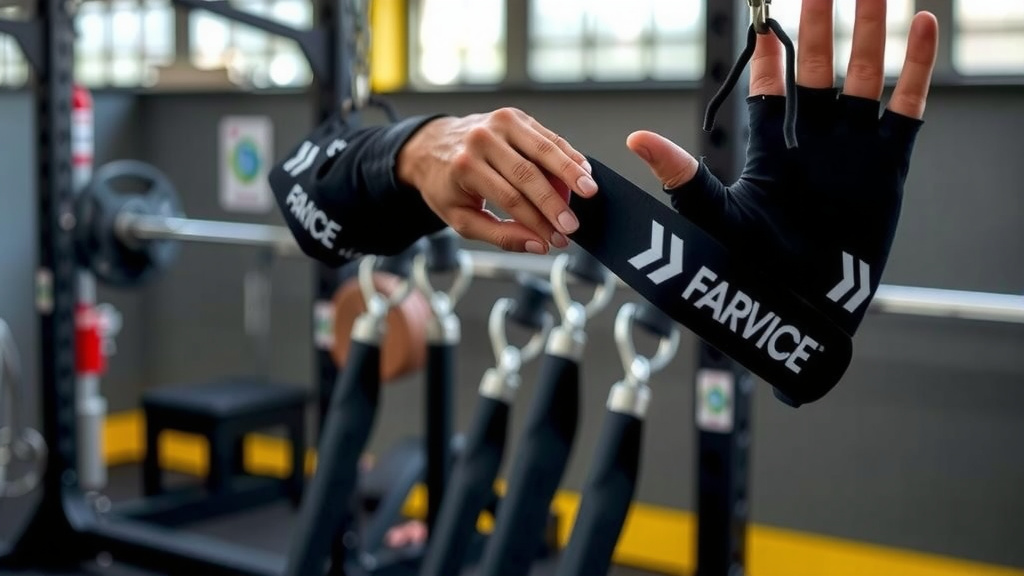
Your Training Checklist: Gloves or Straps?
Here’s a quick way to decide what might be best for you right now:
- Do your hands get sore or blister easily?
- Are you struggling with high-rep sets where grip fails first?
- Do you want extra padding for general gym equipment?
- Are you focused on lifting your absolute heaviest weights in specific exercises?
- Is grip strength the main limiting factor in your major lifts?
- Do you want to protect your palms from rough barbells?
Conclusion
You’ve learned that weightlifting gloves and lifting straps serve different purposes in your training. Gloves are your go-to for hand protection and a consistent grip during high-rep or general gym work. Straps are designed to help you conquer heavy pulling exercises by bypassing grip limitations. Neither is a magic bullet for every situation. Your training goals should guide your choice. For optimal results, consider when and why you’d use each tool. Next time you’re in the gym, think about your specific workout and choose the tool that best supports your performance and safety goals.
Frequently Asked Questions
Can I use weightlifting gloves and lifting straps together?
Yes, many lifters use both gloves and straps, but usually not for the same exercise. You might wear gloves for accessory work or lighter days to protect your hands. Then, you could switch to straps for your heaviest deadlift or row sets when grip is the limiting factor. This approach offers both protection and the ability to lift maximal weight.
Will wearing gloves make my hands weaker?
Gloves primarily offer protection and can improve grip consistency, but they generally don’t weaken your hands. However, some argue that prolonged use, especially for lighter exercises, might slightly reduce the need for your hands to work as hard. It’s about finding a balance for your specific training.
How do I know if my grip is the problem with heavy lifts?
If you can’t complete your target repetitions on exercises like deadlifts or rows because your hands can no longer hold the weight, even though your muscles feel capable of more, then your grip is likely the limiting factor. This is where straps can be very beneficial.
Are lifting straps bad for developing grip strength?
Lifting straps can reduce the demand on your natural grip strength. If you rely on them for every heavy lift, your grip might not develop as much as it could. Trainers often recommend using straps strategically for your heaviest sets or when grip fatigue is a major concern, rather than for all pulling exercises.
Which is better for preventing calluses: gloves or straps?
Weightlifting gloves are designed specifically to protect your hands and prevent calluses and blisters. Lifting straps do not offer this protection. Their purpose is solely to help you lift heavier weights by reinforcing your grip, not to shield your skin.