How Are Softball Gloves Measured For The Perfect Fit
Softball gloves are measured from the tip of the index finger to the heel of the glove. This measurement is usually done in inches. Most youth gloves fall between 9 and 11 inches. Adult gloves are typically 11.5 inches or larger. Getting the right size is key for a good fit.
Understanding glove sizing helps you pick the best one for your position. Infielders often prefer smaller gloves for quick transfers. Outfielders might want larger gloves for better reach. Catchers and first basemen use specialized mitts, not gloves. We found that the correct glove size makes a big difference in your game.
- Softball gloves are measured in inches.
- The measurement goes from the index finger tip to the heel.
- Youth sizes range from 9-11 inches.
- Adult sizes start at 11.5 inches and go up.
- Position on the field affects the ideal glove size.
Let’s walk through exactly how to measure your softball glove to find the perfect fit for your needs.
How to Properly Size Your Softball Glove
Finding the right softball glove size is essential for performance and comfort. It’s not just about grabbing the first glove you see. We found that a properly sized glove can make a real difference in how well you field the ball.
Think of your glove as an extension of your hand. If it’s too big, the ball might sink into it, making quick transfers harder. If it’s too small, you might not be able to catch the ball cleanly. Many players find that the right fit feels natural and secure.
Understanding the Glove Measurement Method
So, how do manufacturers measure these gloves? It’s pretty straightforward, really. The standard method involves a ruler or tape measure.
Measuring from Index Finger to Heel
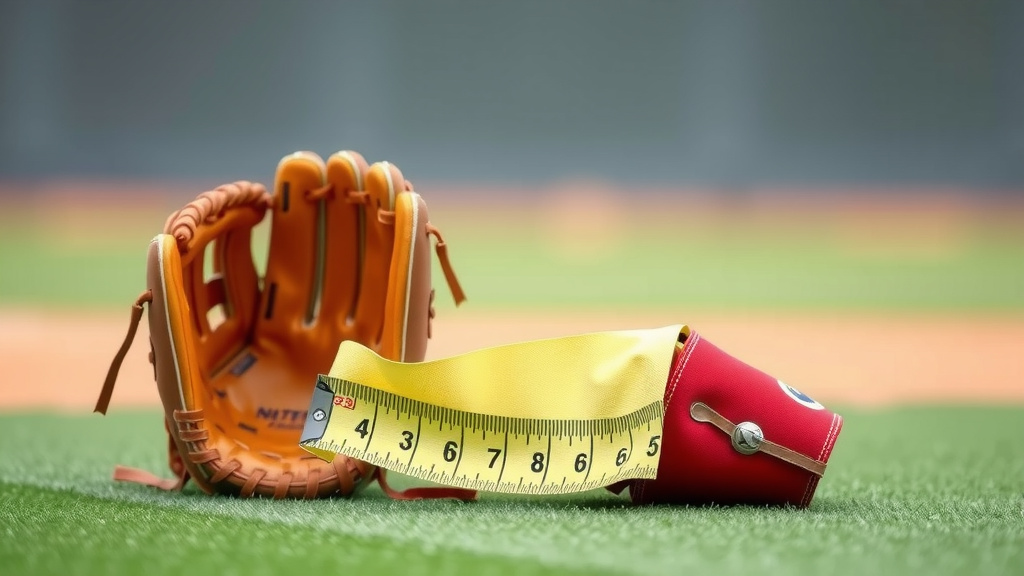
The common practice is to measure from the tip of the index finger, along the pocket, all the way down to the heel of the glove. This is where the glove’s length is determined. You’ll see sizes listed in inches, like 10.5 inches or 12 inches.
Why This Measurement Matters
This specific measurement gives you the overall length of the glove’s pocket. It’s crucial because it dictates how much space you have to catch the ball. A longer glove, for example, offers a larger catching surface.
Glove Sizing by Age and Player Level
The size you need often depends on who’s wearing the glove and what they’ll be doing with it. Youth players typically need smaller gloves than adult players.
Youth Softball Glove Sizes
For younger players, you’ll often find gloves ranging from 9 inches to 11 inches. This range covers most little league and youth softball players. A smaller glove is easier for a child to control and close.
Adult Softball Glove Sizes
Adult gloves generally start at 11.5 inches and go up. Many adult players use gloves between 11.5 and 13 inches, depending on their position and preference. We found that 12.5 inches is a very popular size for adult outfielders.
| Age Group / Player Type | Typical Glove Size Range (Inches) | Common Positions |
|---|---|---|
| Youth (Ages 6-10) | 9 – 10.5 | Infield, Outfield |
| Youth (Ages 11-14) | 10.5 – 11.5 | Infield, Outfield |
| Adult (Recreational/Infield) | 11.5 – 12 | Infield |
| Adult (Outfield/All-Around) | 12 – 13 | Outfield, Infield |
| Adult (Serious Outfielder) | 12.5+ | Outfield |
Position-Specific Glove Sizing Needs
Your position on the field is a major factor in determining the best glove size. Different positions require different glove characteristics.
Infielders: Quickness is Key
Infielders, like shortstops and second basemen, generally prefer smaller gloves. Sizes from 11 inches to 11.75 inches are common. Why smaller? They need to field ground balls quickly and transfer them to their throwing hand with speed. A smaller pocket helps with this rapid transition.
Outfielders: Reach for More
Outfielders, on the other hand, need a larger glove. Sizes typically range from 12 inches to 13 inches or even a bit larger. A bigger glove gives outfielders a wider surface area to catch fly balls. It also creates a deeper pocket, which helps secure those tough catches and prevent popped-out balls.
Catchers and First Basemen: Specialized Mitts
It’s important to note that catchers and first basemen don’t use standard gloves. They use mitts. These are specialized pieces of equipment designed for their specific roles. Catcher’s mitts are heavily padded and lack individual finger stalls. First baseman’s mitts are long and flexible to scoop up errant throws.
Tips for Ensuring the Perfect Fit
Beyond just the measurements, there are other things to consider. Getting the glove to feel just right on your hand is vital. We found that trying a glove on is often the best approach.
- Check the Depth: Can you comfortably fit a softball in the pocket?
- Feel the Fit: Does it feel too tight or too loose on your hand?
- Wrist Closure: Can you adjust the wrist strap for a snug, secure fit?
- Finger Stall Comfort: Are the finger stalls a good size for your fingers?
The Break-In Process Matters
Remember that most gloves require a break-in period. A new glove might feel stiff. Over time and with use, it will mold to your hand. Many players use glove oil or conditioner to help speed this up. Some even use baseball glove steaming services.
We found that a little patience with the break-in process pays off in the long run. A well-broken-in glove feels like a natural part of your hand.
Quick Checklist for Finding Your Glove Size
Before you buy, run through this quick checklist:
- Measure from index finger tip to heel.
- Consider your age and player level.
- Factor in your primary field position.
- Ensure finger stalls fit comfortably.
- Check if the pocket depth is adequate.
- Plan for a proper break-in period.
Conclusion
Finding the right softball glove size is more than just a number; it’s about comfort and performance on the field. You’ve learned that measuring from the index finger tip to the heel in inches is the standard. Remember to consider your age, player level, and position, as these all influence the ideal glove size. Whether you’re an infielder needing quick transfers or an outfielder requiring maximum reach, the correct fit makes a difference. Now that you know how gloves are measured, your next step is to apply this knowledge when choosing your next glove for a better game.
Frequently Asked Questions
How do I measure my current softball glove for comparison?
To compare, lay your current glove flat. Measure from the tip of the index finger, following the pocket’s contour, down to the heel of the glove. Use a tape measure or ruler for accuracy. This measurement will give you a good idea of what size range you’re comfortable with.
Can I use a baseball glove measurement for softball?
While the measurement method is similar, softball gloves and baseball gloves are often sized differently due to the ball size. Softball gloves tend to be a bit larger than baseball gloves of the same listed size. It’s best to use softball-specific sizing charts and measurements.
What if my hand size doesn’t match typical glove sizes?
If you find a glove that measures correctly but the finger stalls feel off, look for models with adjustable wrist straps. These allow for a more customized fit. Some brands also offer gloves with different finger stall widths.
Does the material of the glove affect its measured size?
The material primarily affects the glove’s flexibility and how it breaks in, not the initial manufactured measurement. Leather gloves might feel stiffer and larger initially compared to synthetic ones. The stated inch measurement refers to the glove’s constructed dimensions.
Should I size up if I plan to add extra padding inside my glove?
If you intend to add extra padding or use an extra layer inside your glove, we found it’s wise to consider sizing up slightly. This ensures you still get a comfortable and secure fit without the glove feeling too tight or restrictive.