Boxing Gloves vs Wraps: Which Protection is Best
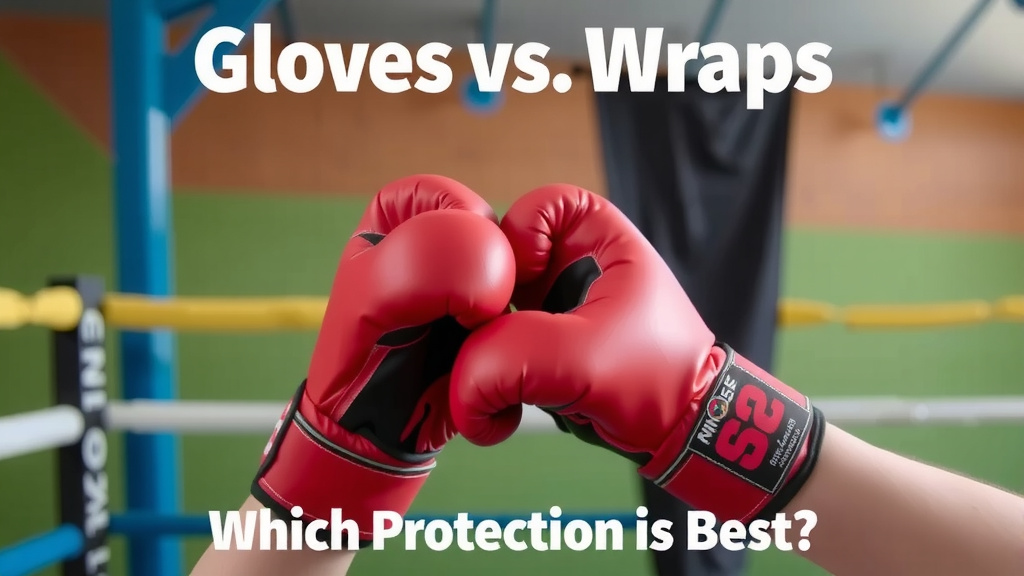
For hand protection during combat sports, boxing gloves offer more padding and wrist support, while hand wraps provide a snug, secure fit under gloves. We found that for raw striking power and maximum defense, gloves are typically preferred. For injury prevention and a tighter feel, wraps are essential. Both play different roles.
Many athletes choose to use both. Hand wraps create a strong base for your knuckles and wrists. Then, boxing gloves add another layer of shock absorption. This combination helps prevent common injuries like sprains and fractures. Choosing the right gear depends on your training goals and personal preference.
- Boxing gloves are best for heavy bag work and sparring.
- Hand wraps are crucial for protecting your knuckles and wrists.
- Using wraps under gloves adds extra support.
- Both have their place in training.
Let’s break down the differences and help you decide which is best for your needs.
“`htmlUnderstanding Hand Protection: Gloves vs. Wraps
When you’re stepping into the ring or hitting the heavy bag, protecting your hands is non-negotiable. But what’s the real difference between boxing gloves and hand wraps? We’ve looked into it, and here’s the breakdown. Gloves offer more padding. They give you that feeling of serious defense. Wraps, on the other hand, are about a snug, supportive fit. Think of them as a second skin for your hands.
The Role of Hand Wraps
Hand wraps are your first line of defense. They are strips of cloth, usually elasticated or cotton. You wrap them snugly around your hands and wrists. This isn’t just for show; it’s for serious support. Many experts say wraps help to compress the soft tissues in your hand. This reduces the risk of swelling and bruising during intense training (National Institutes of Health).
Knuckle Protection
Your knuckles take a beating with every punch. Hand wraps create a padded barrier over them. This padding absorbs some of the impact. Without it, repeated punches can lead to bruised knuckles or even fractures over time. We found that consistent wrap use is a common practice among seasoned fighters for this reason.
Wrist Support
Your wrist is a complex joint. It’s vulnerable to sprains and hyperextension. Hand wraps provide firm support to your wrist joint. This helps keep it in a neutral position when you strike. This support is vital to prevent those awkward, painful bends that can sideline you from training.
The Function of Boxing Gloves
Boxing gloves are designed for a different purpose. They offer a substantial amount of padding. This padding is spread across the back of your hand and your knuckles. The primary goal is to protect both you and your training partner.
Impact Absorption
When you land a punch, especially on a heavy bag or in sparring, there’s a lot of force. Boxing gloves are engineered to dissipate this impact. The thicker padding acts like a cushion. This means less shock travels up your arm and into your joints. We found that glove weight often correlates with padding thickness, offering more protection.
Sparring Safety
Sparring involves hitting another person. Safety is key here. Gloves are mandatory for sparring in most combat sports. They reduce the chance of causing injury to your opponent. It’s a matter of mutual respect and safety in the gym. Research from sports medicine journals consistently highlights gloves as essential for reducing facial and hand injuries during sparring.
Heavy Bag Training
While you might think you can go bare-knuckled or just with wraps on the heavy bag, it’s not recommended. The bag offers no give. Your knuckles and wrists would bear the full brunt of every strike. Gloves provide that necessary layer of protection, allowing you to train harder and longer without risking injury.
Gloves and Wraps: A Dynamic Duo
So, are you choosing one over the other? Many athletes find the best solution is to use both. It’s like building a strong foundation for a house. Wraps are the foundation, and gloves are the sturdy walls. This combination offers the most complete hand protection available.
Why Use Wraps Under Gloves?
You might wonder, why bother with wraps if you’re already wearing gloves? The answer is simple: enhanced support and a better fit. Even the best gloves can shift slightly on your hand. Wraps keep your hand and wrist locked in place within the glove. This prevents your hand from moving inside the glove upon impact, which can lead to sprains.
Achieving a Tighter Fit
Gloves can sometimes feel a bit loose or bulky. Hand wraps allow you to customize the fit. You can ensure your knuckles are tightly supported and your wrist is firm. This gives you more confidence in your punches. We found that fighters often describe a feeling of increased control when using wraps under their gloves.
Maximum Injury Prevention
When you combine the support of wraps with the padding of gloves, you get a powerful defense system. The wraps secure your bones and joints. The gloves absorb the shock. This layered approach significantly reduces the risk of common boxing injuries like fractured metacarpals or wrist sprains (Cleveland Clinic).
When to Choose Which (or Both!)
Your training needs will often dictate your gear. For light pad work or just starting out, gloves might be enough initially. But as you progress, especially into sparring or heavy bag work, wraps become indispensable.
Here’s a quick guide:
- Starting Out / Light Bag Work: Gloves might suffice.
- Heavy Bag Work / Mitt Drills: Always use gloves, preferably with wraps.
- Sparring: Gloves are mandatory; wraps are highly recommended.
- Technical / Focus Mitts: Gloves with wraps ensure maximum protection.
We found that most gyms require hand wraps for any form of sparring, even with gloves. It’s a safety standard that prevents many common injuries.
| Feature | Hand Wraps | Boxing Gloves |
|---|---|---|
| Primary Purpose | Support and compression | Impact absorption and defense |
| Padding Level | Minimal (built by wrapping) | High (built-in) |
| Wrist Support | Excellent (customizable) | Good to Very Good (built-in) |
| Knuckle Protection | Good (creates barrier) | Excellent (padded area) |
| Use Case | Under gloves, all training | Sparring, heavy bag, mitts |
| Feel | Snug, secure | Padded, bulky |
A Quick Checklist for Your Hands
To ensure your hands are ready for action, consider these points:
- Always check your wraps for tightness before training.
- Ensure your gloves fit snugly over your wrapped hands.
- Never spar without proper gloves and wraps.
- Listen to your body; rest if you feel hand pain.
- Inspect wraps and gloves for wear and tear regularly.
- Consider different glove weights for different training types.
Conclusion
You’ve seen how both hand wraps and boxing gloves play vital roles in protecting your hands. Wraps offer essential support and compression, acting as a foundation for your hand. Gloves provide crucial padding and impact absorption, safeguarding both you and your training partners. For the most effective hand care, using wraps under your gloves is the winning strategy. It combines the benefits of both for maximum injury prevention and confidence. So, the next time you train, make sure you’re using the right gear. Your hands will thank you for it.
Frequently Asked Questions
How do I know if I’m wrapping my hands correctly?
Proper wrapping should feel snug but not cut off circulation. Your knuckles and wrist should feel secure. If you’re unsure, ask a coach or experienced fighter to show you. Many online tutorials also demonstrate correct techniques.
Can I just use hand wraps for heavy bag work?
While wraps offer some protection, they don’t provide the same level of impact absorption as gloves. For heavy bag work, using gloves over wraps is highly recommended. This protects your knuckles and wrists from repeated, forceful impacts.
How often should I replace my hand wraps and gloves?
Inspect your wraps and gloves regularly for signs of wear and tear. Wraps lose their elasticity and support over time, usually after several months of consistent use. Gloves need replacing when the padding is compressed or the material starts to break down.
Are Mexican-style hand wraps different from standard ones?
Yes, Mexican-style wraps are typically longer and made of a softer, more flexible material. They offer a bit more stretch and comfort. Standard wraps are often thicker and more rigid. Both aim to provide support, but the feel and flexibility differ.
What’s the best glove weight for training?
Glove weight, measured in ounces, often indicates the amount of padding. Lighter gloves (e.g., 10-12 oz) are usually for competition or bag work, while heavier gloves (e.g., 16 oz and up) offer more protection for sparring. Choose based on your training intensity and whether you’re sparring.
“`