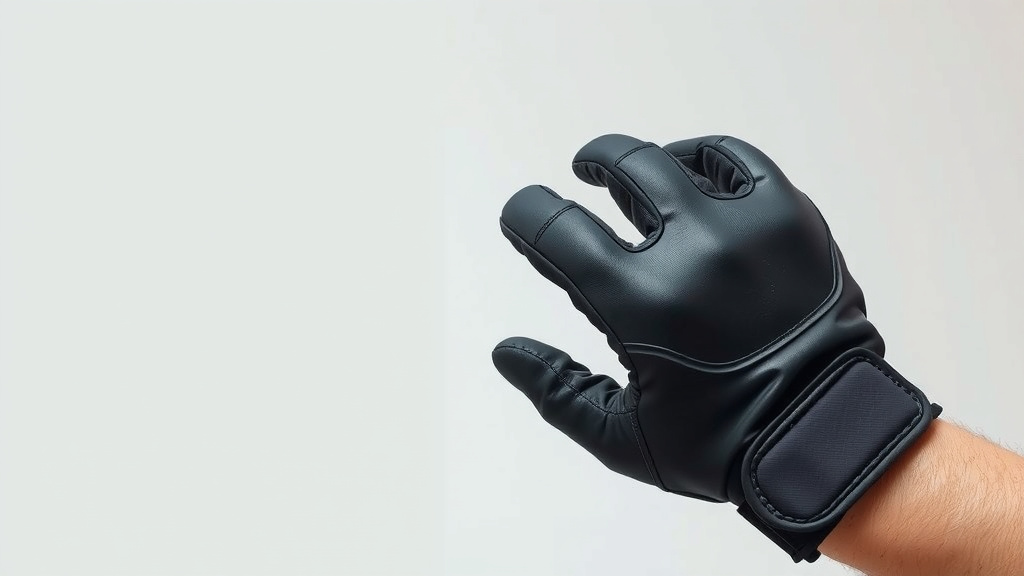
Gym Gloves: Essential or Excess?
Deciding whether to wear gym gloves or go barehanded during your workouts can make a big difference for your grip and hand health. While gloves can offer some benefits like reducing calluses and improving grip on certain equipment, many fitness professionals and studies suggest that going without gloves is generally better for building natural strength and preventing over-reliance on external aids.
Your hands are designed for gripping and lifting. Many experts point out that skipping gloves can actually help you strengthen your hands over time. It’s a common debate in the fitness community, with valid points on both sides, impacting everything from your workout performance to the comfort of your gym sessions.
TL;DR:
- Gloves can help with calluses and grip on some machines.
- Going without gloves often builds natural hand strength.
- Many experts suggest skipping gloves for overall hand conditioning.
- Your hands are naturally built for gripping and lifting.
- Consider your specific workout goals and comfort.
Let’s break down the pros and cons of wearing gym gloves versus going without, so you can make the best choice for your fitness journey.
Gym Gloves vs. No Gloves: What’s Best for Your Workout?
Deciding whether gym gloves help or hurt your training is a common question. We found that while gloves can offer some comfort, many fitness experts suggest skipping them for long-term hand strength and conditioning.
The Case for Going Barehanded
Many fitness pros suggest that going without gloves is actually the better choice for most gym-goers. Your hands are incredibly capable tools. They’re designed to grip, lift, and bear weight naturally.
Building Natural Hand Strength
When you lift weights or use equipment without gloves, your hands and forearms have to work harder. This extra effort helps to build natural strength in your grip muscles and the small bones in your hands. It’s like training a muscle group you might otherwise overlook.
We found that consistently gripping barbells and dumbbells without assistance strengthens the muscles and tendons in your hands. This can lead to a firmer grip over time. A stronger grip is beneficial for almost every exercise, from deadlifts to rows.
Improving Proprioception and Stability
Proprioception is your body’s ability to sense its position in space. When you grip something directly, your nerves send better signals to your brain. This helps you feel the weight and control your movements more effectively. Gloves can sometimes dampen these signals.
Experts point out that direct contact with the bar allows for a more intuitive connection. You can better adjust your grip on the fly. This can lead to better stability and form during your lifts, reducing the risk of form breakdown.
Preventing Over-Reliance
Are you worried about becoming dependent on equipment? That’s a valid concern. If you always wear gloves, your hands might not develop their full potential for gripping. You might find yourself struggling with grip strength when you can’t use them.
Skipping gloves encourages your hands to adapt and strengthen naturally. This means you’re less likely to need external aids down the road. Your hands become more resilient and capable on their own.
When Gloves Might Be Considerate
While going barehanded is often recommended, there are situations where gloves can be useful. They aren’t always the enemy of a good workout.
Managing Calluses and Blisters
Let’s be honest, calluses can be uncomfortable. If you’re doing a high volume of barbell work or exercises that cause friction, gloves can act as a protective barrier. They can help prevent painful blisters and reduce the formation of rough skin.
We found that for individuals particularly prone to skin tears or severe calluses, gloves offer a way to continue training with less discomfort. It’s about finding a balance between conditioning your hands and avoiding injury or excessive pain.
Improving Grip on Certain Equipment
Some gym machines have smooth, slippery handles. On these, especially if your hands get sweaty, your grip might suffer. In these specific cases, gloves can provide an enhanced grip.
Certain types of gloves have textured palms designed to increase friction. This can be helpful for exercises like lat pulldowns or machine rows where maintaining a secure grip is essential for hitting your target muscles effectively. However, research suggests this benefit is often limited to the equipment itself.
Hygiene Concerns
This might seem minor, but it’s a factor for some. Gym equipment can carry germs. Gloves can provide a thin layer of separation between your skin and potentially unclean surfaces.
While not a primary reason to wear gloves, it’s a benefit some users appreciate, especially in busy gyms. It’s a personal choice related to comfort and cleanliness.
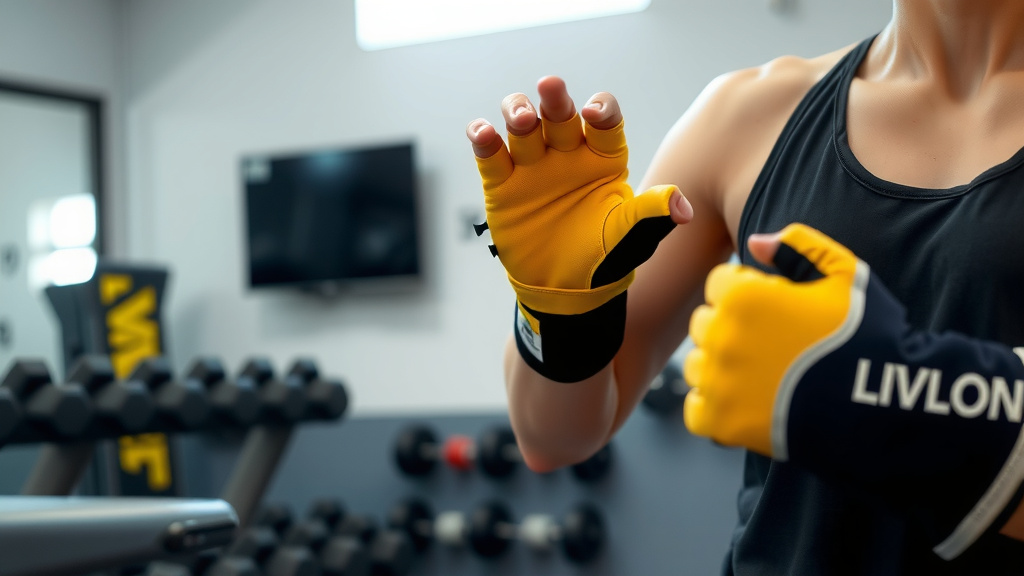
The Grip Strength Debate: A Closer Look
Let’s talk more about grip strength. This is a huge factor in overall performance. Many studies have linked grip strength to muscle mass and even overall health markers (Frontiers in Physiology).
| Feature | Wearing Gloves | Going Barehanded |
|---|---|---|
| Grip Strength Development | Can sometimes hinder natural development | Promotes natural strengthening |
| Callus/Blister Prevention | Good protection | Hands adapt over time, can be uncomfortable initially |
| Hand-to-Equipment Feel | Can reduce direct feel/feedback | Maximized direct feel and control |
| Proprioception | May slightly dampen nerve signals | Optimizes nerve signals for better control |
| Long-Term Conditioning | May lead to reliance | Builds robust hand conditioning |
What Do the Experts Say?
Many strength coaches and physical therapists recommend against routine glove use. They often state that the goal should be to strengthen the entire body, including the hands. Hands are part of your body’s kinetic chain.
We found that the consensus among many seasoned trainers is that gloves can be a crutch. They might mask an underlying weakness in grip strength rather than help you address it. Think of it like using a weight belt for every single set.
When to Reconsider Glove Use
If you find yourself consistently unable to complete sets due to grip failure, it might be a sign you need to work on grip strength, not just cover it up. However, for specific events like strongman competitions or certain powerlifting styles, gloves might be part of the strategy.
For the average gym-goer focused on general fitness and strength, the benefits of going glove-free often outweigh the drawbacks. It’s about building a stronger, more functional body overall.
Making Your Decision: A Quick Checklist
To help you decide what’s best for you, consider these points:
- Your Goals: Are you building raw strength or just trying to stay comfortable?
- Skin Sensitivity: Do you struggle with painful blisters or calluses?
- Equipment Type: Are you mostly using barbells/dumbbells or slick machines?
- Hand Fatigue: Does your grip give out before your muscles do on many lifts?
- Personal Comfort: How do your hands feel during and after your workouts?
- Long-Term Vision: Do you want stronger, more capable hands naturally?
Conclusion
Deciding between gym gloves and going barehanded comes down to your personal fitness goals and comfort. While gloves can offer protection against calluses and improve grip on slippery surfaces, many experts suggest that skipping them fosters stronger hands and better proprioception. Building natural grip strength is key for overall functional fitness. For most gym-goers focused on long-term gains, embracing the natural ability of your hands will serve you best. Try going without gloves for a few weeks and see how your grip and hand conditioning improve.
Frequently Asked Questions
Will gym gloves make my grip weaker over time?
Potentially, yes. If you rely on gloves for every lift, your hands and forearms may not develop their natural grip strength to their full potential. This can lead to a perceived weakness when you don’t have gloves available.
Are gym gloves good for preventing calluses?
Yes, gym gloves can definitely help. They act as a barrier between your skin and the equipment, reducing friction that causes calluses and blisters. This can make workouts more comfortable, especially for high-volume lifting.
Do gloves help with hygiene in the gym?
Gloves offer a thin layer between your hands and shared gym equipment, which some people find provides a sense of added hygiene. While they don’t replace proper cleaning, they can offer peace of mind for those concerned about germs.
When is it okay to use gym gloves?
It’s generally okay to use gloves for specific situations like managing severe calluses, improving grip on very slippery machines, or if you have skin conditions that make barehand lifting painful. For most general training, however, going without is often recommended.
How can I strengthen my grip without gloves?
You can strengthen your grip by consistently lifting weights without gloves, focusing on exercises like deadlifts, rows, and farmer’s walks. Incorporating specific grip trainers, like hand grippers, can also be very effective for building hand and forearm strength.