Football Glove Fit Guide: How They Should Feel
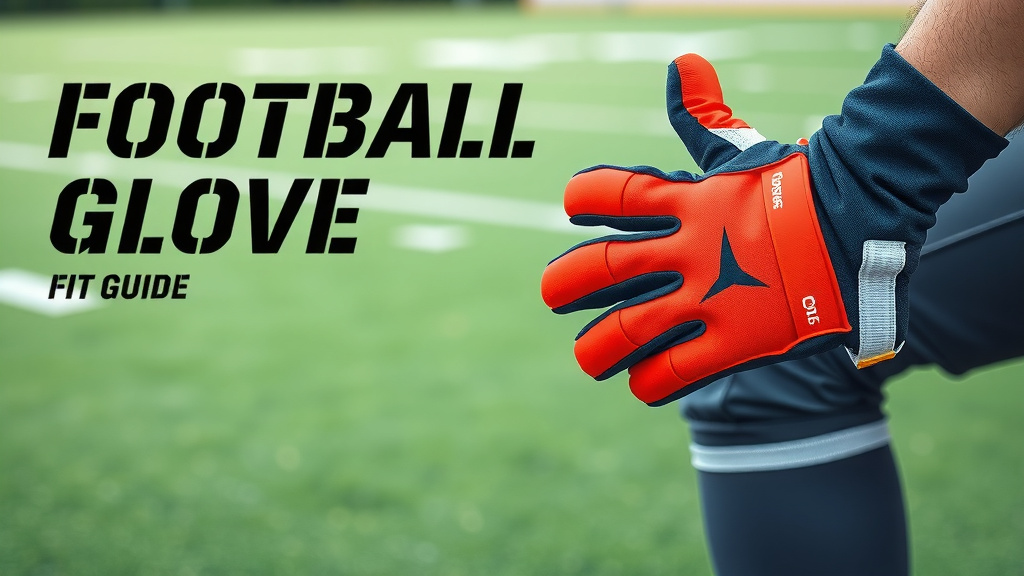
Football gloves are supposed to fit snugly, like a second skin, without being too tight. You want a perfect grip that feels natural, not restrictive. This means no extra material bunching up in your palm or fingers.
Getting the right fit is super important for making those game-winning catches. A glove that’s too loose can slip, and one that’s too tight will make your hands hurt. We’ve found that many players overlook this detail, but it truly makes a huge difference on the field.
- Snug fit is key.
- No bunching or extra material.
- Comfortable for a great grip.
- Avoids slipping and hand pain.
Ready to find your perfect pair? Let’s walk through exactly how football gloves should fit, step by step.
Getting the Right Football Glove Fit
Finding football gloves that fit perfectly is key to your performance. You want them to feel like a natural extension of your hands. We found that many players think gloves are just for grip, but the right fit does so much more.
Understanding Glove Sizing
Most football glove brands use a standard sizing chart. This chart usually relates your hand measurements to a specific glove size. You’ll typically measure around the widest part of your palm. Some brands might also ask for your hand length.
Measuring Your Hand
To get an accurate measurement, you’ll need a flexible measuring tape. Wrap the tape around the widest part of your palm, just below your fingers. Make sure the tape isn’t too tight or too loose. Keep your hand flat and relaxed.
Next, measure from the tip of your middle finger down to the base of your palm. This length also helps determine your size. Always check the specific brand’s sizing guide. Different brands can have slightly different measurements.
How Gloves Should Feel: The “Second Skin” Test
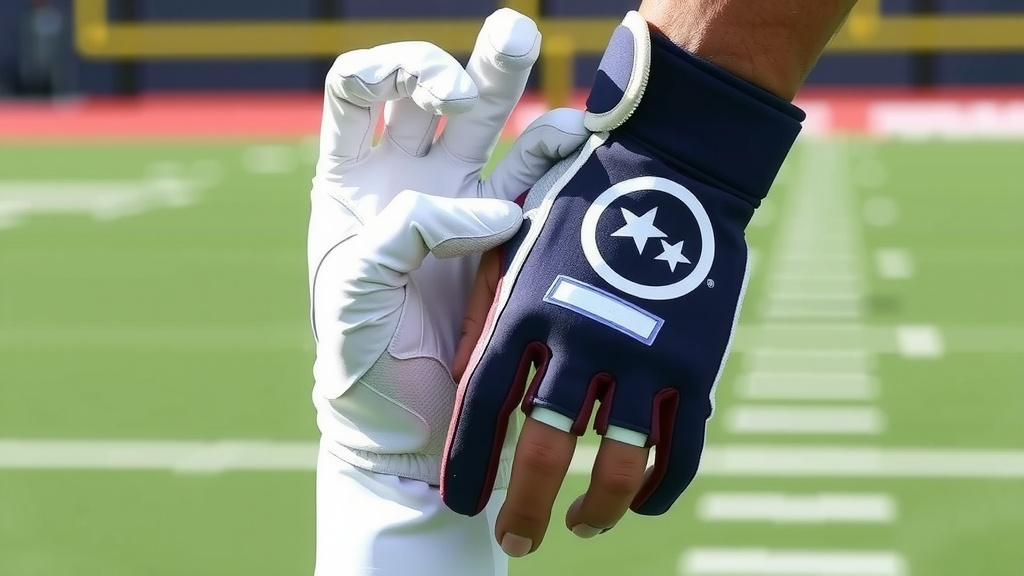
Once you have your measurements, it’s time to try on gloves. The ideal fit is often described as a “second skin.” This means they should hug your hand snugly. There shouldn’t be any extra room or looseness anywhere.
Palm Fit
Pay close attention to the palm area. You shouldn’t feel any bunching of material when you make a fist. If there’s excess fabric, it can interfere with your grip. This bunching can make it harder to secure the ball.
Finger Fit
Your fingertips should reach the very end of each glove finger. There shouldn’t be any empty space beyond your longest finger. However, they shouldn’t be so tight that they cut off circulation. Your fingers should feel comfortable and have full mobility.
Wrist and Cuff Fit
The wrist area is also important. The glove should secure comfortably around your wrist. Most gloves have a Velcro strap or similar closure. This allows you to adjust the tightness. It should feel secure but not constricting.
We found that a glove that’s too short in the fingers can be a real nuisance. It might feel like it’s pulling on your fingers. Conversely, gloves that are too long will have extra material at the fingertips. This excess can lead to fumbling the ball.
Common Fit Issues and How to Avoid Them
Let’s talk about what can go wrong. A common mistake is assuming you need a looser fit for comfort. This is usually not the case for performance gloves. They are designed to be snug to maximize grip.
Gloves Too Tight
If gloves are too tight, your hands will feel cramped. You might experience numbness or tingling. Your fingers could feel stiff and less responsive. This is also an injury risk. It can lead to pain and discomfort over time (American Academy of Orthopaedic Surgeons).
Gloves Too Loose
When gloves are too loose, they won’t grip the ball effectively. The extra material in the palm can cause the ball to slip. You’ll have less control and precision. This can be incredibly frustrating during a game.
We’ve seen players struggle with gloves that slide on their hands. This often happens when the fingers are too long. It’s like trying to operate with oversized mittens. Your dexterity suffers greatly.
Trying On Gloves: A Practical Checklist
When you’re in a store or have your new gloves, use this quick checklist:
- Do the gloves feel like a second skin?
- Are your fingertips right at the end of the glove fingers?
- Is there any bunching material in your palm when you make a fist?
- Can you comfortably grip and flex your fingers?
- Does the wrist strap provide a secure, adjustable fit?
- Do they feel comfortable enough to wear for a whole game?
Glove Materials and Fit
The material of your gloves can also affect how they fit and feel. Different materials stretch and adapt to your hand differently. Leather gloves might feel a bit stiff at first. They often break in and mold to your hand over time.
Synthetic materials, like those used in many modern receiver gloves, tend to offer a consistent snug fit. They often provide excellent grip right out of the package. We found that the type of material can influence the initial feel and long-term comfort.
Consider Your Position
While fit is universal, some positions might prefer slightly different glove characteristics. Linemen often look for more durable, protective gloves. Receivers and defensive backs prioritize maximum grip and flexibility.
Regardless of your position, the fundamental fit principles remain the same. A glove that fits poorly will hinder your ability to perform. It doesn’t matter if you’re blocking, catching, or tackling.
| Fit Type | Feel | Impact on Play | What to Look For |
|---|---|---|---|
| Snug (Ideal) | Like a second skin, no extra room. | Maximized grip, excellent control, good feel. | Fingertips at end, no palm bunching. |
| Too Tight | Constricting, pins and needles, stiffness. | Reduced dexterity, pain, potential injury. | Numbness, difficulty moving fingers. |
| Too Loose | Slipping, extra material, poor control. | Fumbling, loss of grip, reduced confidence. | Gap at fingertips, palm slides. |
Remember, the goal is a glove that feels comfortable and enhances your natural hand movements. It shouldn’t be a distraction. Taking the time to find the right fit is an investment in your game. You’ll thank yourself on the field when you make that game-saving catch or secure a crucial block.
Conclusion
Finding football gloves that fit perfectly is essential for your performance. Remember, the goal is a snug, second-skin feel without any restriction. This perfect fit ensures a great grip, prevents fumbling, and keeps your hands comfortable during the entire game. We found that taking the time to measure and try them on properly makes a huge difference.
Your next step? Grab a measuring tape and head to a store or browse online. Use our checklist to ensure your next pair is a perfect match for your hands. You’ll feel the difference on the field!
Frequently Asked Questions
Can I just buy the same size as my batting gloves?
Not always. While there can be overlap, football gloves often need a more precise fit for optimal grip. Batting glove sizing can differ from football glove sizing. Always check the specific brand’s football glove sizing chart.
How should the fingertips feel in my football gloves?
Your fingertips should reach the very end of each glove finger. There shouldn’t be any empty space or excess material beyond your longest finger. They should feel snug but not so tight they cause discomfort.
Is it normal for football gloves to feel a bit stiff at first?
Yes, it is! Especially with leather gloves, they often feel stiff initially. They are designed to mold to your hand over time. Synthetic gloves might offer a more consistent fit right away. We found that a little break-in period is common.
What if one hand is slightly larger than the other?
If you have hands of noticeably different sizes, you might need to try a few things. Some brands offer gloves in different sizes for each hand. Otherwise, choose the size that fits your larger hand best and adjust the strap on the smaller hand for a secure fit.
How tight should the wrist strap be?
The wrist strap should feel secure but not constricting. It’s there to keep the glove in place and provide stability. You should be able to adjust it comfortably so it doesn’t cut off circulation or feel painful. It should feel firm enough to prevent slippage.