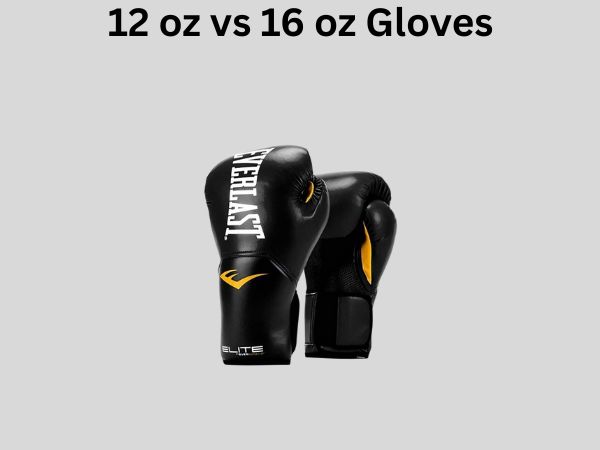
12 oz vs 16 oz Gloves: Complete Guide to Protection, Speed & Comfort
When you’re stepping into the ring or preparing for a serious training session, one of the most important decisions you’ll make is choosing the right glove weight. I’ve seen too many fighters grab whatever gloves are sitting on the shelf without really thinking about what they’re putting on their hands. But here’s the thing: the difference between 12 oz and 16 oz gloves is way more significant than just a few ounces. It affects everything from your hand speed to how much punishment you can take, and even influences your long-term hand health.
Let me walk you through everything you need to know about these two popular weights so you can make an informed decision that actually matches your training goals and boxing style.
Introduction to Boxing Glove Weights
You know, when I first started boxing, I thought glove weight was like choosing between small or large at a coffee shop—not really a big deal. I was wrong. Dead wrong. The weight of your gloves directly impacts your fighting style, your safety, your speed, and honestly, how much your hands are going to hurt the next day.
The boxing world primarily uses two weights for training and sparring: 12 oz and 16 oz. Think of it like this: if your gloves were cars, the 12 oz would be a sports car built for speed and agility, while the 16 oz would be an SUV designed with safety and durability in mind. Both get you where you need to go, but the journey feels completely different.
Whether you’re a professional fighter, a fitness enthusiast, or someone just getting started with boxing, understanding these differences can literally be the difference between training smart and training injured.
What Do Ounces Actually Mean in Boxing Gloves?
Before we dive deep into the comparison, let’s clarify what we’re actually talking about when we say “ounces.” The weight rating of boxing gloves refers to the total mass of padding material in the glove. It’s not about the outer shell or the wrist support—it’s specifically about the cushioning that sits between your fist and whatever surface you’re hitting.
Here’s where it gets interesting: more ounces means more padding. And more padding means better shock absorption, but it also means you’re carrying more weight with every punch you throw. It’s a trade-off, plain and simple.
The ounce measurement became standardized because boxing authorities needed a universal way to ensure fair competition. A fighter wearing 16 oz gloves can’t secretly have thinner padding that makes the punch hit harder. Everything is regulated and consistent across the sport.
12 oz Gloves: The Speed Fighter’s Choice
Who Should Wear 12 oz Gloves?
If you’re the type of boxer who relies on speed, footwork, and precision rather than raw power, 12 oz gloves might be your perfect match. These lighter gloves are the go-to choice for professional fighters competing at higher weight classes, and there’s a really good reason for that.
Imagine throwing a punch without all that extra cushioning slowing you down. Your hand travels faster. Your combinations flow more smoothly. You can snap off quick jabs and combinations without feeling like you’re moving through water. That’s the 12 oz experience.
Advantages of 12 oz Gloves
- Superior Speed: The lighter weight lets your hands move faster, which is crucial for flashy combinations and quick reflexes
- Better Feedback: You get more direct feedback from your punches because there’s less padding between your fist and the impact zone
- Less Hand Fatigue: Your arms won’t tire as quickly because you’re not swinging heavy equipment around constantly
- Improved Footwork: The reduced weight on your hands helps with balance and movement coordination
- Competitive Standard: If you plan to compete professionally, especially at higher weight classes, 12 oz is what you’ll be using
Disadvantages of 12 oz Gloves
But here’s where I need to be honest with you: lighter gloves come with serious trade-offs. The reduced padding means less shock absorption for both the person wearing them and the person on the receiving end of your punches.
- Less Protection: Your hands and wrists absorb more impact stress because there’s simply less cushioning
- Higher Injury Risk: Both you and your sparring partner face greater risk of cuts, bruises, and more serious injuries
- Greater Impact Force: The punches deliver more direct force, which can be both an advantage and a serious drawback depending on context
- Not Ideal for Beginners: New fighters shouldn’t wear these because they haven’t developed the proper technique to prevent injuries
16 oz Gloves: Maximum Protection and Safety
The Safety Champion
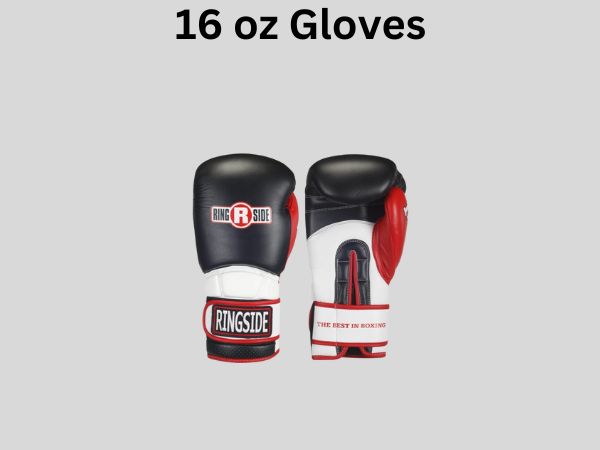
Now let’s talk about the heavyweight champion of protection: 16 oz gloves. These are what you see most beginners wearing, and what smart coaches recommend for anyone serious about training regularly without collecting hand injuries like Pokemon cards.
The extra padding in 16 oz gloves is like having shock absorbers in your car—it’s not there to help you go faster, it’s there to protect you from damage when things get intense. And trust me, when you’re trading shots with a heavy bag or sparring with someone who actually knows how to box, those extra four ounces make a world of difference.
Advantages of 16 oz Gloves
- Maximum Hand Protection: The extra padding protects your hands, knuckles, and wrists from repetitive impact stress
- Safer for Sparring: Your training partners appreciate the extra cushioning, which means less risk of serious injuries during practice
- Better for Training Longevity: If you want to box for years without chronic hand problems, these are your friends
- Ideal for All Skill Levels: Whether you’re day one or day 1000, 16 oz gloves are always appropriate
- Reduced Impact to Head: When sparring, the extra padding reduces the concussive force of punches to the face
- Great for Heavy Bag Work: Your hands and wrists stay fresher longer during intense bag sessions
Disadvantages of 16 oz Gloves
The trade-off for all that protection? You sacrifice some of the explosive speed and feedback you get with lighter gloves.
- Reduced Hand Speed: The extra weight slows down your punches and combinations
- Arm Fatigue: You’ll feel tired faster because you’re moving more mass with each punch
- Less Feedback: The padding muffles the impact feedback, so you don’t feel as clearly where your punch landed
- Not Competition Standard: If you want to compete professionally, you’ll need to transition to lighter gloves eventually
Key Differences Between 12 oz and 16 oz Gloves
Weight Distribution
The primary difference is straightforward: 16 oz gloves have 33 percent more padding than 12 oz gloves. That might not sound like much, but when you’re throwing hundreds of punches in a training session, that extra mass compounds quickly. Your shoulders, elbows, and wrists definitely notice the difference.
Padding Thickness
The padding in 16 oz gloves isn’t just heavier—it’s also typically thicker and denser. Different manufacturers use different foam compositions, but generally speaking, 16 oz gloves have more layers of protection between your knuckles and the outside world.
Wrist Support
Here’s something that surprises people: the wrist support can actually vary based on total glove weight. The heavier the glove overall, the more structural support it tends to provide to your wrist. This is important because wrist injuries are super common in boxing, and you want that support during heavy training.
Protection Level Comparison
Hand and Knuckle Protection
When we talk about protection, we’re looking at how well the glove absorbs impact and distributes force across a larger area. Your knuckles are delicate structures—they’re literally small bones covered by skin and flesh. They were not evolved to punch things repeatedly.
With 16 oz gloves, that extra padding spreads the impact force across a much larger surface area. It’s like comparing a hammer strike to a wide push—the force is the same, but one distributes it across more space and therefore causes less damage.
The 12 oz gloves concentrate force more tightly. Your knuckles feel every bit of contact, which gives you more feedback but less protection.
Wrist and Forearm Protection
Here’s something you might not have considered: the weight of your gloves affects how much stress your wrist experiences with every punch. Heavier gloves mean you’re accelerating more mass, which means your wrist has to work harder to control that movement.
This seems backwards, but it’s true: lighter gloves can actually be harder on your wrist because you’re throwing faster, snappier punches that require more deceleration. Heavier gloves spread the effort out more evenly.
Impact on Hand Speed and Performance
Punch Velocity
One of the most noticeable differences when you switch between 12 oz and 16 oz gloves is how your punches feel velocity-wise. With 12 oz gloves, your punches move faster because you’re accelerating less total mass. With 16 oz, your punch speed naturally decreases because you’re moving more weight.
In actual performance, a professional fighter in 12 oz gloves can throw faster combinations than the same fighter in 16 oz. This is documented fact, not opinion. Speed matters in boxing, so this is why pros prefer lighter gloves.
Combination Accuracy
Here’s an interesting nuance: while 16 oz gloves are heavier, some fighters actually find them more accurate for combinations because the extra weight naturally slows them down enough to maintain better form. It’s harder to throw wild, sloppy combinations when you’re carrying extra weight—your body demands better technique.
12 oz gloves let speed demons go wild, and sometimes that means sacrificing precision for volume. Neither approach is wrong; they just suit different fighters.
Comfort and Fit Considerations
Initial Feel
When you first put on 12 oz gloves, they feel incredibly light. Your hands feel nimble and quick. It’s genuinely fun. But after about 20 minutes of intense work, you realize why professionals wear them—because your arms feel fresh enough to throw combinations for the entire round.
16 oz gloves feel snug and protective immediately. They feel like a warm hug for your hands. After about five rounds, though, your shoulders start sending complaint messages to your brain.
Hand Positioning
The thickness of 16 oz gloves can affect how your hand sits inside the glove. Some people find that the extra padding changes their natural hand position, which takes getting used to. Your fingers might sit in a slightly different position, and your wrist angles slightly different.
12 oz gloves are closer to a natural hand position because there’s less padding changing your anatomy. This is another advantage for experienced fighters who’ve developed their technique—they don’t want something messing with their hand position.
Training vs. Competition: Which Should You Choose?
For Training Sessions
If we’re talking about regular training—hitting the heavy bag, doing mitts, sparring with partners—I’m going to recommend 16 oz for most people. Here’s my reasoning: you’re training to get better, not to damage yourself. The extra protection means you can train more frequently and for longer periods without accumulating hand injuries that set you back.
Think of it like this: would you rather train three times a week pain-free for years, or train five times a week and deal with hand problems after a few months? The math is simple.
For Competitive Fighting
Competition is a different animal. Professional boxing matches have specific weight requirements, and they vary by weight class and organization. Generally, heavier fighters (middleweight and above) compete in 10 oz gloves, while lighter fighters compete in 8 oz gloves. Neither of these is our main topic, but the point is: your competitive weight isn’t your training weight.
If you’re planning to compete professionally, you should train primarily in 16 oz to build conditioning and hand durability, then move to lighter gloves about 4-6 weeks before competition to adjust your speed and feel.
For Fitness Boxing
If you’re doing boxing primarily for fitness—you’re not sparring heavily, you’re just working the bag and doing mitt work—16 oz is the smart choice. You get all the fitness benefits without the injury risk, and you can sustain a regular training program indefinitely.
Hand Health and Long-Term Considerations
Chronic Hand Problems
I’ve known boxers who trained exclusively in light gloves for years, and by their thirties, they had serious hand problems. Arthritis in their knuckles, chronic pain, stiffness—all preventable with proper protection during training.
Your hands have a limited amount of punishment they can take. It’s like a battery that drains with every heavy impact. Using heavier gloves during training is like charging that battery less aggressively, so it lasts longer overall.
Cumulative Damage
One heavy bag session in 12 oz gloves isn’t going to destroy your hands. But 200 heavy bag sessions in 12 oz gloves? That’s different. The cumulative damage adds up quietly, and by the time you notice problems, you’re already dealing with chronic issues.
16 oz gloves reduce that cumulative damage significantly. You’re not eliminating impact stress—you can’t do that in boxing—but you’re reducing it to levels your hands can handle for decades of training.