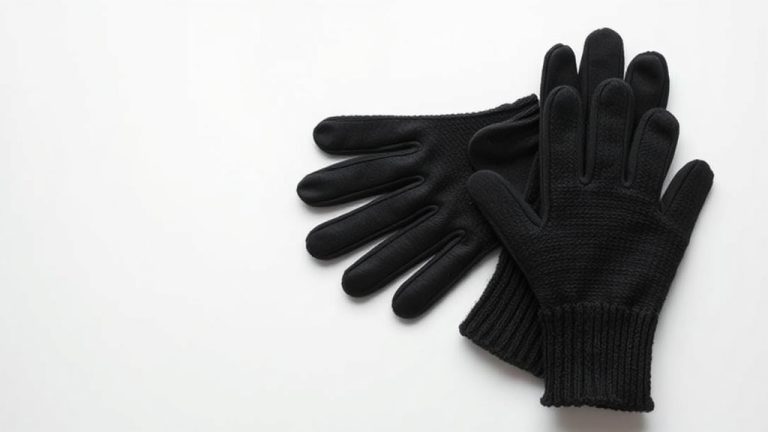
Vinyl vs Latex Gloves: Which is Right for You
When choosing between vinyl and latex gloves, the best option for you depends on your specific needs. For general-purpose use and excellent dexterity, vinyl gloves are often preferred due to their affordability and smooth feel. Latex gloves, on the other hand, offer superior elasticity and a tighter fit, making them ideal for tasks requiring higher sensitivity and protection.
We found that both types of disposable gloves are widely used in various settings, from healthcare to food service. Understanding their differences in comfort, durability, and potential for allergic reactions is key to making the right choice. Many experts point to the material’s composition as the primary driver of these distinctions.
- Vinyl is synthetic and generally more affordable.
- Latex is natural rubber, offering better stretch and fit.
- Latex can cause allergic reactions in some people.
- Vinyl provides good protection for non-medical, everyday tasks.
- Latex is often the choice for medical professionals needing precise touch.
So, let’s walk through exactly how vinyl and latex gloves compare so you can pick the perfect pair for your needs.
So, you’re trying to figure out which type of disposable gloves – vinyl or latex – is the right fit for you? It’s a common question, and understanding the key differences can save you time and ensure you’re using the best tool for the job. We’ve looked into this, and it really comes down to a few main factors: **protection**, **comfort**, **cost**, and your **personal health**.
Many people wonder if they’re essentially the same. While both offer a barrier, their materials make them quite distinct. Think of it like choosing between a comfortable cotton t-shirt and a sleek, stretchy athletic top – both cover you, but they serve different purposes and feel different. Many people wonder if they’re essentially the same, but nitrile gloves offer a different experience.
The biggest difference between vinyl and latex gloves lies in what they’re made from. This fundamental distinction drives everything else about their performance and suitability.
Vinyl is a synthetic material, specifically polyvinyl chloride (PVC). It’s manufactured and doesn’t come from a natural source. Because of this, it’s generally less expensive to produce. You’ll often find vinyl gloves to be a bit more rigid and less flexible than latex. They don’t stretch as much, which can sometimes lead to a looser fit.
We found that vinyl is a popular choice for tasks where a high level of protection isn’t the top priority. Think of low-risk environments. Because they’re less elastic, they can sometimes feel a bit clammy or less breathable, which might not be ideal for long wear.
Latex, on the other hand, is made from natural rubber. This means it’s harvested from rubber trees. Its natural origin gives it fantastic **elasticity** and a very snug, form-fitting feel. Many professionals love latex because it offers excellent tactile sensitivity, meaning you can still feel what you’re touching quite well.
However, latex has a significant downside: **allergies**. Natural rubber latex can cause allergic reactions in a portion of the population. These reactions can range from mild skin irritation to more severe issues. This is a major reason why many switch to other glove types. Many health organizations advise caution with latex gloves due to these allergy concerns (CDC).
Beyond the materials, how do these gloves actually perform in everyday use? We’ve broken down the most important factors you’ll notice.
When it comes to **durability**, latex gloves generally come out on top. Their natural rubber composition makes them more resistant to tears and punctures than standard vinyl gloves. This makes them a better choice for tasks that involve sharper objects or require a more robust barrier against certain chemicals. Many experts recommend latex for moderate-risk medical procedures (NIH).
Vinyl gloves offer a good barrier for general-purpose use. They are excellent for preventing the spread of germs during non-medical tasks. However, they are more prone to tearing, especially if they are stretched too thin or snagged. They are typically not recommended for handling hazardous chemicals or for high-risk medical environments where a strong, reliable barrier is absolutely essential.
Comfort is subjective, but there are general trends. Latex gloves, due to their high elasticity, provide a **snug and comfortable fit**. They contour to your hand like a second skin. This allows for excellent **dexterity** and precision, which is vital for tasks requiring fine motor skills. You can often wear them for extended periods without feeling too restricted.
Vinyl gloves can feel a bit more stiff and less flexible. They don’t conform to the hand as tightly. This can sometimes lead to air pockets or a looser fit, which might reduce your ability to perform very detailed work. Some users find vinyl gloves feel a bit plasticky and less breathable, potentially leading to sweaty hands during longer uses.
Price is often a deciding factor, especially for bulk purchases. In general, **vinyl gloves are more affordable** than latex gloves. Their synthetic nature makes them less expensive to manufacture, which translates to a lower cost per box. This makes them a budget-friendly option for businesses and individuals who need to use gloves frequently for lower-risk tasks.
Latex gloves, while offering superior performance in some areas, come at a higher price point. The cost of sourcing natural rubber and the manufacturing process contributes to this. If budget is a major concern and your tasks don’t require the highest level of protection or elasticity, vinyl might be a more economical choice.
Knowing the differences helps you decide which glove is best for your specific situation. Let’s look at some common scenarios.
- Food service and preparation (where a good barrier against contamination is needed, but high dexterity isn’t paramount).
- General cleaning tasks around the house.
- Low-risk janitorial work.
- Retail and customer service interactions.
- Any task where you need a basic barrier and affordability is key.
- Medical professionals needing high tactile sensitivity (doctors, nurses, dentists).
- Dental and veterinary procedures.
- Laboratory work requiring precise handling.
- Tasks involving potential exposure to bodily fluids or pathogens (where their superior barrier strength is valued).
- Anyone not prone to latex allergies who needs a very close, comfortable fit.
We can’t stress this enough: if you or someone you interact with has a **latex allergy**, you absolutely must avoid latex gloves. Reactions can be serious. For these situations, vinyl gloves are a safe alternative. Many also choose nitrile gloves (though not covered here) as another excellent latex-free option that offers performance similar to latex.
To help you decide, ask yourself these questions:
- Do I need maximum tactile sensitivity? If yes, consider latex (if no allergies).
- Is my budget very tight? Vinyl is generally more affordable.
- Am I or anyone I work with allergic to latex? If so, definitely choose vinyl or nitrile.
- What level of protection do I need? For high-risk tasks, latex or nitrile are often better.
- Will I be wearing these for a long time? Comfort and breathability might lean towards latex (if no allergies).
Conclusion
Deciding between vinyl and latex gloves comes down to your specific needs and priorities. If you need an affordable option for general tasks or have latex sensitivities, vinyl gloves are a solid choice. For situations demanding superior elasticity, precise tactile feel, and robust protection, latex shines – provided allergies aren’t a concern. We found that understanding the core differences in material, comfort, and protection empowers you to make the best choice. Now that you’re informed, you can confidently select the gloves that will best serve you.
Frequently Asked Questions
Are vinyl gloves as protective as latex gloves?
Generally, no. Latex gloves offer better resistance to punctures and tears, making them more protective for higher-risk tasks. Vinyl gloves provide a good barrier for general-purpose use and contamination prevention but are more prone to damage.
Can I wear vinyl gloves if I have a latex allergy?
Yes, absolutely. Vinyl gloves are made from synthetic materials and are a safe, latex-free alternative for individuals with latex allergies. This makes them a great choice for many people in healthcare and food service.
Which type of glove is more comfortable for long periods?
For many users, latex gloves offer superior comfort due to their high elasticity and snug fit, feeling like a second skin. Vinyl gloves can sometimes feel stiffer and less breathable, potentially leading to discomfort over extended wear.
Why are vinyl gloves usually cheaper than latex?
Vinyl is a synthetic material (PVC) that is less expensive to manufacture compared to natural rubber latex, which is harvested from trees. This difference in production cost directly translates to vinyl gloves being more affordable per box.
When should I avoid using vinyl gloves?
You should avoid vinyl gloves for tasks requiring the highest level of dexterity and tactile sensitivity, or when handling harsh chemicals or in very high-risk medical situations where their durability might be insufficient. For these, latex or nitrile gloves are typically recommended.