12 oz vs 16 oz Boxing Gloves: Complete Comparison Guide
When you’re stepping into the boxing ring for the first time, one of the most crucial decisions you’ll make is choosing the right glove weight. It might seem like a small detail, but trust me, the difference between 12 oz and 16 oz boxing gloves can significantly impact your training experience, performance, and safety. I’m going to walk you through everything you need to know to make an informed decision that suits your specific needs.
Understanding Boxing Glove Weights and Their Importance
Have you ever wondered why boxing gloves come in different weights? It’s not just marketing—there’s genuine science behind it. The weight of your gloves affects everything from how fast you can throw punches to how much protection your hands receive. Think of it like choosing the right shoes for running; you wouldn’t wear hiking boots on a track, right? The same principle applies to boxing gloves.
The weight measurement refers to the actual mass of each glove, typically expressed in ounces. This isn’t arbitrary either. Heavier gloves mean more padding, which translates to better shock absorption but slower hand speed. Lighter gloves feel snappier and allow for faster combinations, but they offer less cushioning for both your hands and your opponent.
Why Weight Matters in Boxing
The glove weight directly influences your training dynamics. When you wear heavier gloves, you’re adding resistance to your movements, which builds strength and endurance. It’s like adding weights to your wrists during a workout. Conversely, lighter gloves let you focus on technique and speed without the additional burden.
The 12 oz Boxing Gloves Explained
Twelve ounce gloves are the go-to choice for many boxers, particularly those involved in competitive fighting or serious training. These gloves strike a balance between protection and performance that appeals to a wide range of practitioners.
Characteristics of 12 oz Gloves
When you slip on a pair of 12 oz gloves, you’ll immediately notice they feel more responsive than their heavier counterparts. The padding is sufficient to protect your hands without making you feel like you’re wearing oven mitts. They’re designed to be closer-fitting around the knuckles while still maintaining adequate wrist support through reinforced construction.
- Lighter and more responsive feel
- Better hand speed and combinations
- Adequate padding for most training scenarios
- Preferred for competitive boxing matches
- Suitable for fighters weighing up to 147 pounds
- More affordable than heavier alternatives
- Better for practicing precision and technique
Best Uses for 12 oz Gloves
These gloves excel in situations where speed and technique are paramount. If you’re working on your footwork, practicing combinations, or preparing for sparring at an intermediate level, 12 oz gloves are your friend. They allow you to feel the impact of your punches more directly, which helps develop better accuracy and timing.
The 16 oz Boxing Gloves Explained
Sixteen ounce gloves are the heavier option, and they’re becoming increasingly popular among fitness enthusiasts and casual boxers. Don’t let the four-ounce difference fool you—this seemingly small amount creates a noticeable change in how your training feels.
Characteristics of 16 oz Gloves
When you put on 16 oz gloves, you’re stepping into a world of enhanced cushioning and protection. The extra material provides more shock absorption, making these gloves particularly forgiving on your wrists and hands. They’re bulkier, creating a larger target area, which means both you and your sparring partner have more surface area to hit.
- Increased padding throughout the glove
- Superior wrist support and stability
- Better protection for heavier hitters
- Ideal for longer training sessions
- More suitable for beginners and casual boxers
- Recommended for fighters weighing over 147 pounds
- Easier on the hands during extended training
Best Uses for 16 oz Gloves
These gloves shine when protection and hand longevity are priorities. If you’re training for fitness rather than competition, regularly engaging in heavy bag work, or just starting your boxing journey, 16 oz gloves provide peace of mind. They’re especially valuable during general sparring sessions where you’re not focused on tournament preparation.
Weight and Impact Force Comparison
Let’s talk about what actually happens when you land a punch with different glove weights. The relationship between glove weight and impact force isn’t perfectly linear, which surprises many people. A 16 oz glove doesn’t deliver twice the impact of an 8 oz glove—it’s more complicated than that.
Heavier gloves distribute force over a larger area, reducing peak impact pressure on any single spot. This is why they’re gentler on both the puncher’s hands and the recipient. The extra padding acts as a shock absorber, similar to how airbags in cars distribute impact energy across a wider surface.
Force Distribution and Velocity
Here’s where it gets interesting. When you throw a punch with lighter gloves, your hand travels faster, potentially increasing the velocity component of the force equation. However, the lighter gloves transmit more of that direct impact to your opponent’s face. With heavier gloves, your hand speed decreases slightly, but the cushioning protects both parties significantly.
Imagine throwing a tennis ball versus a baseball from the same position with the same effort. The baseball travels faster but is heavier, while the tennis ball is lighter but might feel different upon impact. Boxing glove weights work in a similar fashion.
Who Should Use 12 oz Boxing Gloves
Not everyone benefits equally from 12 oz gloves. These are best suited for specific situations and fighter profiles. Let me break down who should seriously consider going with the lighter option.
Competitive Fighters and Athletes
If you’re serious about competing in amateur or professional boxing, 12 oz gloves might be your sweet spot. Most competitive boxing matches allow fighters weighing up to 147 pounds to use 12 oz gloves. These gloves help you develop the speed and precision necessary for competitive success. You’ll be training the way you’ll fight, which is a fundamental principle of effective preparation.
Intermediate and Advanced Boxers
Once you’ve mastered the fundamentals and developed solid technique, 12 oz gloves become more accessible. You already know how to protect yourself, and your hand speed has improved significantly. These gloves reward technical proficiency and allow you to explore more complex combinations and footwork patterns.
Lighter Weight Athletes
If you weigh less than 147 pounds, using 12 oz gloves during training is actually recommended by most boxing associations. They’re proportional to your body weight and develop the appropriate muscle memory for your weight class.
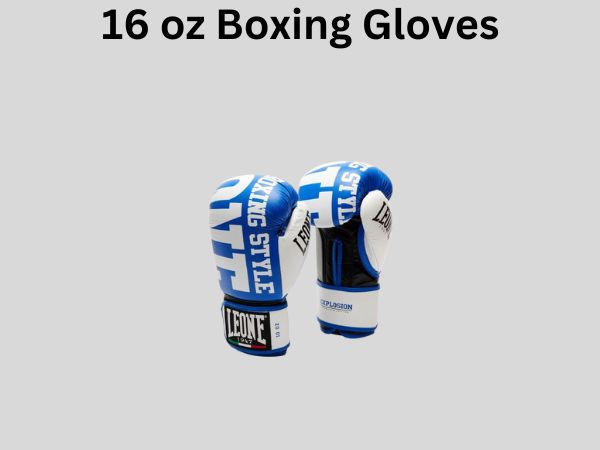
Who Should Use 16 oz Boxing Gloves
Conversely, 16 oz gloves are better suited for other groups of boxers. Understanding who benefits most from heavier gloves helps you avoid unnecessary frustration or injury.
Beginners and Novice Boxers
When you’re just starting your boxing journey, your body hasn’t adapted to the demands of combat sports. Your wrists are still strengthening, your hands need protection, and you’re still developing protective instincts. Sixteen ounce gloves provide the cushioning you need during this learning phase. They allow you to focus on learning proper form without worrying excessively about hand injuries.
Fitness-Focused Participants
Many people take boxing classes for cardiovascular fitness and stress relief rather than competitive aspirations. For these individuals, 16 oz gloves are excellent. They’re comfortable during extended sessions, reduce hand fatigue, and provide ample protection for non-competitive training.
Heavier Weight Class Fighters
If you weigh over 147 pounds, boxing associations generally require you to use 16 oz gloves. The extra weight helps manage the increased power that naturally comes with a larger frame. It’s a safety measure that levels the playing field somewhat.
Boxers with Hand or Wrist Issues
If you’ve previously experienced hand or wrist injuries, 16 oz gloves provide additional support and protection while you train. The extra padding reduces stress on vulnerable areas, allowing you to maintain your training regimen safely.
Training Considerations for Each Weight
Choosing between 12 oz and 16 oz gloves isn’t just about the gloves themselves—it’s about how they fit into your overall training program. Different training goals require different equipment.
Heavy Bag Training
For heavy bag work, both weights serve well, but they serve different purposes. With 12 oz gloves, you develop faster striking combinations and refine your technique against an unmoving target. The lighter weight allows you to throw more punches in a given time period, building speed and conditioning. With 16 oz gloves, heavy bag training becomes more about building power and endurance, as the additional weight forces your muscles to work harder with each strike.
Speed Bag and Double-End Bag Work
These specialized bags benefit more from lighter gloves. The 12 oz gloves allow better hand-eye coordination development and faster reflexes. The lighter weight lets you react more quickly to the bag’s movement, improving your hand speed and timing significantly.
Sparring Sessions
Sparring is where glove choice becomes crucial for safety. Many boxing gyms have specific requirements about sparring glove weights. Generally, beginners spar with 16 oz gloves to maximize protection, while advanced fighters might use 12 oz gloves depending on the intensity level. The 16 oz gloves are more forgiving when mistakes happen, which is valuable during learning phases.
Mitt Work and Combination Practice
Mitt work—working with a trainer holding pads—is excellent for developing precision and combinations. Twelve ounce gloves are often preferred here because they allow the trainer to feel your strikes more clearly and provide better feedback. However, 16 oz gloves work fine too; it’s more about personal preference and training goals.
Speed and Agility Factors
One of the most noticeable differences between 12 oz and 16 oz gloves is how they affect your hand speed. This isn’t just perception; it’s measurable physics.
Punch Velocity and Hand Speed
When you’re wearing lighter 12 oz gloves, your hands can move faster because they’re carrying less weight. It’s basic physics: less mass equals easier acceleration. This allows you to throw more combinations in shorter timeframes, practice faster combinations, and develop quicker reflexes. If you’re working on becoming a faster, more technical fighter, this matters.
The 16 oz gloves slow your hand speed deliberately. Some might see this as a disadvantage, but it’s actually a training benefit. Training with heavier gloves builds strength and explosive power. When you eventually switch to lighter gloves, your hands will feel remarkably quick, giving you a genuine speed advantage.
Footwork and Movement
The added weight of 16 oz gloves affects your entire body mechanics, not just your hands. You’ll notice slightly slower head movement and footwork transitions. This forces you to rely more on positioning and timing rather than speed alone. Twelve ounce gloves allow for snappier footwork and quicker head movement, which is valuable for developing evasive skills.
Protection and Safety Levels
This is the category where the differences matter most, especially for your long-term health. The amount of padding in your gloves directly correlates to how well your hands and brain are protected.
Hand and Wrist Protection
Sixteen ounce gloves offer superior hand protection through increased padding. The extra material absorbs more impact, spreading force across a larger area. This matters because your hands contain small bones that are vulnerable to repetitive stress injuries. If you train regularly, the additional protection in 16 oz gloves can mean the difference between maintaining healthy hands and developing chronic issues.
Twelve ounce gloves still provide adequate protection for most training scenarios, but they transmit more direct feedback. You feel impact more keenly, which can lead to soreness if you’re not careful. This is why beginners are often steered toward heavier gloves—their hands haven’t been conditioned for the sport yet.
Head Protection for Your Opponent
When you’re sparring, your glove choice affects your partner’s safety too. The heavier 16 oz gloves cushion strikes better, reducing peak impact on someone’s face and brain. This is why many gyms require 16 oz gloves for sparring, especially when partners have different experience levels. The additional padding is a safety buffer that protects both parties.
Wrist Stability and Support
Wrist injuries are common in boxing if you don’t use proper equipment. Sixteen ounce gloves typically feature more substantial wrist support through extra padding and structural reinforcement around the wrist area. If you have weaker wrists or are prone to wrist strain, the heavier gloves make a tangible difference in comfort and injury prevention.
Cost Comparison and Value
Money matters, and the price difference between 12 oz and 16 oz gloves can influence your decision. Let’s look at the financial reality.
Price Range for Each Weight
Generally, 16 oz gloves are slightly less expensive than quality 12 oz gloves. This might seem counterintuitive since they use more material, but the market demand is different. Many casual boxers buy 16 oz gloves, creating higher volume and slightly lower prices. A decent pair of 16 oz gloves might cost $60 to $120, while quality 12 oz gloves typically run $80 to $150.
However, price varies dramatically based on brand reputation, materials, and construction quality. Premium brands cost significantly more regardless of weight. Beginners should focus on quality rather than trying to save a few dollars with cheaper options that fall apart quickly.
Long-Term Value Assessment
The real question isn’t the initial price but the value over time. If you’re training seriously, you might own multiple pairs of gloves for different purposes. In this scenario, having both weights available actually provides good value—12 oz for competitive preparation and 16 oz for casual training and sparring.
Durability and Longevity
How long your gloves last depends on multiple factors, including usage intensity, maintenance, and construction quality. Glove weight plays a minor role.