Gauntlet vs Wristlet Gloves Which Style Is Right for You
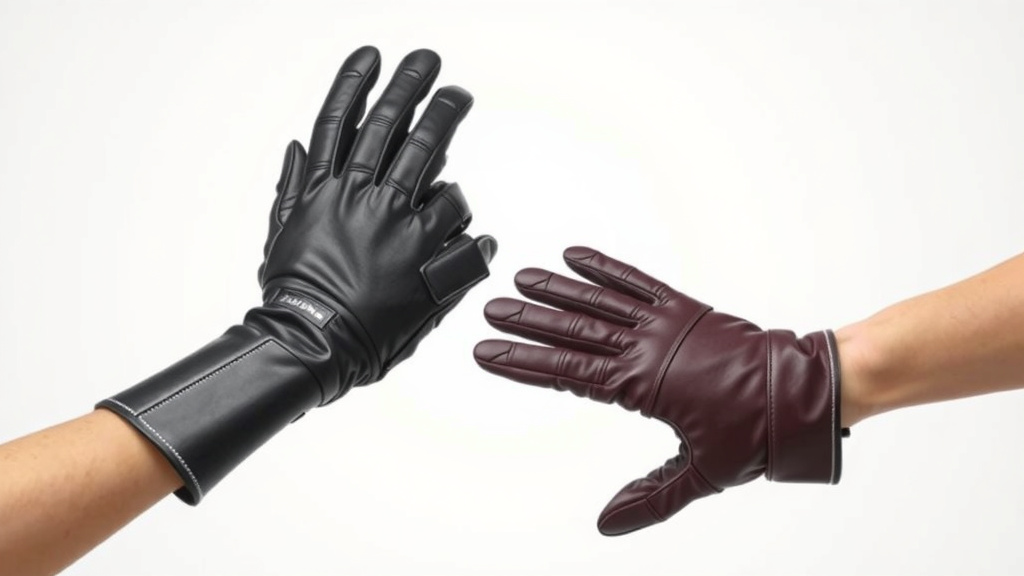
Choosing between gauntlet and wristlet gloves mainly depends on the level of protection and coverage you need. Gauntlet gloves offer extended coverage up the forearm, perfect for high-impact activities where you need to protect more than just your hands. Wristlet gloves, on the other hand, provide a snug fit around the wrist, offering better dexterity for tasks that require fine motor skills.
Think of it this way: gauntlets are like sturdy shields for your hands and lower arms, while wristlets are like a second skin that boosts your grip and control. Both are designed to keep your hands safe, but they do it in different ways. Understanding your activity will help you pick the right type of glove for the job.
TL;DR:
- Gauntlet gloves cover your forearm for maximum protection.
- Wristlet gloves fit snugly around your wrist for dexterity.
- Choose gauntlets for high-impact or dangerous tasks.
- Choose wristlets for precision and fine motor skills.
- Your activity dictates which glove style is best.
Below, we’ll walk you through the key differences between gauntlet and wristlet gloves so you can make the best choice for your needs.
Understanding Glove Styles: Gauntlet vs. Wristlet
When you’re looking for hand protection, you’ll quickly notice two main styles: gauntlet and wristlet gloves. They might look similar at first glance, but they offer very different levels of coverage and protection. Your choice really boils down to what you’ll be doing and how much safety you need. Let’s break down what each one offers so you can pick the best fit for your hands.
Gauntlet Gloves: Maximum Forearm Coverage
Gauntlet gloves extend well past your wrist, covering a good portion of your forearm. This extra length is their defining feature. It’s designed to offer superior protection for your hands and lower arms. Think of them as a reinforced shield that goes beyond just your knuckles.
What is a Gauntlet Glove?
A gauntlet glove is characterized by its extended cuff. This cuff can reach anywhere from a few inches above the wrist to halfway up your forearm. The primary purpose is to safeguard against impacts, abrasions, and sometimes even heat or chemical splashes. The extra material provides a much larger protective barrier.
When to Choose Gauntlet Gloves
You’ll want to reach for gauntlet gloves when your activity involves significant risk to your forearms. This is common in certain sports, manual labor, and hazardous work environments. They are excellent for tasks where there’s a chance of getting hit, scraped, or exposed to harsh elements. For instance, welding gloves often feature a gauntlet design to protect against sparks and heat radiating up the arm. You’ll want to reach for gauntlet gloves when your activity involves significant risk to your forearms, like those found in the best barn gloves.
Activities Benefiting from Gauntlets
- Motorcycle Riding: Protects against road rash and impacts during falls.
- Welding and Metalwork: Shields against heat, sparks, and sharp objects.
- Gardening (heavy duty): Prevents scratches from thorns and protection from soil contaminants.
- Construction and Demolition: Offers defense against debris and rough materials.
- Industrial Work: Provides a barrier against chemicals, machinery, and abrasions.
The Protection Factor of Gauntlets
The extended cuff of a gauntlet glove means there are fewer exposed areas on your hand and arm. This is especially important if you’re working with machinery where loose clothing or skin could get caught. Many studies suggest that broader coverage reduces the likelihood of certain types of injuries (CDC).
Wristlet Gloves: Dexterity and Close Fit
Wristlet gloves, also known as short cuff or standard cuff gloves, end right at or just slightly above your wrist. Their main advantage is providing a snug, secure fit that doesn’t impede movement. This allows for greater precision and control during tasks.
What is a Wristlet Glove?
These gloves have a cuff that typically sits at the base of the hand. They are designed to feel more like a second skin. The fit is usually close to the wrist, allowing for maximum finger and wrist flexibility. They offer basic protection for the palm and back of the hand.
When to Choose Wristlet Gloves
If your work or hobby requires a lot of fine motor skills, dexterity, and a good feel for what you’re touching, wristlets are likely your best bet. They are fantastic for tasks where you need to manipulate small objects or perform delicate movements. You won’t feel as bulky or restricted as you might with gauntlet gloves.
Activities Benefiting from Wristlets
- Mechanics and Auto Repair: For precise handling of small parts and tools.
- Cycling: Offers a secure grip without hindering handlebar control.
- Driving: Improves grip on the steering wheel.
- Light Construction: For tasks requiring feel and dexterity.
- Fitness and Weightlifting: Enhances grip and reduces calluses.
- General Household Tasks: For a comfortable and functional fit.
The Dexterity Advantage
The snug fit around your wrist is key here. It ensures the glove stays put without bunching up, which could affect your grip or cause discomfort. This allows your fingers and wrist to move naturally. Many athletes find this crucial for performance. Research indicates that a well-fitting glove can improve grip strength and control (National Institutes of Health).
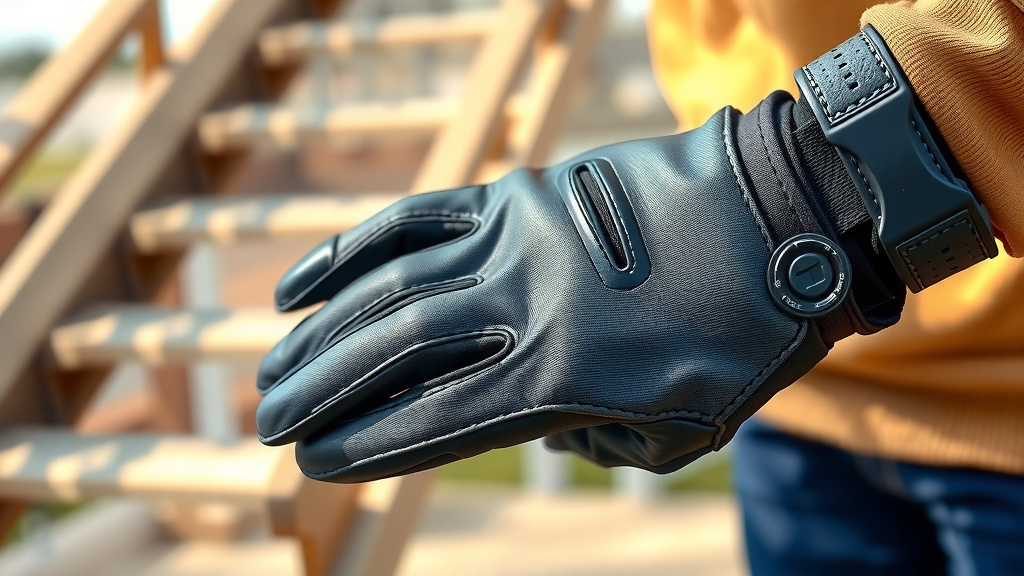
Direct Comparison: Gauntlet vs. Wristlet
To make things clearer, let’s look at a quick comparison. Both types of gloves are designed to protect your hands, but they prioritize different aspects of that protection.
| Feature | Gauntlet Gloves | Wristlet Gloves |
|---|---|---|
| Coverage | Extends past the wrist, covering the forearm. | Ends at or slightly above the wrist. |
| Primary Benefit | Maximum protection against impacts, abrasions, and exposure. | Enhanced dexterity, grip, and fine motor control. |
| Typical Use Cases | Hazardous work, high-impact sports, heavy-duty tasks. | Precision tasks, light to moderate sports, general use. |
| Potential Drawback | Can reduce dexterity and feel; may be bulkier. | Offers less forearm protection; may not be suitable for hazardous tasks. |
Making Your Final Choice: What to Consider
So, which one is right for you? It’s not a one-size-fits-all answer. You need to think about your specific needs and the environment you’ll be in.
- Assess the Risk: Are you dealing with sharp objects, heavy impacts, or potential splashes? If so, gauntlets are probably your safer bet.
- Consider Dexterity Needs: Do you need to manipulate small items or have a sensitive touch? Wristlets will likely serve you better.
- Think About Comfort: While gauntlets offer more protection, they can sometimes feel more restrictive. Wristlets are generally more comfortable for extended wear if protection isn’t the absolute top priority.
- Material Matters: Both styles come in various materials like leather, synthetic fabrics, and specialized composites. The material will affect the glove’s durability, flexibility, and protective qualities.
Ultimately, the goal is to find a glove that offers the right balance of protection and freedom of movement for your specific activity. Don’t compromise on safety, but also don’t sacrifice necessary dexterity if your task demands it. Many professionals recommend trying on both styles if possible to get a feel for the difference.
Here’s a quick checklist to help you decide:
- Have you identified the primary hazards of your activity?
- Do you need to protect your forearms from impacts or abrasions?
- Is fine motor control essential for your tasks?
- Does the glove need to offer protection from heat or chemicals?
- How important is a snug, non-bulky fit for your comfort and performance?
- Can you try on different styles before making a purchase?
Conclusion
So, you’ve learned that the main difference between gauntlet and wristlet gloves lies in their coverage. Gauntlets offer extended forearm protection, perfect for high-risk tasks, while wristlets prioritize dexterity with a snug fit. Your activity is the biggest clue to which style you need. Weigh the risks of your work or hobby against the need for precise movement. By considering these factors, you can make a confident choice for your hand health and performance. Ready to find your perfect pair? Start by identifying the hazards you face and the dexterity you require.
Frequently Asked Questions
Are gauntlet gloves too bulky for everyday tasks?
Gauntlet gloves can feel bulkier than wristlets, which might make them less ideal for very delicate everyday tasks. However, for general outdoor chores or yard work, their added protection can be very comfortable. You might find they are great for carrying firewood or handling thorny plants.
Can wristlet gloves offer any protection against impacts?
Wristlet gloves offer basic protection for your palms and the back of your hands against minor abrasions and dirt. They are not designed for heavy impacts or protection against significant force. For serious impact protection, gauntlet styles are usually a better choice.
What material is best for gauntlet gloves?
The best material depends on the specific hazard. For welding, heavy leather is excellent against heat and sparks. For industrial work, specialized synthetic fabrics might offer better chemical resistance. Always check the material’s rating for the specific protection you need.
Will wristlet gloves slip off my hands?
When properly sized, wristlet gloves should fit snugly around your wrist and not slip off. Many feature adjustable straps or elastic cuffs to ensure a secure fit. A well-fitting wristlet glove feels like a second skin, staying in place during active use.
Can I wear gauntlet gloves for sports other than motorcycling?
Yes, gauntlet gloves can be beneficial in various sports where forearm protection is needed. This includes activities like certain types of cycling where falls are common or even some forms of extreme outdoor sports. Always choose gloves designed for the specific sport to ensure optimal safety and performance.