12 oz vs 10 oz Gloves: Which Size Should You Pick?
If you’re stepping into a boxing gym for the first time or looking to upgrade your equipment, you’ve probably noticed something confusing on the glove racks. There are numbers everywhere—8 oz, 10 oz, 12 oz, 14 oz, 16 oz. It’s like walking into a shoe store and wondering if you should grab a size 9 or size 11. But here’s the thing: choosing the wrong boxing glove size can genuinely impact your training experience, your safety, and how well you develop as a fighter.
The question of 12 oz versus 10 oz gloves comes up constantly, whether you’re shopping online or chatting with folks at your local boxing club. Both sizes occupy this interesting middle ground in the boxing world, and understanding the differences between them could be the deciding factor in your purchase decision.
Understanding Boxing Glove Weights: The Basics
What Does the Number Actually Mean?
Let’s start with something simple: the number on a boxing glove refers to its weight in ounces. So a 10 oz glove literally weighs around 10 ounces, and a 12 oz glove weighs approximately 12 ounces. This might sound straightforward, but the implications of those two extra ounces are actually quite significant when you’re throwing punches for hours on end.
Think of it like this: imagine holding a water bottle in your hand while you work out. Now add another water bottle. That’s essentially what you’re dealing with when comparing these two weights. The extra weight might not seem like much on paper, but when you’re rotating your shoulders, extending your arms, and generating power through dozens of combinations, it compounds.
How Glove Weight Affects Your Training
The weight of your gloves doesn’t just sit there passively. It actively influences how your muscles work, how fast you can throw combinations, and how tired you become during training sessions. Heavier gloves mean more resistance, which translates to more work for your shoulders, arms, and core. Lighter gloves allow for quicker movements but provide less cushioning on impact.
The 10 oz Gloves: Speed and Agility Focused
What Makes 10 oz Gloves Special?
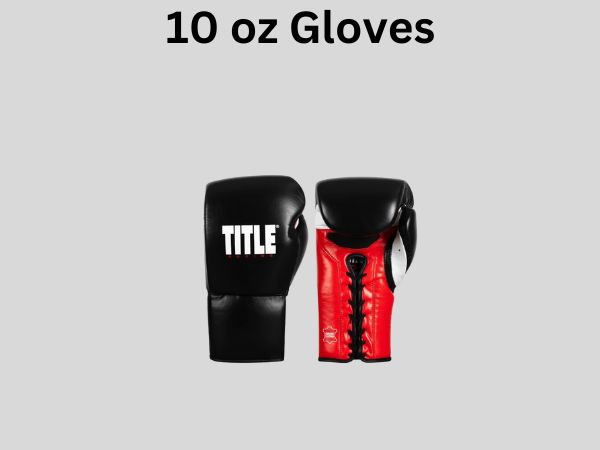
Ten-ounce gloves represent the lighter end of the popular training glove spectrum. They’re the choice of many experienced boxers, advanced amateurs, and anyone who prioritizes hand speed and footwork in their training regimen. When you slip on a pair of 10 oz gloves, the first thing you notice is how responsive they feel.
These gloves allow you to snap your punches crisper and throw combinations faster than their heavier counterparts. If you’ve ever watched a professional boxer’s training video where they’re moving like lightning, throwing flurries of punches? Many of them are likely working in lighter gloves to develop that hand speed.
Benefits of Choosing 10 oz Gloves
- Enhanced hand speed and punch velocity
- Quicker combinations and footwork development
- Less fatigue during extended training sessions
- Better for speed bag and double-end bag work
- Improved reflexes and reaction time training
- More comfortable for lighter-weight fighters
- Ideal for technical boxing practice
Potential Drawbacks of 10 oz Gloves
Now, before you get too excited about 10 oz gloves, there are some genuine considerations. These gloves provide less padding around the knuckles and the outer surface of the hand. While they’re still protective when properly fitted, they offer less cushioning for your sparring partner when you’re on the receiving end of their punches. They also transfer more impact shock back to your own hands and wrists.
Additionally, 10 oz gloves are better suited for advanced trainees who understand proper technique. If you’re brand new to boxing and still developing your form, the lighter weight might not provide enough feedback and protection while you’re learning.
The 12 oz Gloves: Protection and Versatility
Understanding 12 oz Glove Construction
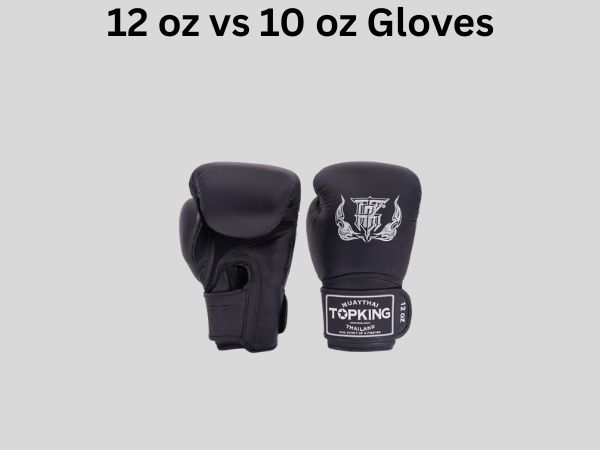
Twelve-ounce gloves are the middleman of the boxing world. They’re heavier than 10 oz but lighter than the traditional 14 and 16 oz sparring gloves. This weight range has become incredibly popular because it strikes a balance that works for many different training scenarios.
The extra two ounces in a 12 oz glove translates to additional padding material inside the glove. This padding is distributed across the knuckle area, the palm, and around the wrist. It’s like having an extra layer of shock absorption built into your equipment.
Key Advantages of 12 oz Gloves
- Superior hand and wrist protection
- Better padding for heavy bag training
- More comfortable for sparring partners
- Reduced impact shock to your hands
- Great for beginners learning proper technique
- Longer glove lifespan due to less intense impact
- Suitable for medium-weight fighters
The Limitations of 12 oz Gloves
The added weight and padding of 12 oz gloves do come with trade-offs. Your hands will fatigue slightly faster during intense combinations because you’re moving more weight. Your hand speed won’t be quite as crisp as with 10 oz gloves, and you might find them slightly bulkier when working on precision drills.
For elite athletes focusing on speed development, 12 oz gloves might feel like they’re holding you back. However, for most recreational boxers and serious amateurs, this trade-off is well worth the additional protection benefits.
Direct Comparison: 10 oz vs 12 oz Gloves
Padding and Protection Analysis
When you compare these gloves side by side, the padding difference becomes immediately apparent. The 12 oz glove has more densely packed foam padding throughout the striking surface. This means your knuckles absorb impacts more gradually across a larger area, rather than concentrating force into a smaller zone.
For your sparring partner, the difference is substantial. Being hit by a properly thrown punch in 10 oz gloves definitely stings more than the same punch in 12 oz gloves. If you’re planning to spar regularly, this matters both for your own reputation at the gym and for maintaining good relationships with training partners.
Speed and Mobility Comparison
Here’s where 10 oz gloves shine. The lighter weight allows for faster arm extension and quicker punch combinations. When you’re shadowboxing, working with speed equipment, or practicing footwork drills, you’ll notice the difference immediately. Your arms move with less resistance, allowing you to execute combinations that would be more taxing in heavier gloves.
This doesn’t mean 12 oz gloves are slow, exactly. It’s more accurate to say that 10 oz gloves are optimized for speed development, while 12 oz gloves prioritize overall training functionality.
Wrist and Hand Support Comparison
Both glove sizes provide adequate wrist support when properly fitted, but the 12 oz glove typically has slightly thicker wrist reinforcement. This extra support becomes noticeable during intense heavy bag sessions or when you’re working with a partner who hits hard.
If you’ve had previous hand or wrist issues, the additional support of 12 oz gloves might be worth the slight reduction in hand speed.
Who Should Choose 10 oz Gloves?
The Ideal Boxer for Lightweight Gloves
If you fit into one or more of these categories, 10 oz gloves are probably your best choice:
- You’re an advanced amateur or professional boxer
- You have at least one year of consistent boxing training
- Your primary goal is developing hand speed and combinations
- You weigh under 160 pounds
- You focus on technical boxing rather than power development
- You spar with partners who also prefer lighter gloves
- You’re working primarily with speed bags and double-end bags
Training Scenarios for 10 oz Gloves
These gloves excel in specific training applications. If you’re shadowboxing to develop combinations, 10 oz gloves keep your pace quick and prevent muscle fatigue from interfering with your technique work. If you’re a lighter-weight fighter, these gloves actually match better with your hand size and fighting style, much like how lighter shoes fit better on smaller feet.
Professional fighters often rotate through different glove sizes depending on what they’re working on that day. When developing speed, 10 oz becomes the go-to choice.
Who Should Choose 12 oz Gloves?
The Right Fit for Heavier Gloves
Twelve-ounce gloves work best for certain boxer profiles:
- You’re new to boxing or have less than one year of experience
- You weigh over 160 pounds
- You plan to spar frequently
- Your priority is hand and wrist safety
- You train primarily on heavy bags
- You’re developing your power and impact skills
- You’ve had previous hand or wrist injuries
Perfect Training Applications for 12 oz
If you’re building your foundation in boxing, 12 oz gloves provide the cushioning and protection that lets you focus on learning proper form without worrying excessively about hand soreness. Heavy bag training becomes more comfortable in 12 oz gloves because the additional padding reduces the repetitive stress on your hands and joints.
For beginners, this is genuinely important. Your hands are still adapting to the impact of boxing training, and having that extra protective layer helps you train more consistently without developing soreness that disrupts your schedule.
The Weight Factor: How Two Ounces Changes Everything
Muscle Fatigue and Training Duration
You might think that two ounces is negligible, but when you’re throwing hundreds of punches in a training session, that weight compounds. Studies in sports science show that increased glove weight can increase fatigue in your shoulders and arms by a measurable percentage.
However, this isn’t necessarily bad. The increased resistance in 12 oz gloves actually provides valuable training benefits. Your muscles work harder, developing more endurance and strength. It’s like the difference between running on flat ground versus running uphill—the incline makes it harder, but it builds more fitness.
Impact on Your Cardiovascular System
The extra work your muscles perform with 12 oz gloves elevates your heart rate slightly more than with 10 oz gloves during the same training intensity. This can be advantageous if you’re using glove weight as a training tool to build cardiovascular fitness.
Cost Comparison and Value Proposition
Price Differences in the Market
Generally speaking, 10 oz gloves and 12 oz gloves from the same manufacturer cost roughly the same amount. The price difference, if any, is typically minimal—maybe five to ten dollars one way or the other. The glove brand, construction quality, and materials matter far more than those two ounces when it comes to determining price.
Long-term Value and Durability
Here’s something worth considering: 12 oz gloves tend to last slightly longer than 10 oz gloves because they experience slightly less intense impact stress. The extra padding distributes force more evenly, which means the materials degrade less quickly under repeated heavy bag training.
If you’re planning to use these gloves for years, accounting for durability might tip the scales toward 12 oz, even if the initial price is identical.
Making Your Decision: A Practical Framework
Key Questions to Ask Yourself
Before making your purchase, sit down and honestly answer these questions:
- How much boxing experience do you already have?
- What’s your primary training goal right now?
- Do you spar regularly, or mostly train solo?
- What weight class do you fight in or aspire to?
- Are you dealing with any hand or wrist issues?
- What’s your available budget?
- What do experienced boxers at your gym recommend?
The Decision Tree Approach
If you’re a beginner, start with 12 oz gloves. The protection and support will serve you far better while you’re learning proper technique. You can always transition to 10 oz later once you’ve developed solid fundamentals and your hands have adapted to impact training.
If you’re an experienced boxer focusing on speed development, 10 oz gloves will better serve your training objectives. If you’re unsure, 12 oz is the safer choice because it works well across more training scenarios.
Conclusion
The choice between 12 oz and 10 oz gloves ultimately comes down to your specific situation, experience level, and training goals. There’s no universally “better” option—just the better option for you at this moment in your boxing journey.
If you’re new to boxing, prioritize protection and comfort with 12 oz gloves. Your hands will thank you as you build endurance and technique. If you’re experienced and chasing hand speed development, 10 oz gloves offer the responsiveness you’re seeking.
Consider your gym environment, your sparring partners’ preferences, and your long-term boxing ambitions. Many successful boxers eventually own both sizes because they serve different training purposes. Starting with one doesn’t lock you into that choice forever.
The most important thing isn’t which glove weight you choose—it’s that you get quality gloves that fit your hands properly and start training consistently. The best glove is ultimately the one that gets you in the gym and keeps you boxing.
Frequently Asked Questions
Can I use 10 oz gloves for heavy bag training if I’m a beginner?
Technically yes, but it’s not ideal. While 10 oz gloves are protective enough, beginners benefit from the extra cushioning that 12 oz gloves provide. Heavy bag training involves repetitive impacts, and the additional padding in 12 oz gloves reduces hand soreness and helps you train more consistently without discomfort interrupting your progress. After you’ve built hand strength and conditioning, you can experiment with lighter gloves.