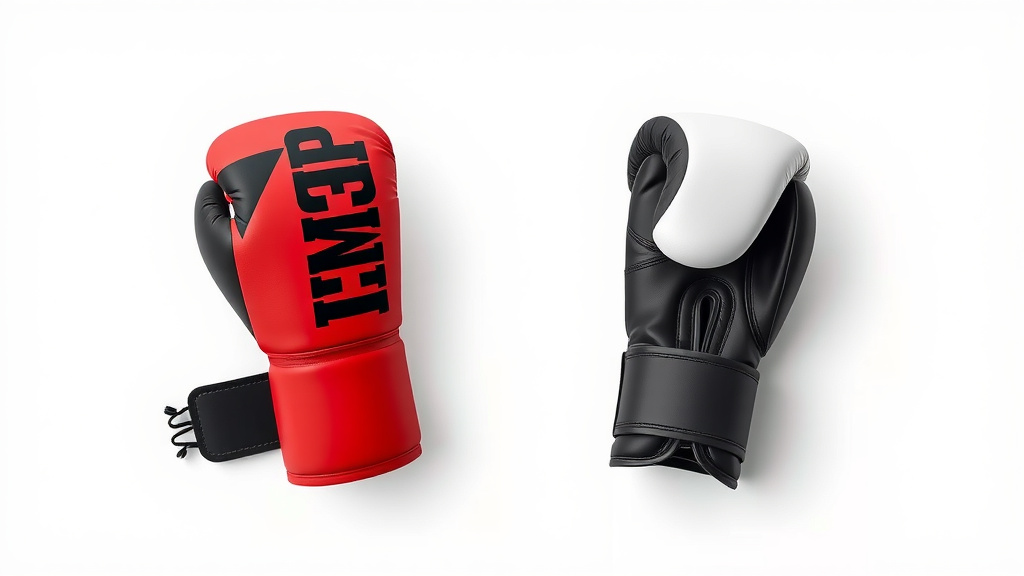
Cheap vs Expensive Boxing Gloves: Which Is Right For You
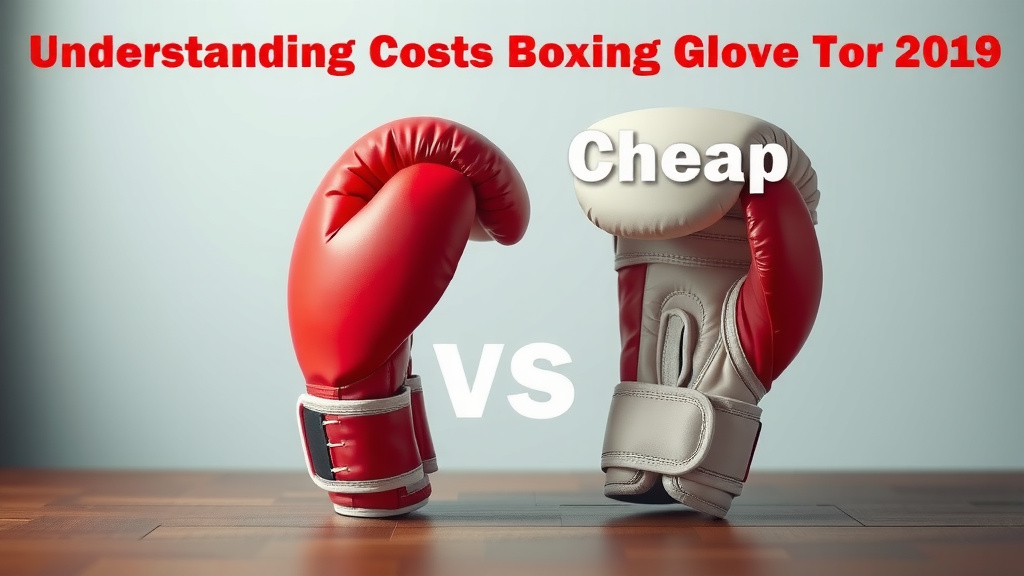
When deciding between cheap vs expensive boxing gloves, the answer often depends on your training goals and frequency. While cheaper gloves might seem tempting for a casual start, investing a bit more typically means better protection and durability for your hands and sparring partners.
Many fighters find that a mid-range glove offers the best balance. You get improved padding and better materials than the cheapest options. These gloves tend to last longer and offer superior wrist support. This can make a big difference during intense workouts.
- Price matters, but not always for the reasons you think.
- Cheaper gloves can be okay for very occasional use.
- More expensive gloves usually mean better hand protection.
- They also offer more comfort and durability over time.
- Consider your training schedule when choosing.
Let’s dive into what really separates the budget-friendly pairs from the premium picks so you can make the best choice for your boxing journey.
Understanding Boxing Glove Costs: What’s the Difference?
So, you’re wondering about the price tag on boxing gloves, right? It’s a common question. You’ve probably seen gloves ranging from $20 to $200 or even more. What makes one pair cost so much more than another? It really comes down to a few key factors. These include the **materials used**, the **construction quality**, and the **brand reputation**.
The Appeal of Budget-Friendly Gloves
Let’s talk about those super affordable gloves. They can be tempting, especially when you’re just starting out. You might think, “Why spend a lot when I’m not even sure I’ll stick with boxing?” And that’s a fair point. Cheap gloves are generally made with **less durable synthetic materials**. They might also have thinner padding. This means they might not offer the best protection for your hands. They also tend to wear out much faster. Think of them as a starter shoe – good for a few jogs, but not for marathon training.
When Are Cheap Gloves Okay?
We found that cheaper gloves can serve a purpose. They’re suitable for **very light, infrequent use**. If you’re just hitting a bag once a month or doing some very casual shadowboxing, they might suffice. They can give you a feel for the sport without a big initial investment. However, for anything more serious, you’ll likely want to look elsewhere.
Why Do More Expensive Gloves Cost More?
Now, let’s look at the other end of the spectrum. When you see those higher-priced gloves, you’re often paying for superior quality. They are typically made with **genuine leather**. This material is much more durable and lasts a lot longer. The padding is also usually of a higher quality. This means **better shock absorption** for your hands and wrists. Think of it as investing in gear that will protect you and last through many training sessions.
Materials Matter: Leather vs. Synthetic
The primary difference often comes down to the materials. Full-grain leather is the gold standard. It’s strong, flexible, and molds to your hand over time. Synthetic leathers, while improving, generally don’t offer the same longevity or feel. We found that leather gloves also tend to breathe better, which can make a big difference during a long workout.
Padding and Protection: A Key Investment
Padding is another huge factor. More expensive gloves use advanced padding technologies. These might include multi-layered foam or gel inserts. Such padding is designed to **disperse impact energy effectively**. This is crucial for preventing hand injuries. Research from sports medicine sources often highlights the importance of adequate padding in combat sports (NCBI).
The Mid-Range Sweet Spot
Many fighters find that the best value lies in the mid-range price point. These gloves offer a great balance. You’re getting better materials and construction than the cheapest options. Yet, you don’t need to break the bank like you might for elite professional gear. We found that gloves in the $60-$120 range often provide excellent performance and durability for most boxers. They represent a smart investment.
| Price Range | Typical Materials | Padding Quality | Durability | Best For |
|---|---|---|---|---|
| Under $40 | Basic Synthetic Leather | Thin, low-density foam | Low | Very Casual Use (e.g., hitting a light bag once a month) |
| $50 – $100 | Good Quality Synthetic Leather or Entry-Level Real Leather | Medium-density foam, some basic shock absorption | Moderate | Regular Training (3-4 times/week), beginners to intermediate boxers |
| $100 – $200+ | High-Quality Real Leather (Full-grain or Top-grain) | Multi-layer foam, gel inserts, advanced impact dispersion | High | Serious Training, Sparring, Advanced Boxers, long-term investment |
Durability and Longevity: An Important Consideration
Think about how often you’ll be training. If you’re hitting the gym multiple times a week, a cheap pair of gloves might fall apart in a few months. This means you’ll constantly be buying replacements. While the initial cost is lower, the **long-term cost can be higher**. Investing in a more durable pair means they’ll last much longer. This saves you money and hassle in the long run.
What Affects Glove Lifespan?
Several things impact how long your gloves will last. The **quality of the stitching** is a big one. Stronger, reinforced stitching holds up better under stress. The **type of leather or synthetic material** also plays a role. As we mentioned, real leather generally outlasts synthetics. Finally, **how you care for them** makes a difference. Always air them out after use. Never store them in a gym bag while still damp. This prevents odors and material breakdown.
Brand Reputation and Features
Sometimes, a higher price tag also reflects a well-known brand. Established boxing brands invest heavily in **research and development**. They often create unique designs and features. You might find gloves with superior wrist support, improved ventilation, or specialized padding. While you don’t always need the most expensive brand, a reputable name can be a good indicator of quality. We found that many fighters trust certain brands for their consistent quality and performance.
Your Training Needs Dictate Your Choice
Ultimately, the best glove for you depends on your personal circumstances. Consider these points:
- How often do you train? Daily training demands more durable gloves.
- What kind of training do you do? Heavy bag work and sparring require different levels of protection.
- What’s your budget? Be realistic about what you can spend.
- Do you have any existing hand or wrist issues? If so, investing in better support is wise.
- Are you a beginner or experienced fighter? Experience often leads to understanding your needs better.
Choosing the right gloves isn’t just about price; it’s about **finding the right balance of protection, durability, and comfort** for your boxing journey.
Conclusion
Choosing between cheap and expensive boxing gloves comes down to your training intensity and goals. While budget gloves might seem like a good starting point, we found they often lack the protection and durability needed for regular workouts. Investing a bit more, especially in the mid-range, usually means better materials like leather, superior padding for your hands, and gloves that last much longer. This saves you money and prevents injuries in the long run. Before you buy, honestly assess how often you’ll train and what type of training you’ll do. Your hands will thank you for making a smart choice!
Frequently Asked Questions
How often do I really need to replace cheap boxing gloves?
If you’re using cheap gloves for anything more than very casual bag work a few times a month, expect to replace them within six months to a year. The synthetic materials and thinner padding simply don’t hold up to frequent, intense use.
Can cheap gloves cause hand injuries?
Yes, they absolutely can. Cheaper gloves often have less padding and poor wrist support. This means your hands and wrists absorb more impact, increasing the risk of sprains, bruises, or even more serious injuries over time.
Is genuine leather always better for boxing gloves?
Generally, yes. We found that high-quality genuine leather, like full-grain, offers superior durability, flexibility, and breathability compared to most synthetic options. It molds to your hand and holds up much better to sweat and impact.
What’s the difference between gloves for bag work and sparring?
Gloves designed for sparring often have thicker, softer padding to protect your training partners. Bag gloves might have a bit less padding but can be more durable for repeated heavy impact. Both types benefit from good construction and support.
Is it worth buying expensive gloves if I’m just a beginner?
It’s a smart investment if you plan to train regularly. While you don’t need the absolute top-tier pro gloves, a mid-range pair ($60-$120) offers better protection and durability than the cheapest options, helping you develop good habits and preventing early injuries.