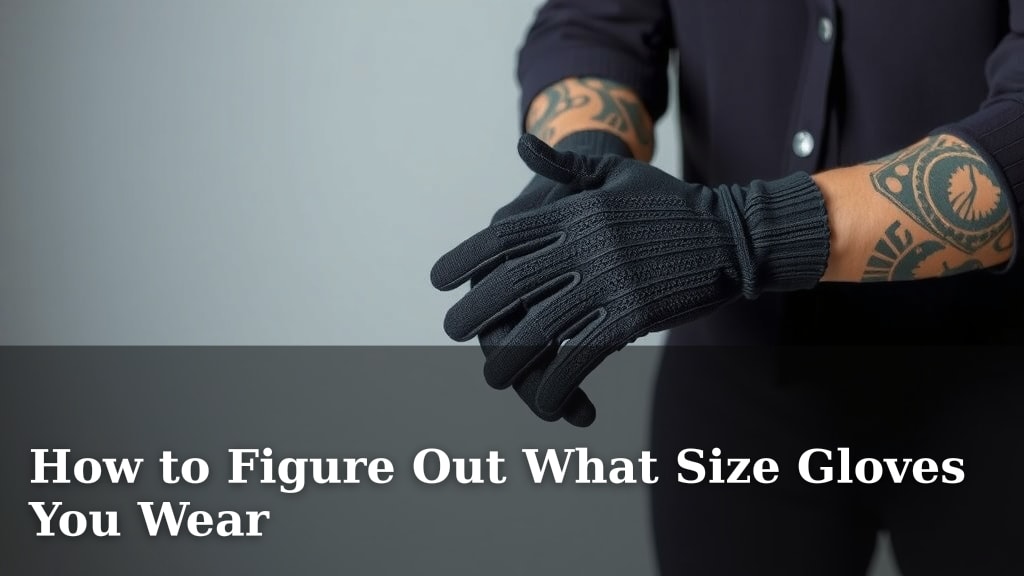
How to Figure Out What Size Gloves You Wear
Finding the right glove size is simple once you know your measurements. To figure out what size gloves you wear, you’ll need a flexible tape measure and a little bit of patience. Measure the circumference of your dominant hand’s palm, just below the knuckles, and compare it to a size chart to find your perfect fit. Getting this measurement right means you’ll enjoy maximum comfort and dexterity.
Gloves that are too small can restrict movement and make your hands feel cramped. On the other hand, gloves that are too large can be bulky and reduce your grip. Understanding your glove size is essential whether you’re shopping for work gloves, athletic gear, or stylish winter wear. We’ll guide you through a straightforward process for finding that ideal glove size every time.
- Measure your dominant hand’s palm circumference.
- Use a tape measure just below your knuckles.
- Compare your measurement to a standard glove size chart.
- This ensures a comfortable and functional fit.
Ready to find your perfect glove fit? Let’s walk through exactly how to measure your hands step by step.
“`htmlYour Guide to Perfect-Fitting Gloves
So, you need new gloves but aren’t sure about the size? It’s more common than you think! Finding the right fit isn’t just about comfort. It can actually affect how well you can grip things and even prevent injuries. Let’s break down exactly how to get that perfect glove size for your hands.
Measuring Your Hand for Gloves
The most important step is getting an accurate measurement of your dominant hand. We’ll walk you through this simple process.
What You’ll Need
Gathering your supplies is easy. You just need a few common household items. This makes it simple to measure your hands whenever you need to.
- A flexible tape measure (like a tailor’s tape measure)
- A pen and paper to write down your measurement
Step-by-Step Measurement Process
Let’s get your hand ready for measuring. It’s a straightforward process that only takes a minute or two.
Prepare Your Hand
Make sure your hand is relaxed. Don’t clench your fist or stretch it out too much. Just let it rest naturally. Many experts recommend measuring your dominant hand. This is typically the hand you write with.
Measure the Circumference
This is the key measurement for glove sizing. Wrap the flexible tape measure around the fullest part of your palm. You want to measure just below your knuckles. Be sure not to include your thumb in the measurement. The tape should be snug but not too tight. You should be able to comfortably slide a finger under the tape. This measurement is usually in inches or centimeters, depending on the chart you use.
Note Your Measurement
Once you have the tape measure in place, note the number. Write it down on your paper so you don’t forget it. This number is what you’ll compare to a sizing chart.
What If You Don’t Have a Tape Measure?
No flexible tape measure? No problem! You can still get a good measurement. Grab a piece of string or a shoelace. Wrap it around your palm just like you would with a tape measure. Mark the string where the end meets the rest of it. Then, lay the string flat next to a ruler or a rigid tape measure to find the length. This works just as well for finding your glove size.
Understanding Glove Size Charts
Once you have your hand measurement, it’s time to compare it to a standard chart. This is where you find your actual glove size.
Locating a Size Chart
Most glove manufacturers provide their own sizing charts. You can usually find these on their website. If you’re shopping in a store, the charts are often posted near the gloves. Sometimes, a general glove sizing chart will do the trick. We’ve put together a common chart below to help you get started.
Using the Size Chart
Look for the measurement that is closest to your hand circumference. Charts typically list measurements in inches or centimeters. They will then show the corresponding glove size. Most charts will have standard sizes like Small, Medium, Large, or specific numbers like 7, 8, 9, etc. Remember to check the chart’s units of measurement.
Sample Glove Size Chart (General Guide)
This is a general guideline. Always check the specific brand’s chart if possible. Different brands can have slightly different fits.
| Hand Circumference (Inches) | Hand Circumference (Centimeters) | Glove Size |
|---|---|---|
| 6 – 6.5 | 15.2 – 16.5 | XS / 6 |
| 7 – 7.5 | 17.8 – 19.1 | S / 7 |
| 8 – 8.5 | 20.3 – 21.6 | M / 8 |
| 9 – 9.5 | 22.9 – 24.1 | L / 9 |
| 10 – 10.5 | 25.4 – 26.7 | XL / 10 |
| 11+ | 27.9+ | XXL / 11+ |
What About Glove Length?
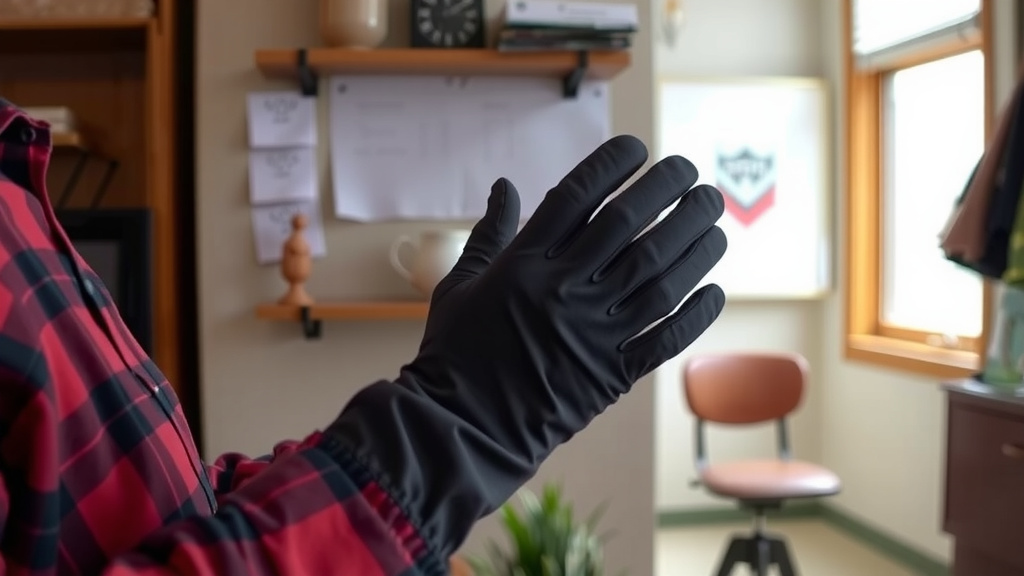
For most everyday gloves, hand circumference is the primary measurement. However, some specialized gloves, like ski gloves or gauntlets, might also require a measurement for hand length. This is usually measured from the tip of your middle finger down to the wrist. If a chart asks for length, you’ll need to measure that too. You can do this by measuring from the tip of your longest finger straight down to where your palm meets your wrist.
Tips for Finding the Best Fit
Getting the size right is crucial. Here are a few extra tips to ensure your gloves fit like a second skin.
When in Doubt, Size Up Slightly
It’s generally better to have gloves that are a tiny bit too large than too small. Gloves that are too tight can restrict blood flow and make your hands cold. They can also be really uncomfortable for extended wear. A little extra room is often preferable for warmth and comfort, especially in colder weather.
Consider the Material
Different glove materials stretch and fit differently. Leather gloves, for instance, tend to stretch and mold to your hand over time. Fabric gloves might have less give. If you’re buying leather gloves, you might be able to get away with a slightly snugger fit initially. They will loosen up with use. Always check product descriptions for fit recommendations.
Try Them On If Possible
The best way to know for sure is to try gloves on before you buy them. Wiggle your fingers. Make sure there’s no pinching or binding. You should be able to make a fist comfortably. There shouldn’t be excessive bulk or empty space, especially in the fingertips. This is often the most reliable method for a perfect fit.
Your Glove Fit Checklist:
To recap, here’s a quick checklist to make sure you’ve got the right fit:
- Did you measure your dominant hand’s palm circumference just below the knuckles?
- Did you use a flexible tape measure or string?
- Did you compare your measurement to a reliable size chart?
- Are the gloves comfortable with no pinching or tightness?
- Can you move your fingers freely without restriction?
- Is there a little extra room for warmth if needed?
Conclusion
You’ve now got the confidence to find your perfect glove size. Remember, a proper fit means better comfort and control. You learned how to measure your dominant hand’s palm circumference accurately. You also know how to use a sizing chart, even a general one, to find your match. If you don’t have a tape measure, a simple string or shoelace works too. Don’t forget to consider the material and when in doubt, a slightly larger size is often the way to go. Your next step is to grab that tape measure and find your ideal glove size today!
Frequently Asked Questions
How do I know which hand is my dominant hand?
Your dominant hand is typically the one you use for writing or other fine motor tasks. Most people are right-handed, but if you’re left-handed, measure your left hand. Measuring your dominant hand ensures the best fit for your most-used hand.
What if my measurement falls between two sizes on the chart?
When your measurement is between sizes, it’s usually best to go with the larger size. Gloves that are slightly too big are generally more comfortable than gloves that are too tight. A little extra room can also add warmth.
Do I need to measure my hand length for all gloves?
For most casual and everyday gloves, hand circumference is the only measurement you’ll need. Specialized gloves like ski or work gloves might require a hand length measurement from your longest finger to your wrist.
How much should gloves stretch over time?
Materials like leather will naturally stretch and mold to your hand with wear. Expect about a quarter to a half-inch of stretch over the first several uses. Fabric gloves typically have less give.
Can I use my glove size from one brand for another brand?
While general sizing charts provide a good starting point, sizing can vary between brands and even glove styles. It’s always best to consult the specific brand’s size chart if possible. This ensures the most accurate fit for that particular glove.