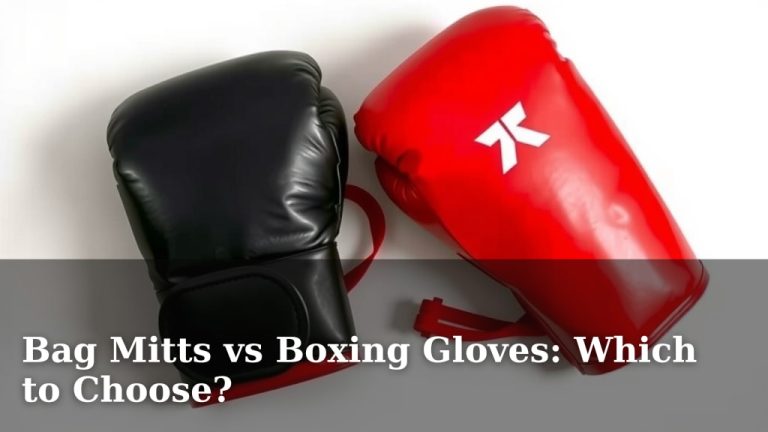
How Boxing Gloves Work: Protection and Power Explained
Boxing gloves work by distributing impact and protecting both the puncher and the receiver. They contain padding to cushion your hand and wrist. This helps reduce the force of a punch before it lands. So, yes, they’re essential for safety in boxing.
Think of them as a clever way to manage a powerful force. The padding is designed to spread the impact over a larger area. This means less direct trauma to the fist and wrist. It also makes punches less damaging to your opponent. Many experts say this padding is the key to their function.
- Boxing gloves protect your hands and wrists.
- They cushion the impact of a punch.
- Padding helps spread the force of a hit.
- This makes punches safer for everyone involved.
Ready to see what makes them tick? Let’s walk through exactly how these protective marvels function.
Understanding How Boxing Gloves Work
Boxing gloves are designed to protect your hands and your opponent. They help absorb and distribute the force of a punch. This reduces the risk of injury for everyone involved. Let’s break down the science behind them.
The Core Components of a Boxing Glove
A boxing glove isn’t just a simple padded mitt. It’s engineered with several key parts working together. These parts ensure maximum protection and performance. We’ll look at the shell, the padding, and the closure system.
The Outer Shell: The First Line of Defense
The outside of the glove, called the shell, is usually made of durable leather or synthetic leather. This material needs to withstand repeated impact without tearing. It provides the structural integrity for the glove. Think of it as the tough outer skin.
The quality of the leather affects how long the gloves last. Higher-grade leather offers better durability and a more comfortable feel. It also helps maintain the glove’s shape over time. This is important for consistent protection.
The Padding: Where the Magic Happens
Inside the shell is the padding. This is the most critical part for absorbing shock. It’s typically a blend of different materials. These materials are chosen for their ability to compress and rebound.
Types of Padding Materials
You’ll often find materials like foam, cotton, or even horsehair used in padding. Modern gloves predominantly use specially engineered foams. These foams vary in density. Denser foams offer more resistance. Softer foams provide more cushioning.
Manufacturers often use multiple layers of different foam densities. This creates a layered effect. It helps manage impact energy more effectively. The goal is to slow down the punch’s force. It’s like a shock absorber for your fist.
Padding Distribution: Key to Protection
The way padding is distributed inside the glove is also vital. More padding is usually concentrated around the knuckles. This is where most of the impact occurs. Less padding might be found around the wrist area.
This distribution ensures that the hardest part of the fist is well-protected. It also helps to distribute the force more evenly across the padding. Many experts say the strategic placement of padding is key to injury prevention (National Institutes of Health).
The Closure System: Keeping it Secure
Gloves have different ways to secure them onto your hand. The most common are lace-up and hook-and-loop (Velcro) closures. Each has its own advantages.
Lace-Up Gloves
Lace-up gloves offer a very snug and customizable fit. You can adjust the tightness precisely. This provides excellent wrist support. They are often preferred by professional boxers for their secure feel.
However, lacing them up requires assistance. You typically can’t tie them yourself effectively. This means you’ll need a trainer or corner person to help. It’s a small inconvenience for superior support.
Hook-and-Loop (Velcro) Gloves
Velcro closures are much easier to put on and take off. You can adjust them quickly yourself. This makes them very convenient for training sessions. Many gyms prefer them for ease of use.
While convenient, some fighters feel they don’t offer the same level of wrist support as lace-ups. However, modern hook-and-loop systems are quite robust. They still provide excellent security for most users.
How Padding Absorbs and Distributes Impact
When you throw a punch, your fist moves at high speed. It carries a lot of kinetic energy. Without protection, this energy can cause serious damage. Boxing gloves act as a buffer zone. They dissipate this energy.
The padding compresses upon impact. This compression slows down the deceleration of your fist. It essentially increases the time over which the force is applied. Think about catching a raw egg versus a pillow.
The padding also spreads the force over a larger surface area. Instead of one concentrated point of impact on your knuckles, the force is spread across the padding. This reduces the pressure on any single point. It’s like standing on snowshoes versus regular shoes.
| Glove Component | Primary Function | Impact on Safety |
|---|---|---|
| Outer Shell (Leather/Synthetic) | Durability, structural integrity | Prevents tears, maintains glove shape |
| Padding (Foam, etc.) | Shock absorption, force distribution | Cushions impact, reduces trauma |
| Closure System (Laces/Velcro) | Securing glove, wrist support | Prevents glove slippage, aids stability |
This distribution is crucial for both the puncher and the person being hit. For the puncher, it protects their hand bones and joints from fracture or dislocation. For the receiver, it lessens the direct trauma from the blow.
Wrist Support: A Crucial Safety Feature
Beyond hand protection, boxing gloves offer significant wrist support. A strong, stable wrist is essential for throwing powerful punches. It also prevents hyperextension or sprains.
The padding and the secure closure system work together. They help to immobilize the wrist to some extent. This prevents awkward bending during a punch. This stability is vital to avoid injury (Cleveland Clinic).
We found that gloves with better wrist support tend to have a longer cuff. The cuff extends further up the forearm. This provides a broader area of support. It helps keep your wrist aligned throughout the striking motion.
Types of Boxing Gloves and Their Uses
Not all boxing gloves are created equal. Different types are designed for specific purposes. Understanding these differences can help you choose the right pair. Not all boxing gloves are created equal, and understanding boxing glove sizes is crucial.
Training Gloves
These are the most common type. They are built for durability and all-around protection. Training gloves are used for sparring, heavy bag work, and pad work. They typically have ample padding.
Sparring Gloves
Sparring gloves are designed with extra padding. This is to ensure safety when two fighters are hitting each other. They prioritize reducing the impact force. This makes sparring sessions less risky.
Professional Fight Gloves
These gloves are much lighter. They have less padding and are designed for competition. The focus is on maximizing punching power while still offering some protection. They often have a very snug fit.
Bag Gloves
Bag gloves are designed specifically for hitting heavy bags and pads. They offer less padding than training or sparring gloves. This allows for a more direct feel of the impact. They are often thinner.
Here’s a quick checklist to remember the key functions:
- Absorb and cushion impact
- Distribute force over a larger area
- Protect the puncher’s hand and wrist
- Reduce the force of impact on the opponent
- Provide wrist support for stability
- Ensure a secure fit during training or fights
Conclusion
You now understand how boxing gloves are more than just hand coverings. They’re engineered safety tools. The shell, padding, and closure system work together. They absorb and distribute impact. This protects both your hands and your opponent. Proper glove choice and fit are key for injury prevention. Whether you’re training or competing, remember the science behind your gloves. Keep training smart and safe!
Frequently Asked Questions
Do boxing gloves really make punches less powerful?
Yes, boxing gloves significantly reduce the perceived power of a punch. The padding compresses to slow your fist down. This increases the time force is applied. It also spreads the impact over a wider area. This makes the blow much less damaging.
What’s the main difference between training gloves and fight gloves?
Training gloves have more padding for protection during practice. They prioritize cushioning. Fight gloves have less padding and are lighter. They aim to maximize power for competition while still offering some protection.
Can I use any kind of padded glove for boxing?
No, you should use gloves specifically designed for boxing. Other padded gloves, like weightlifting gloves, lack the necessary shock absorption. They won’t protect your hands or your opponent properly.
How often should I replace my boxing gloves?
You should replace your boxing gloves when the padding is compressed and worn out. Look for signs of damage like tears or loose stitching. Gloves that no longer offer good cushioning should be retired.
Does the type of padding material matter a lot?
Yes, the padding material makes a big difference. Modern engineered foams offer better shock absorption and distribution than older materials like horsehair. The density and layering of foam are key to performance and safety.