How Goalkeeper Gloves Are Made: A Detailed Look
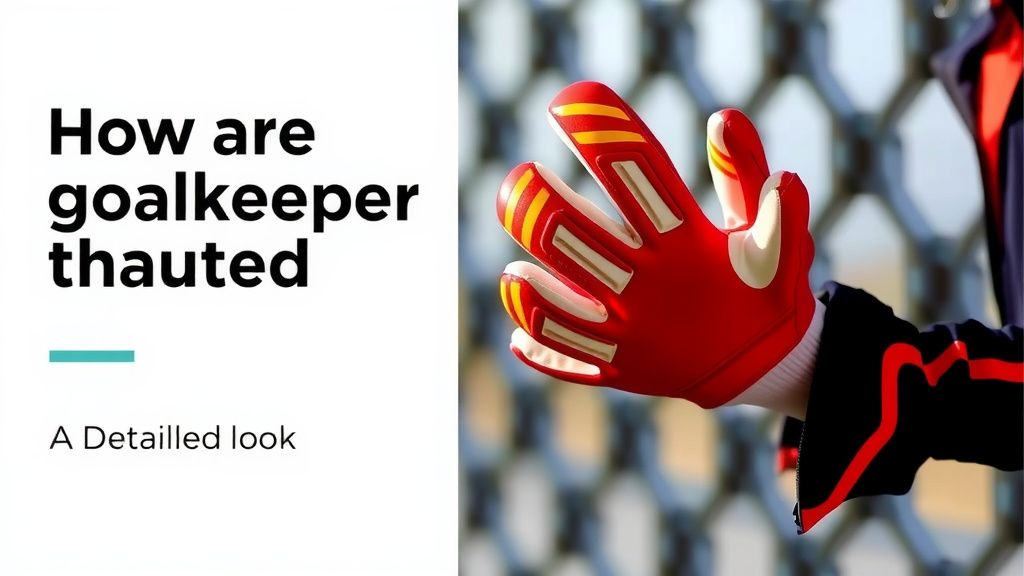
Goalkeeper gloves are made through a multi-step process involving careful selection of materials like latex and neoprene, followed by precise cutting, stitching, and application of the palm for grip. The final gloves are then finished with secure fastenings, ensuring they offer both protection and control for your hands on the field. It’s a combination of craftsmanship and specialized materials.
Making these essential pieces of equipment involves more than just sewing. Manufacturers use specialized techniques to ensure the latex palm provides the best possible grip in various weather conditions. The internal construction is designed for comfort and to manage moisture, keeping your hands dry and focused during intense play. Understanding this process helps you appreciate the quality and performance you expect from your gloves.
- Goalkeeper gloves are made with latex and neoprene.
- The process includes cutting, stitching, and adding the palm.
- Secure fastenings are added for a snug fit.
- Specialized techniques ensure maximum grip and comfort.
- This blend of skill and materials creates high-performance gloves.
Ready to see how these vital pieces of equipment come to life? Let’s walk through exactly how goalkeeper gloves are made, step by step.
You might be wondering what goes into creating those sticky palms and supportive backhands you rely on. It’s a fascinating blend of material science and skilled craftsmanship. Let’s break down the journey of a goalkeeper glove from raw materials to your hands.
The Craft Behind Your Goalkeeper Gloves
Goalkeeper gloves are constructed through a detailed process. Manufacturers carefully choose specific materials. These materials are then cut and stitched with precision. The final steps involve adding the palm and securing the glove for a comfortable fit.
Selecting the Right Materials
The foundation of any good goalkeeper glove lies in its materials. You’ll find two main components: latex for the palm and other fabrics for the backhand and body.
Latex for the Palm: The Grip Master
The palm is where all the magic for grip happens. High-quality goalkeeper gloves use natural latex. This is a milky white fluid tapped from rubber trees. It’s then processed into sheets. The type of latex and its thickness greatly affect the glove’s grip and feel. Thicker latex often offers more cushioning and durability. Thinner latex can provide a more sensitive touch.
Manufacturers use different latex formulations. Some are designed for maximum grip in dry conditions. Others are engineered for wet weather performance. Many modern gloves use a hybrid latex. This aims to provide a balance of grip and durability across various conditions. You’ll often see terms like “Grip Latex” or “All-Weather Grip.” These refer to these specialized blends.
The Backhand and Body: Comfort and Support
While the palm is all about grip, the rest of the glove needs to offer support and comfort. This is where materials like neoprene, mesh, and textiles come into play. Neoprene is a synthetic rubber. It’s flexible and provides good insulation. This can help keep your hands warm in cooler weather. It also adds a bit of padding.
Mesh fabrics are often used for breathability. This helps to prevent your hands from overheating during a match. Textiles can be used for durability and structure. Some gloves feature a special foam layer inside. This foam is designed to absorb shock from powerful shots. It also adds a softer feel against your hand.
Cutting and Stitching: Precision is Key
Once the materials are ready, the gloves are cut. This is a precise step. Skilled workers use specialized patterns or automated cutting machines. These ensure that each piece is the exact size and shape needed. The goal is consistency. Every glove should feel the same.
The cut pieces are then stitched together. This is often done by hand or with specialized sewing machines. There are different stitching methods. Some create a snugger fit. Others allow for more finger flexibility. The most common types are:
- Flat Palm: The simplest stitch. It offers a large surface area for catching. This stitch is often found on entry-level gloves.
- Roll Finger: The latex palm is rolled around the fingers. This gives a larger catching area and a snug fit.
- Negative Cut: Seams are on the inside of the glove. This provides a very tight, glove-like fit. It’s preferred by many professional goalkeepers for maximum feel.
- Hybrid Cut: This combines elements of different cuts. For example, it might roll the little finger and negative cut the index and middle fingers.
The stitching needs to be strong. It must withstand the force of saves and the general wear and tear of a game. Poor stitching can lead to seams breaking. This can reduce the glove’s lifespan and performance.
Assembling Your Goalkeeper Gloves: From Parts to Whole
With the main pieces cut and stitched, the glove starts to take its final form. This phase focuses on attaching the critical grip elements and ensuring a secure fit.
Applying the Latex Palm
This is a very delicate step. The latex palm, already cut to shape, is carefully attached to the glove body. It’s glued and stitched in place. The way the latex is attached affects how the glove flexes and fits. For roll finger and negative cut gloves, the latex is often wrapped around the fingers. This maximizes the surface area that makes contact with the ball.
Manufacturers pay close attention to the adhesion. A strong bond between the latex and the rest of the glove is essential. If the latex peels away, the grip is compromised. This can happen if the glue isn’t applied evenly or if the stitching is too tight or too loose.
Adding the Fastening System
How does the glove stay on your hand? It’s all about the fastening system. Most goalkeeper gloves use a Velcro strap. This strap wraps around the wrist. It allows you to adjust the tightness. This ensures a secure fit. It also makes the gloves easy to put on and take off.
The width and length of the strap can vary. Some straps are wider for more support. Others are narrower for less bulk. Many gloves also have an elasticated cuff. This helps to create a snug fit around your wrist before the strap is even fastened. This combination of cuff and strap is vital for keeping the glove in place.
Internal Comfort and Features
Beyond the external construction, what’s happening inside? Many gloves have internal padding. This can be a soft textile lining. It adds comfort and helps manage moisture. Some gloves have ventilation panels. These are often small holes or mesh inserts. They allow air to circulate. This helps keep your hands cooler and drier.
Moisture management is a big deal. Sweaty hands can reduce grip. Manufacturers use breathable materials. They also design the interior to wick away sweat. This can make a big difference during a long match or in hot weather. You want your gloves to feel good from the first whistle to the last.
The Final Touches and Quality Check
Even after assembly, there are still a few important steps before a glove is ready for you.
Finishing and Branding
The gloves are trimmed of any excess threads. Any excess glue is cleaned away. Then, branding is applied. This usually involves printing logos or names onto the strap or the backhand. The finish needs to look clean and professional.
Quality Control: Ensuring Performance
Before gloves are shipped out, they undergo a quality check. Inspectors look for any defects. This could be stitching errors, glue marks, or issues with the latex. They might even test the grip. This ensures that the gloves meet the brand’s standards. You want to be sure your gloves are ready to perform when you need them most. Many manufacturers will have a chart outlining the key components and their purpose.
| Component | Primary Material(s) | Main Function |
|---|---|---|
| Palm | Latex | Grip, cushioning, ball control |
| Backhand | Neoprene, Mesh, Textiles | Protection, flexibility, breathability |
| Cuff & Strap | Elastic, Velcro, Latex | Secure fit, wrist support, easy adjustment |
| Internal Lining | Textiles, Foam | Comfort, moisture management, shock absorption |
Understanding these parts helps you appreciate why certain gloves feel and perform differently. It’s a thoughtful design process.
A Checklist for Glove Quality
When you’re looking at new gloves, consider these points:
- Is the latex consistent in thickness and color?
- Are the stitches neat and even?
- Does the strap secure firmly without being too stiff?
- Is the internal lining smooth and comfortable?
- Does the glove feel flexible where it needs to be?
- Are there any visible flaws or defects?
Conclusion
So, you’ve seen how your goalkeeper gloves are crafted with precision! From selecting the right latex for maximum grip to stitching with care and adding secure fastenings, it’s a detailed process. Each step ensures your gloves offer both protection and control when you need it most. Understanding this craftsmanship helps you appreciate the performance you get. Now you can choose your next pair with confidence, knowing what goes into making them work so well.
Frequently Asked Questions
How does the type of latex affect my glove’s performance?
The latex on the palm is key to your grip. Different latex formulations are designed for specific conditions. Thicker latex offers more cushioning and durability, while thinner latex provides a more sensitive touch and feel for the ball. Many gloves use hybrid latex blends for all-around performance.
What’s the difference between the glove cuts (Flat, Roll, Negative)?
The cut affects the fit and catching surface. Flat palms offer a large, simple catching area, often found on beginner gloves. Roll fingers wrap the latex around your fingers for a snugger feel and larger contact zone. Negative cuts have seams inside, providing a very tight, glove-like fit preferred by many pros.
Why is stitching important in goalkeeper gloves?
Stitching holds your glove together and impacts its fit and flexibility. Strong, quality stitching ensures durability against hard shots and constant use. Different stitching methods, like flat, roll, negative, or hybrid cuts, are chosen to give you a specific feel and fit.
Can glove materials really help with sweaty hands?
Yes, absolutely! Breathable materials like mesh and specific internal textile linings are designed to manage moisture. They help wick sweat away from your skin, keeping your hands drier. This is essential because sweaty hands can significantly reduce your glove’s grip on the ball.
How can I tell if my goalkeeper gloves are good quality?
Look for consistent latex thickness and color on the palm, and neat, even stitching. Check that the strap fastens securely and that the internal lining feels smooth. The glove should also feel flexible in the right places and be free from any visible flaws or defects.