Boxing Gloves vs Bare Knuckle: What’s the Difference
When it comes to fighting, boxing gloves offer much more protection than bare knuckles. While bare-knuckle boxing is the older form, gloves were developed to safeguard both the fighter’s hands and their opponent. You’ll find they make a big difference in reducing injuries.
The debate between gloves and bare knuckles often comes up. We found that bare-knuckle fighting can lead to more cuts and broken bones. Boxing gloves, on the other hand, distribute impact. This reduces the force on any single point of the hand. It’s about making the sport safer for everyone involved.
- Boxing gloves protect your hands and your opponent.
- Bare-knuckle fighting has a higher risk of hand injuries.
- Gloves distribute impact, lessening the force on bones.
- Modern boxing prioritizes safety with padded gloves.
Let’s get into the details of why this distinction matters so much. We’ll look at what makes each method different and what that means for the fighters.
Understanding Hand Protection: Boxing Gloves Versus Bare Knuckle
When you step into the ring, or even just think about it, a big question is how to protect your hands. We looked into the differences between fighting with boxing gloves and going bare knuckle. You’ll find that gloves dramatically reduce the risk of injury to your hands.
The Bare Knuckle Reality: A Higher Risk
Going bare knuckle means your hand is directly hitting another person. Your bones, joints, and skin take the full force of the impact. We found that this can lead to a lot of problems, fast. Cuts and abrasions are common. You might also experience deeper tissue damage. It’s like hitting a brick wall with just your fist; pain and damage are almost guaranteed.
Common Bare Knuckle Injuries
Think about the delicate bones in your knuckles and the bones in your hands. When you hit something hard without padding, these can fracture. This is often called a “boxer’s fracture.” It’s a common injury in bare-knuckle fighting (NCBI). You can also sprain or break the small bones in your wrists. Tendon damage and ligament tears are also serious risks. These injuries can sideline you for a long time.
Impact on the Opponent
Bare knuckle striking also means your opponent takes more direct damage. The force is concentrated on a smaller area. This leads to more severe cuts and bruises. While the goal is to win, unnecessary harm is a concern for many. Many professional boxing organizations moved away from bare knuckle for this reason.
The Science Behind Boxing Gloves
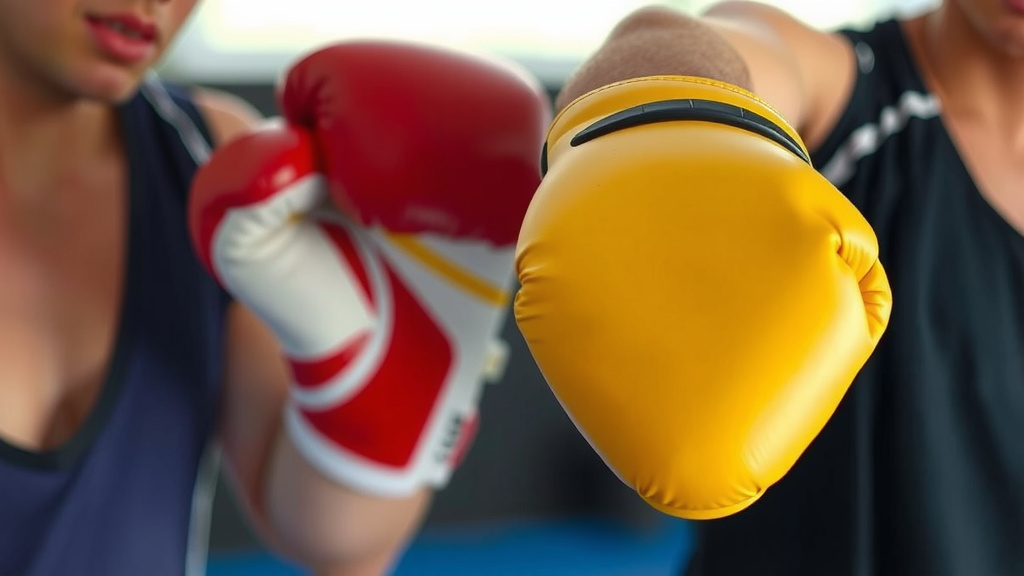
Boxing gloves are designed with padding. This padding serves a critical purpose. It helps distribute the force of the impact over a larger area. Instead of one knuckle taking the full hit, the force spreads out. This greatly reduces the pressure on any single bone or joint.
How Padding Works
The materials inside boxing gloves, like foam or felt, compress upon impact. This compression absorbs some of the shock. Think of it like hitting a pillow versus hitting a hard surface. The pillow gives way and softens the blow. Gloves do something similar for your hands. This shock absorption is key to injury prevention.
Protecting Both Fighters
Gloves don’t just protect the wearer’s hands; they also protect the opponent. By softening the blow, they reduce the likelihood of severe cuts and concussions. Many sports medicine professionals agree that padded gloves contribute to a safer fighting environment for everyone involved (Cleveland Clinic).
Comparing Hand and Wrist Health: A Closer Look
Let’s break down what happens to your hands and wrists in both scenarios. It’s a clear difference when you look at the potential for damage.
Bare Knuckle: A Recipe for Hand Trauma
When you don’t use gloves, your metacarpals (the long bones in your hand) and phalanges (your finger bones) are exposed. The impact force travels directly through these bones. We found that repeated blows without protection can lead to chronic pain and arthritis later in life. It’s a high price to pay for the thrill of the fight.
Boxing Gloves: Smart Protection for Your Fists
With boxing gloves, the padding acts as a buffer. It spreads the force across the entire glove. This means the pressure on your knuckles and hand bones is significantly less. Your wrist is also often supported by the lace-up or velcro closure, helping to prevent hyperextension.
Wrist Support and Stability
Many modern boxing gloves offer excellent wrist support. This is crucial because the wrist is vulnerable. A well-designed glove can help keep your wrist in a neutral position, reducing the strain. This stability is vital for preventing sprains and more serious injuries.
Reduced Impact on the Opponent’s Head
Beyond hand injuries, gloves also lessen the concussive force transmitted to an opponent’s head. While head trauma is still a risk, the padding in gloves is shown to reduce some of the shock. This aspect of safety has been a major driving force in boxing’s evolution. It’s about making the sport more responsible.
The Evolution of Glove Design and Safety Standards
Boxing didn’t always use the padded gloves we see today. The journey from bare knuckle to modern gloves is a story of increasing safety awareness.
Historical Context: The Move to Padding
Early forms of boxing were often bare knuckle. However, as the sport gained popularity, injuries became a major concern. Figures like Jack Johnson and Jack Dempsey advocated for gloves. They saw firsthand the damage bare knuckle fighting caused. The goal was to allow fighters to throw punches with more power without causing debilitating injuries.
Modern Glove Technology and Regulations
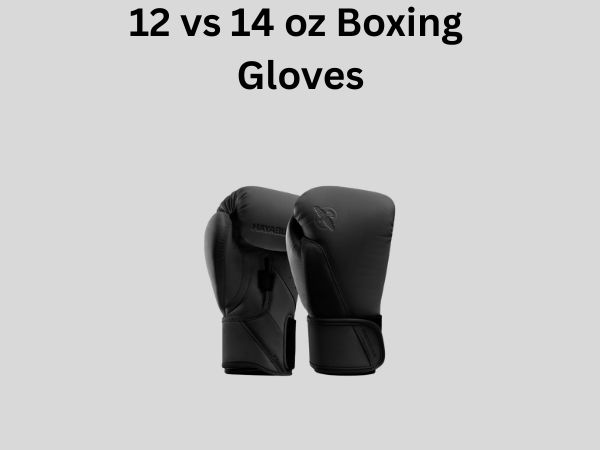
Today, boxing gloves are highly engineered. They come in various weights (ounces) depending on the boxing level and purpose. Amateur boxing often uses lighter gloves. Professional boxing typically uses heavier gloves for more padding. Regulatory bodies set strict standards for glove construction. This ensures they provide adequate protection (USA Boxing).
Weight and Padding Standards
The weight of the glove, measured in ounces, is directly related to the amount of padding. Heavier gloves mean more padding. This is why a 16-ounce sparring glove feels very different from a 10-ounce professional fight glove. The weight is a critical safety feature.
| Feature | Boxing Gloves | Bare Knuckle |
|---|---|---|
| Hand Protection | High (padding absorbs impact) | Very Low (direct bone-on-bone contact) |
| Opponent Protection | Moderate (reduces direct trauma) | Low (higher risk of cuts/severe damage) |
| Injury Risk (Fighter) | Lower (less fractures, sprains) | Higher (fractures, cuts, dislocations) |
| Injury Risk (Opponent) | Lower (less severe cuts) | Higher (more severe cuts, abrasions) |
| Impact Distribution | Good (spreads force) | Poor (concentrated force) |
Thinking about these differences, it’s clear why the boxing world adopted gloves. Your hands are your tools in boxing. Keeping them healthy is the priority. So, when you’re training or competing, choosing the right gloves makes all the difference.
A Quick Checklist for Safer Training
Here are some quick tips to keep in mind:
- Always use properly fitted boxing gloves for sparring.
- Ensure your gloves have adequate padding.
- Check your hand wraps for proper support.
- Listen to your body; don’t push through hand pain.
- Consult with a coach or medical professional if you have concerns.
Conclusion
We’ve seen how boxing gloves are a game-changer for hand and opponent safety. Your hands are your greatest asset in boxing, and gloves are designed to protect them. They distribute impact, reducing the risk of fractures and sprains that bare-knuckle fighting often brings. By choosing to train and compete with proper padding, you’re making a smart choice for your long-term health. Prioritize your hands; learn to wrap them correctly and always use the right gloves for the job. This commitment to safety will help you stay in the ring and perform your best for years to come.
Frequently Asked Questions
Does bare knuckle boxing cause more injuries than padded gloves?
Yes, research and found that bare-knuckle fighting leads to a significantly higher risk of hand injuries. Without padding, direct impact can easily cause fractures, cuts, and dislocations. Boxing gloves help absorb and distribute this force, greatly reducing the likelihood of such damage.
Can boxing gloves protect my opponent from serious harm?
Boxing gloves offer moderate protection for your opponent. While they don’t eliminate the risk of injury, the padding softens blows and reduces the force concentrated on a single point. This makes cuts and severe tissue damage less likely compared to striking with bare knuckles.
What kind of hand injuries are common in bare knuckle fighting?
Common injuries in bare-knuckle fighting include “boxer’s fractures” (fractures of the metacarpal bones), wrist sprains and fractures, and soft tissue damage like cuts and abrasions. These can be debilitating and require significant recovery time.
How does the padding in boxing gloves work?
The padding in boxing gloves, typically made of foam or felt, compresses upon impact. This compression absorbs a significant portion of the shock. The force of the punch is then spread out over a larger surface area of the glove, rather than concentrating on your knuckles.
Are there different types of boxing gloves for different training needs?
Absolutely. Boxing gloves come in various weights (ounces), with heavier gloves offering more padding. For sparring, heavier gloves are generally recommended for increased protection. Lighter gloves are often used for bag work or professional fights, depending on regulations and the specific training goal.