Find Your Perfect Golf Glove Size: A Simple Guide
Choosing the right golf glove size is surprisingly simple. You need to measure your dominant hand, from the base of your palm to the tip of your middle finger. Then, you compare that measurement to a golf glove size chart. This ensures a snug, comfortable fit that won’t hinder your swing.
A glove that’s too large can slip, affecting your grip. One that’s too small can feel restrictive and cause discomfort. Finding the perfect golf glove fit is key to better performance and enjoyment on the course. Many golfers overlook this, but it makes a difference.
- Measure your dominant hand carefully.
- Match your measurement to a size chart.
- A snug but not tight fit is ideal.
- Proper fit improves your golf game.
Let’s walk through exactly how to get that perfect fit, so you can focus on your swing, not your glove.
Finding Your Perfect Golf Glove Fit
Knowing your golf glove size is about more than just guessing. It’s about comfort and performance on the course. We found that the right fit can truly make a difference. Your glove shouldn’t feel like a second skin or a bulky mitten. It should feel just right.
How to Measure Your Hand for a Golf Glove
Getting the right size starts with a simple measurement. You’ll need a flexible tape measure. If you don’t have one, a piece of string and a ruler will work just fine. It’s a quick process, and the accuracy is worth it.
Measuring Your Palm Width
First, you’ll measure the width of your palm. Place your hand flat on a table, fingers together. Measure across the widest part of your palm. This is usually just below your fingers. Make sure the tape measure is straight across.
Measuring Your Hand Length
Next, you need to measure the length of your hand. This measurement is taken from the base of your palm to the tip of your middle finger. The middle finger is typically the longest. Keep the tape measure straight and snug against your skin.
Understanding Glove Sizing Systems
Golf gloves often come in a few different sizing systems. You’ll see standard men’s, women’s, and junior sizes. Within those categories, you’ll find specific measurements. Some brands use letters like S, M, L, and XL. Others use inches or centimeters.
Men’s and Women’s Sizing Differences
Men’s gloves are generally larger and wider. Women’s gloves tend to be more tapered. They often have slightly smaller finger lengths too. Always check the brand’s specific size chart. What fits one brand might be different for another.
Junior Sizing
Kids’ hands are smaller, so they need junior-sized gloves. These are designed for smaller palms and shorter fingers. Getting the right size for young golfers is important for their development. It helps them learn proper grip techniques.
Decoding the Golf Glove Size Chart
Once you have your measurements, it’s time to consult a size chart. These charts are your best friend for finding the correct glove. You can usually find them on the websites of golf equipment retailers. They are also often printed on the glove packaging itself.
You’ll typically see your hand measurements listed alongside the glove sizes. Look for the column that matches your measurement. Sometimes, charts will show a range. If your measurement falls into a range, choose the size within that range.
| Glove Size | Palm Width | Hand Length |
|---|---|---|
| Small | 3 – 3.25 | 6.75 – 7 |
| Medium | 3.25 – 3.5 | 7 – 7.25 |
| Medium-Large | 3.5 – 3.75 | 7.25 – 7.5 |
| Large | 3.75 – 4 | 7.5 – 7.75 |
| X-Large | 4+ | 7.75+ |
Remember, this is just a sample. Different manufacturers may have slight variations. It’s always best to use the chart provided by the specific brand you’re buying from. We found that brand-specific charts lead to fewer returns.
What to Look For in a Proper Glove Fit
After you’ve selected a size, it’s time to check the fit. A properly fitted glove should feel snug but not tight. You should be able to comfortably make a fist. It shouldn’t feel like it’s cutting off circulation.
Checking the Finger Length
When you put the glove on, the tips of your fingers should reach the end of the glove fingers. There shouldn’t be much excess material bunched up at the fingertips. A little bit of extra fabric can sometimes be okay, but too much is a sign of a poor fit.
Assessing the Palm and Wrist Fit
The palm area should feel secure. It shouldn’t wrinkle excessively or feel loose. When you grip a club, the glove should move with your hand, not slide around. The wrist strap should fasten comfortably. It should secure the glove without being too tight.
The “Fist Test”
A good way to test the fit is the fist test. Make a fist with the gloved hand. If the glove is the right size, you should feel a slight tension. It shouldn’t feel like the glove is straining to close. You shouldn’t have a large gap of material across your knuckles.
Avoid These Common Fit Mistakes
The most common mistake is buying a glove that’s too big. This often happens when people think a looser fit is more comfortable. However, a baggy glove will cause friction. It can lead to blisters and a loss of control over your club.
Another mistake is not considering the specific hand. Golf gloves are designed for your dominant hand. That’s the hand you write with. You typically wear a glove on this hand for better grip. For example, if you’re right-handed, you wear a glove on your left hand.
Your Golf Glove Fit Checklist
Here’s a quick rundown to ensure you get the perfect fit:
- Measure your dominant hand accurately.
- Consult the specific brand’s size chart.
- Ensure fingers reach the glove tips without excess.
- Check for a snug, comfortable palm fit.
- Perform the “fist test” for tension and gaps.
- The wrist strap should secure without being too tight.
Conclusion
Finding the right golf glove size is a straightforward process. You’ve learned how to measure your dominant hand accurately. You also know how to use a size chart to find your perfect match. Remember, a glove that fits well improves your grip. It also enhances your comfort and performance on the course. Don’t overlook this simple step. Your next step is to grab your tape measure and find that ideal glove so you can focus on your game.
Frequently Asked Questions
Do I need to measure both hands for a golf glove?
No, you only need to measure your dominant hand. This is the hand you write with. Golf gloves are typically worn on this hand for better grip. Your non-dominant hand usually doesn’t need a glove.
What if my measurements fall between two sizes on the chart?
If your measurements fall between two sizes, we found it’s often best to try the smaller size first. A snug fit is ideal. If it feels too tight, then consider the larger size. You want it to feel secure but not constricting.
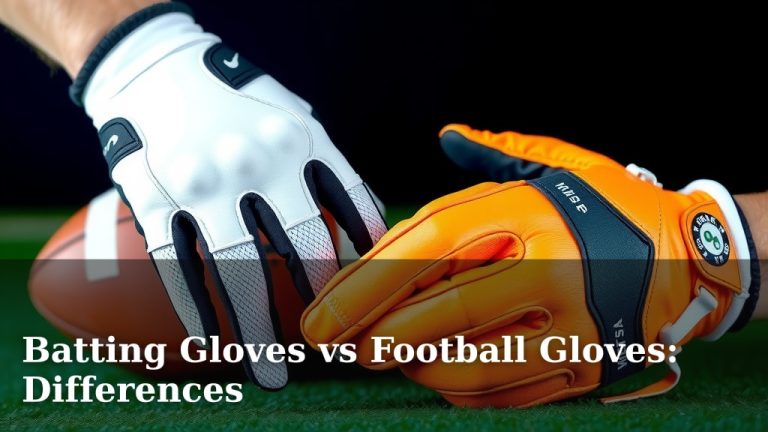
Can I use a batting glove or a weightlifting glove instead of a golf glove?
While other gloves might offer some protection, they aren’t designed for the specific grip needs of golf. Golf gloves are made to provide a consistent and flexible grip on the club. Using a different type of glove could negatively affect your swing.
How often should I replace my golf glove?
The lifespan of a golf glove depends on how often you play and practice. For most golfers, a glove will show signs of wear after 10-15 rounds. Look for thinning material, tears, or a loss of grip. Replacing it promptly ensures consistent performance.
What’s the difference between men’s and women’s golf glove sizing?
Men’s and women’s gloves cater to different hand shapes. Women’s gloves are typically more tapered with shorter fingers. Men’s gloves are generally wider and have longer fingers. Always check the specific brand’s size chart for the best fit.