Find Your Perfect Nitrile Glove Size: A Quick Guide
Finding the right size nitrile gloves is pretty simple once you know what to look for! You’ll want to measure your dominant hand’s length and width to ensure a snug, comfortable fit. This keeps you protected without feeling bulky or restricting movement. Remember, a glove that’s too loose won’t protect you well. A glove that’s too tight can tear easily.
Getting your glove size right makes a big difference in your work. Whether you’re handling food, cleaning, or doing medical tasks, the correct size ensures maximum dexterity and protection. It’s not just about comfort; it’s about performance and safety. Many people overlook this step, leading to frustration later on.
- Measure your dominant hand’s length and width.
- Match your measurements to a glove sizing chart.
- Consider the type of task for the best fit.
- Try a few sizes if you’re unsure.
Let’s walk through exactly how to measure your hand and find that perfect glove size.
Figuring Out Your Perfect Nitrile Glove Size
Choosing the right nitrile glove size is simpler than you might think. It boils down to a quick measurement of your hand. Getting this right means your gloves will fit like a second skin. This protection is comfortable and allows you to work freely. We’ll guide you through measuring and finding charts to match.
Why Glove Size Matters for Protection and Comfort
You might wonder if glove size really makes that much of a difference. It absolutely does! A glove that is too big can slip around. This leaves your hand exposed to whatever you’re working with. It also makes fine motor tasks difficult. On the other hand, a glove that’s too small is a recipe for disaster. It can tear easily, breaking your protective barrier. It can also be incredibly uncomfortable, leading to hand fatigue.
Research shows that proper personal protective equipment (PPE) fit is key to its effectiveness. This applies directly to gloves. When gloves fit correctly, they enhance your natural hand movements. This is important for tasks requiring precision, like medical procedures or detailed craftwork.
The Simple Steps to Measuring Your Hand
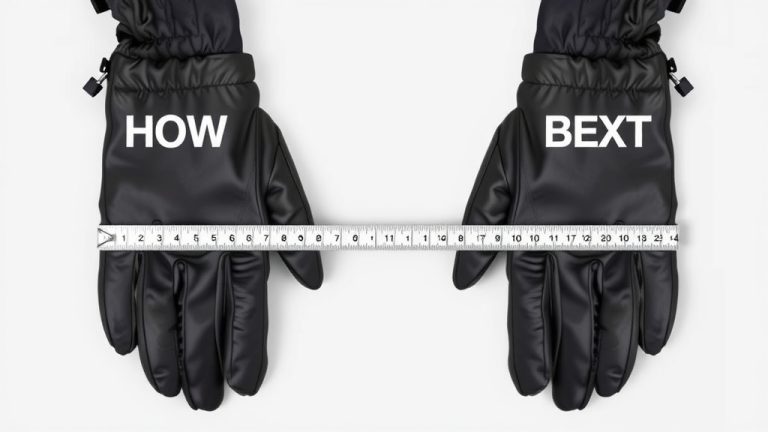
Let’s get down to the actual measuring. You’ll only need a few simple tools you likely have at home. Grab a flexible measuring tape, like one used for sewing. If you don’t have that, a piece of string and a ruler will work just fine. Remember to measure your dominant hand. This is usually the hand you write with.
Measuring Your Hand Width
First, find the widest part of your palm. This is typically just below your fingers, across your knuckles. Don’t include your thumb in this measurement. Lay your hand flat on a piece of paper. Use your string or tape to go around the widest part of your palm. Mark where the string meets. Then, lay the string flat against your ruler to get the measurement in inches or centimeters. If you’re using a flexible tape measure, simply wrap it around the widest part of your palm. Make sure it’s snug but not tight.
Measuring Your Hand Length
Next, you’ll measure your hand length. Start at the tip of your middle finger. Extend the measuring tape or string straight down to the crease where your hand meets your wrist. Again, lay the string flat against a ruler to get your measurement. Keep your hand relaxed and flat, not flexed.
Understanding Glove Sizing Charts
Once you have your measurements, it’s time to consult a sizing chart. Most nitrile glove manufacturers provide these. You’ll usually find them on the product packaging or their website. Look for a chart that converts your hand width and length into a glove size, often labeled S, M, L, XL, or specific numbers.
How to Read a Glove Sizing Chart
Typically, these charts will have columns for hand width and sometimes hand length. You’ll find corresponding glove sizes next to these measurements. Some charts might focus primarily on hand width, as it’s often the most critical dimension for glove fit. Always check the specific chart for the brand you are considering, as sizes can vary slightly.
For example, a chart might say that a palm width of 3.5 inches translates to a Large glove. If your hand length is also listed, try to find a size that accommodates both measurements well. Some charts use a simple measurement range, while others use a more direct conversion.
Example Sizing Chart (General Guide)
| Glove Size | Palm Width (inches) | Palm Width (cm) |
|---|---|---|
| Small (S) | 3.0 – 3.25 | 7.6 – 8.3 |
| Medium (M) | 3.25 – 3.5 | 8.3 – 8.9 |
| Large (L) | 3.5 – 3.75 | 8.9 – 9.5 |
| Extra Large (XL) | 3.75 – 4.0 | 9.5 – 10.2 |
Please note: This is a general guide. Always refer to the specific brand’s sizing chart.
Considering the Task: What Are You Doing?
The type of task you’ll be performing can also influence your ideal glove fit. For delicate tasks that require a lot of dexterity, you might prefer a more snug-fitting glove. This feels more like a second skin, allowing for precise movements. Think about medical professionals or artists using fine tools. They need gloves that don’t get in the way.
On the other hand, for general cleaning or handling rougher materials, a slightly looser fit might be acceptable and even preferred for comfort during extended wear. However, even for general use, you still want a glove that isn’t baggy. A glove that is too loose can still snag or compromise protection. Many experts recommend a fit that offers a balance between snugness and comfort for most applications (CDC).
What If You’re Between Sizes?
It’s quite common to fall between two sizes on a chart. What should you do then? Generally, it’s better to size down if you’re between sizes. A glove that is slightly tighter will offer better protection and dexterity. It will be less likely to slip or tear. However, if you’re only slightly between sizes and prioritize maximum comfort for long periods, you might consider sizing up. Test both if possible to see which feels best for your specific needs.
We found that for tasks requiring a very firm grip or intricate work, leaning towards the snugger fit (the smaller of the two sizes) often yields better results. It minimizes the amount of excess material that could get in the way. But if your hands swell during the day or you need to wear another glove underneath, sizing up might be necessary.
Trying Before You Buy (If Possible)
The best way to know for sure is to try on a few different sizes. If you’re buying in a physical store, take advantage of this. Even if you’re ordering online, consider ordering a sample pack if available, or perhaps one box of two different sizes if you’re unsure. What feels comfortable and secure for one person might feel slightly different for another. Your hand shape is unique!
When trying them on, put the glove on both hands. Wiggle your fingers. Make a fist. Can you move your fingers freely? Is there any pinching or excessive pressure? Can you feel the material straining anywhere? These are all good indicators of fit. A correctly sized glove should feel secure but not restrictive.
Quick Checklist for Finding Your Glove Size
- Measure your dominant hand’s palm width.
- Measure your dominant hand’s length from middle finger to wrist crease.
- Find a sizing chart for the brand you prefer.
- Match your measurements to the chart’s recommendations.
- Consider the type of work you do.
- If between sizes, try both or lean towards a snugger fit.
Conclusion
You’ve learned that finding your perfect nitrile glove size is straightforward! It all comes down to simple hand measurements and consulting a brand’s sizing chart. Remember to measure your dominant hand’s width and length for the most accurate results. Don’t forget to consider the specific tasks you’ll be doing, as this can influence the ideal fit for dexterity and comfort. If you’re between sizes, leaning towards a snugger fit often provides better protection. Now that you have this knowledge, you’re ready to confidently choose gloves that fit just right!
Frequently Asked Questions
How do I measure my hand if I don’t have a flexible tape measure?
No problem! You can use a piece of string or a strip of paper. Lay your hand flat and use the string or paper to measure the widest part of your palm and from your middle finger to your wrist crease. Then, lay the string or paper flat against a regular ruler to get your measurement in inches or centimeters.
Can I use my non-dominant hand for measuring?
It’s best to measure your dominant hand, which is usually the one you write with. Glove manufacturers create sizing charts based on typical measurements of the dominant hand. Using your non-dominant hand might lead to an inaccurate fit.
Are nitrile glove sizes the same across all brands?
Not always. While there are general sizing standards, each brand can have slight variations in their measurements. It’s always recommended to check the specific sizing chart provided by the manufacturer of the gloves you intend to purchase.
What if my hand width and length suggest different sizes?
This can happen. Generally, you’ll want to prioritize the size that best fits your palm width, as this is often the most critical dimension for a secure fit. If you’re close to a size boundary, consider how snug you prefer your gloves for your specific tasks.
How tight should nitrile gloves feel?
Nitrile gloves should feel snug and secure, like a second skin, without being uncomfortably tight. You should be able to move your fingers freely and make a fist without feeling pinching or excessive pressure. There shouldn’t be any significant bunching of material at your fingertips or palm.