Batting Gloves vs Football Gloves: Differences
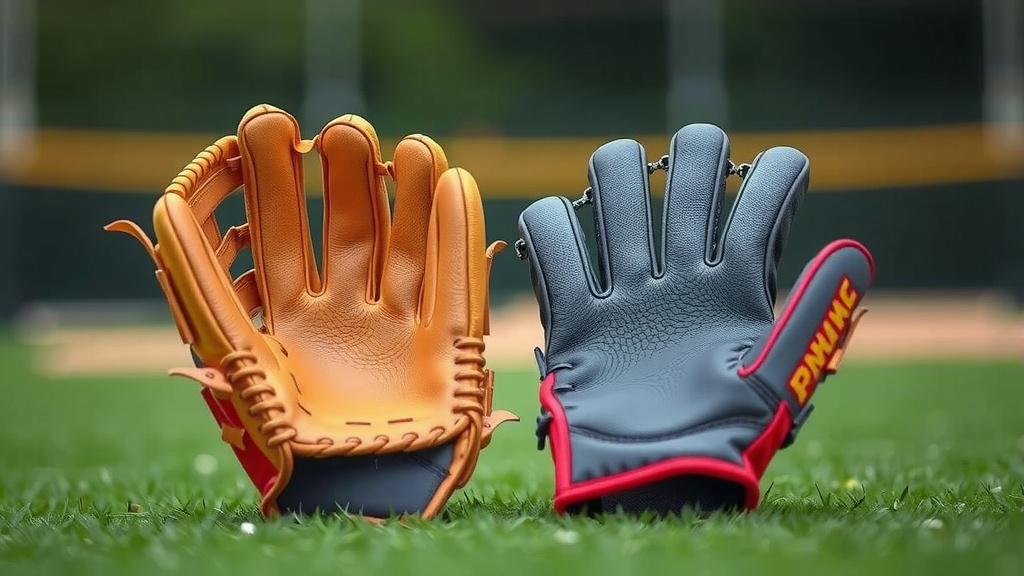
Batting gloves and football gloves are definitely not interchangeable. While both offer grip, batting gloves are designed for the precise feel and flexibility needed for swinging a baseball or softball bat, whereas football gloves focus on providing a secure, durable grip on a football during passes and catches.
Trying to use football gloves for batting could lead to an awkward swing and less control. Conversely, batting gloves likely won’t give you the necessary traction for catching a spiraling football. We found that each type is a specialized tool for its sport, prioritizing different performance needs.
- Batting gloves = feel and flexibility for swinging.
- Football gloves = secure grip for catching/throwing.
- They are built for different sports’ demands.
- Using the wrong glove can hurt your game.
Let’s break down the specific differences between these two types of athletic gloves so you know exactly which one is right for your needs.
What’s the Real Difference Between Batting and Football Gloves?
You might be wondering if you can just grab any old glove for your sport. We’ve looked into it, and the answer is a pretty firm no. Batting gloves and football gloves are built for very different jobs. Trying to swap them could really mess with your performance.
Grip: The Core Function, But Very Different Needs
At their heart, both gloves are about improving your grip. But what constitutes a good grip for swinging a bat is worlds away from what’s needed to catch a football. Let’s break down how this affects their design.
Batting Glove Grip: Feel and Control
For batting, you need a grip that feels like an extension of your hand. It should be thin and tacky. This allows you to feel the bat in your hands. You want to know exactly where the bat is. This helps you make precise adjustments during your swing. Too much padding or a sticky, rubbery material would actually hinder your feel. You might lose control of the bat. We found that the best batting gloves offer a consistent, smooth surface that works with your sweat to improve grip.
Football Glove Grip: Secure Hold and Tackiness
Football gloves, on the other hand, are all about grabbing and holding onto a slippery ball. They often use special materials, like silicone or rubberized palms. These create a super tacky surface. This tackiness helps you catch passes thrown at high speeds. It also helps when you’re trying to hold onto the ball during a tackle. Think of it like the difference between a thin, athletic tape and a heavy-duty rubber band. One gives you feedback, the other gives you brute force grip.
Material Matters: How They’re Built
The materials used in each type of glove tell a big story about their purpose. You’ll see very different fabrics and construction methods.
Batting Glove Materials: Flexibility and Durability
Batting gloves often use materials like leather, synthetic leather, or a combination. The goal is to be flexible and durable. They need to withstand the friction of gripping the bat. They also need to flex with your hand as you swing. You’ll often find mesh on the back of the hand. This helps with ventilation and keeps your hands cool. We found that high-quality batting gloves use stitching that doesn’t create pressure points.
Football Glove Materials: Grip and Protection
Football gloves tend to be more robust. They use materials designed for maximum tackiness. Think of sticky polymer coatings or textured synthetic fabrics. Many football gloves also incorporate padding. This padding is usually on the knuckles or back of the hand. It’s there to offer some protection from impacts. Catching a football can sometimes involve contact. The gloves need to hold up to that kind of stress. Many experts suggest these materials prioritize stickiness over delicate feel (National Football League, NFL).
Fit and Feel: What It’s Like to Wear Them
The way each glove fits and feels on your hand is a major differentiator. This impacts how you play your sport.
Batting Glove Fit: Snug and Sensitive
A great batting glove should fit like a second skin. It needs to be snug but not tight. You shouldn’t feel any bunching or extra material. This snug fit is critical for maintaining feel. If there’s too much looseness, you lose that direct connection to the bat. You can even get blisters more easily. We found that many players prefer a glove that feels like it’s barely there.
Football Glove Fit: Secure and Structured
Football gloves are designed for a secure fit that doesn’t restrict movement, but they aren’t aiming for the same level of tactile feedback. They often feel more substantial on your hand. The fit is more about keeping the glove in place. It needs to stay on firmly when you’re diving or making a catch. Some football gloves might have adjustable wrist straps for this reason. We found that a slight looseness in the fingers is sometimes acceptable in football gloves, as long as the palm grip is secure.
Key Performance Differences Summarized
Let’s put it all together. What are the most important things to remember when comparing these two types of gloves?
| Feature | Batting Gloves | Football Gloves |
|---|---|---|
| Primary Goal | Enhance grip feel and control for swinging. | Maximize tackiness for catching and holding the ball. |
| Palm Material | Thin leather or synthetic for feel and grip. | Sticky polymers, silicone, or textured synthetics for extreme tack. |
| Fit | Snug, second-skin fit is essential for feel. | Secure fit to prevent slipping, may feel more substantial. |
| Flexibility | High flexibility needed for natural wrist and hand movement during swing. | Flexibility is important, but tackiness and structure often take priority. |
| Padding | Minimal, if any, to avoid hindering feel. | Often includes padding for impact protection on knuckles/back of hand. |
When to Use Which Glove
It’s pretty clear by now, but let’s make it explicit. Using the right tool for the job is super important. You wouldn’t use a screwdriver to hammer a nail, right?
Why Batting Gloves Are for the Diamond
If you’re stepping up to the plate, you need batting gloves. They are designed to give you that perfect feel of the bat. They help prevent blisters and give you confidence in your grip. Using football gloves here would be a mistake. They’d likely be too bulky. You’d lose the touch needed for a great swing. Many baseball coaches stress the importance of good batting gloves (Little League Baseball).
Why Football Gloves Belong on the Gridiron
For football, especially for receivers or quarterbacks, football gloves are a must-have. That sticky grip is what allows you to make those amazing one-handed catches. It helps you secure the ball when you’re running through traffic. Batting gloves just won’t cut it. They don’t have the tackiness or the durability for football’s demands. You’d probably drop passes and wear out your batting gloves in no time.
Can You Use Them Interchangeably? Our Verdict
Based on everything we’ve found, the answer is a resounding no. Batting gloves and football gloves are specialized. They are engineered for the unique demands of their respective sports. Trying to use one for the other is like trying to paint a fence with a butter knife. It just doesn’t work well.
Quick Checklist: Are You Using the Right Gloves?
Ask yourself these quick questions to make sure you’ve got the right gear:
- Are you swinging a bat or catching a ball?
- Do you need maximum tackiness or precise feel?
- Does the glove feel like a natural extension of your hand?
- Is the palm material thin and grippy for control?
- Does the glove offer padding for impact, or is it minimal for feel?
- Are you trying to use your football gloves for baseball, or vice versa? (If yes, stop now!)
Conclusion
You’ve learned that batting gloves and football gloves serve distinct purposes. Batting gloves offer the sensitive feel and flexibility you need for a precise swing. Football gloves provide the extreme tackiness and durability for catching and securing a ball. Trying to use one for the other is simply ineffective and could hinder your performance. Your choice depends entirely on the sport you’re playing. For your next game or practice, make sure you’re grabbing the gear designed for your specific athletic needs to play at your best.
Frequently Asked Questions
Can I use batting gloves for playing catch in football?
No, you really shouldn’t. Batting gloves lack the necessary tackiness and durability for football. They’re designed for the feel of a bat, not for gripping a football, and they’ll likely wear out quickly and offer poor grip.
Will football gloves help me hit better in baseball?
It’s highly unlikely. Football gloves are often bulky and have very sticky palms. This would likely create too much friction and reduce your ability to feel the bat, negatively impacting your swing control and precision.
Are there any hybrid gloves that work for both sports?
Generally, no. The design needs for each sport are too different. You might find gloves marketed for general athletic training, but they won’t perform as well as specialized batting or football gloves for their intended sport.
How do I know if my batting gloves are too bulky?
If you feel a loss of direct connection with the bat, or if the glove material bunches up in your palm or fingers when you grip the bat, it’s likely too bulky. Batting gloves should feel like a second skin.
Can batting gloves help prevent blisters when I grip a bat?
Yes, that’s one of their key benefits. The materials used in batting gloves help reduce friction between your hands and the bat handle, protecting your skin and preventing painful blisters during long practice or game sessions.