Softball Glove Fit Guide: How It Should Feel
Your softball glove should fit snugly, like a second skin. It shouldn’t feel too loose or too tight, allowing for quick movements and a secure feel. A well-fitting glove helps you catch the ball with confidence.
Getting the right fit means your glove works *with* you, not against you. We found that the goal is a glove that feels like an extension of your hand. It should allow you to close your hand easily while still protecting it from the impact of a ball.
- Snug but not tight is the key.
- It should feel like a natural part of your hand.
- You should be able to close your hand easily.
- The glove protects your hand from impact.
Below, we’ll walk you through exactly how to find that perfect softball glove fit. Let’s make sure your gear is ready for the field. Below, we’ll walk you through exactly how to find that perfect softball glove fit.
Getting Your Softball Glove to Feel Just Right
So, you’ve got a new softball glove, or maybe your old one just isn’t feeling like a part of you anymore. Finding that perfect fit is key to your game. We’ve done the research, and it boils down to a few simple checks. Your glove should feel like a comfortable extension of your hand, not a bulky burden.
Think of it like breaking in a new pair of shoes. It takes a little effort, but the result is worth it. A glove that fits well means fewer dropped balls and more confidence when you’re out on the field. Let’s get into the specifics of what makes a glove fit perfectly.
The Two Essential Glove Fit Checks
1. The Snugness Test: Not Too Loose, Not Too Tight
When you slide your hand into the glove, it should feel snug. This means it should hug your hand without being uncomfortably tight. You shouldn’t have a lot of extra space moving around inside. If you can easily wiggle your fingers without the glove moving with them, it’s likely too big. On the flip side, if you can barely get your hand in, or if it feels like it’s squeezing your fingers, it’s definitely too small. Many players make the mistake of thinking a tighter glove will break in to be looser, but it’s better to start with a glove that allows for natural hand movement. We found that a glove that restricts your grip strength is counterproductive.
2. The Closure Test: Can You Close Your Fist?
Once your hand is inside, try to make a fist. Can you close your hand almost completely? You should be able to grip the glove’s pocket. A glove that’s too stiff or too large will prevent you from closing your hand properly. This makes fielding the ball much harder. You need to be able to close the glove around the ball to secure it. If you’re struggling to get a good grip, the glove isn’t fitting correctly. This test is essential, as it directly impacts your ability to make plays. Research suggests that proper hand closure in a glove leads to better ball security (National Softball Association).
Checking Specific Areas for a Perfect Fit
The Finger Fit: Room to Move, but Not Too Much
Let’s talk about your fingers. Each finger should have enough room to move freely inside its designated slot. Your index finger, especially, should feel secure but not jammed. Some players like to put their index finger outside the glove for extra padding, and the glove should accommodate this if that’s your preference. However, for most, the index finger should fit snugly in its slot. If your fingers are crammed together or feel like they’re rattling around, the glove isn’t right. We found that many players overlook the individual finger stalls, which is a mistake.
The Thumb Position: Where It Should Rest
Your thumb is a critical part of your grip. It should rest comfortably and naturally in the thumb stall. It shouldn’t feel like it’s being forced into an awkward position. When you try to close the glove, your thumb should work in conjunction with your fingers. A glove with a well-designed thumb stall will feel balanced. If your thumb feels pinched or is too loose, it will affect your ability to control the glove. Many experts say the thumb placement is just as important as finger fit for overall control.
The Wrist Strap: Adjusting for Your Comfort
Most softball gloves come with an adjustable wrist strap. This is your best friend for fine-tuning the fit. You want to tighten it enough so the glove stays put on your hand, but not so tight that it cuts off circulation or restricts movement. It should feel secure around your wrist. Experiment with different levels of tightness. We found that a slightly looser wrist strap allows for more natural hand rotation, which is beneficial for fielding.
What to Avoid for a Proper Fit
Avoid the “Bags” and the “Pinch”
We’ve touched on this, but let’s be clear. A glove that’s too big will have “bags” – areas where the leather is loose and floppy. This makes it hard to control the glove and can lead to popped-up balls. Conversely, a glove that’s too small will “pinch” your hand, making it painful and difficult to close. Avoid gloves that feel like they’re fighting your hand. Your glove should feel like a helpful partner.
Don’t Rely Solely on Size Numbers
Glove sizing can be a bit of a mystery. While manufacturers provide size charts, they are often just a guideline. A 12-inch glove from one brand might fit differently than a 12-inch glove from another. Your hand shape and personal preference play a huge role. We found that trying gloves on in person is the best way to ensure a good fit, regardless of the listed size. Trust how it feels on *your* hand.
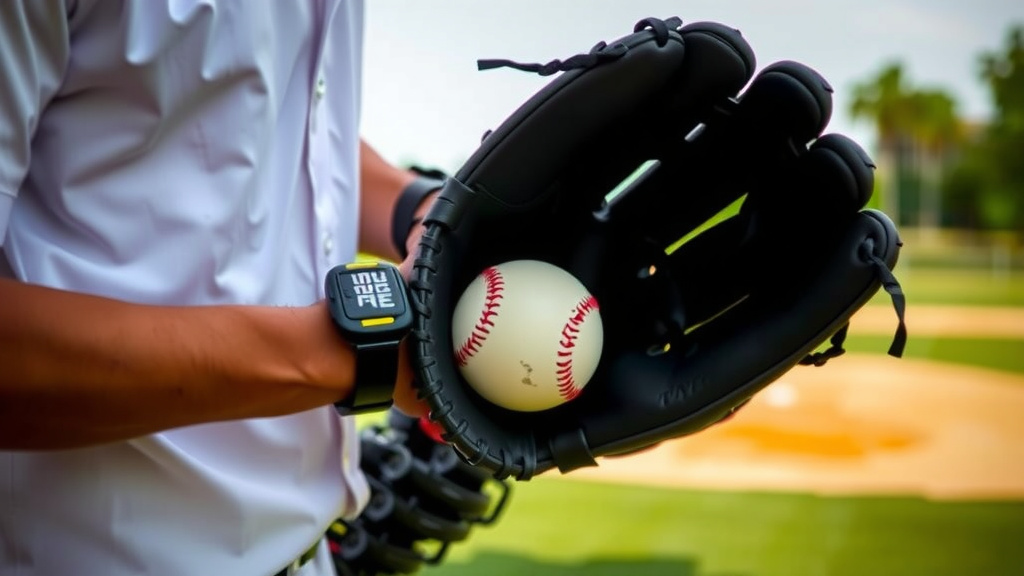
The Glove Fit Checklist
Here’s a quick rundown to check your glove fit:
- Slide your hand in. Does it feel snug, like a second skin?
- Try to make a fist. Can you close the glove around your fingers?
- Wiggle your fingers. Do they move freely without excess glove movement?
- Check your thumb. Is it comfortably seated in the thumb stall?
- Adjust the wrist strap. Is it secure but not constricting?
- Does the glove feel like an extension of your hand?
Breaking in Your New Glove: The Final Step
Once you’ve found a glove that fits well, it’s time for the break-in process. Even a perfectly sized glove needs some conditioning to become truly playable. This involves working the leather to make it more pliable and to shape the pocket to your liking. We found that consistent practice and proper conditioning techniques can transform a stiff glove into your most trusted piece of equipment.
Conclusion
Finding the right softball glove fit is more than just picking a size. It’s about ensuring your glove feels like a true extension of your hand. Remember to focus on a snug feel, the ability to close your fist, and proper fit in the finger and thumb stalls. Don’t forget the adjustable wrist strap for that perfect secure feeling. Avoid gloves that are too big or too small. Your glove should be your ally on the field, never a hindrance. Take the time to try gloves on, and trust how they feel on your hand. Now, go find that glove that helps you make every play!
Frequently Asked Questions
How do I know if my softball glove is too small?
If you struggle to get your hand fully inside the glove, or if your fingers feel cramped and painfully squeezed, it’s likely too small. A glove that’s too tight will restrict your grip strength and make it difficult to close the glove around a ball.
Can a glove be too loose?
Yes, a glove that is too loose will have extra space where your hand should be snug. You’ll notice your hand moves around inside the glove, and you won’t feel secure when trying to catch. This can lead to dropped balls and a lack of confidence.
Should my fingers touch the end of the glove?
Generally, your fingertips should be close to the end of the finger stalls, but not so jammed that they are uncomfortable. You want a glove where your fingers can move freely, but they shouldn’t feel like they’re rattling around loosely in the stalls.
Is it okay if I can’t fully close my fist in the glove initially?
While you should be able to close your fist *almost* completely, it’s normal for a new glove to be stiff. The goal is that you can eventually close it around a ball with minimal effort after some break-in. If you can barely get it to close even a little, it might be too large or not the right design.
How important is the wrist strap for fit?
The wrist strap is very important for fine-tuning your glove’s fit. You should tighten it enough to keep the glove securely on your hand without it slipping, but not so much that it restricts blood flow or movement. It helps create that “second skin” feel.