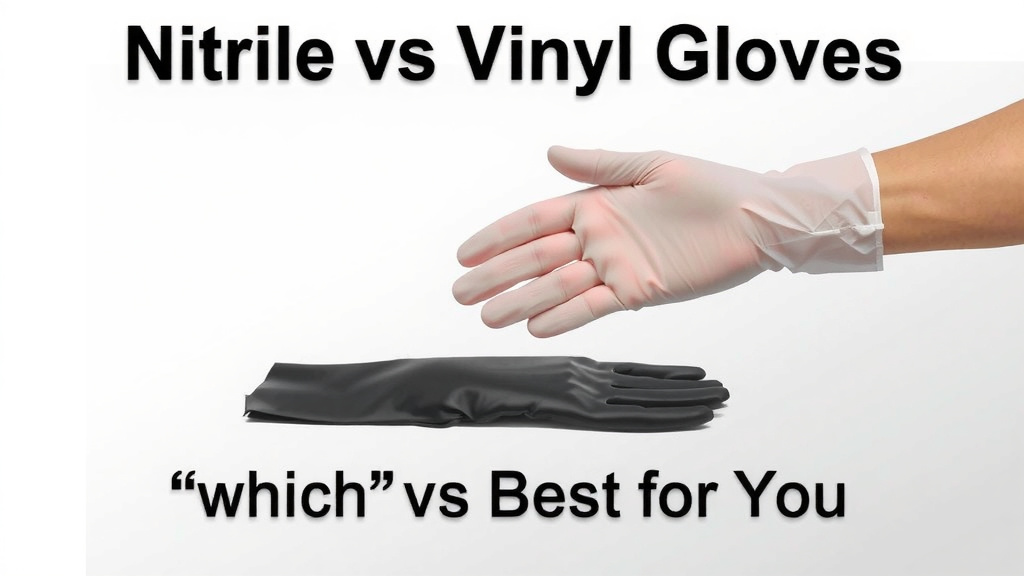
Nitrile vs Vinyl Gloves: Which is Best for You
When choosing between nitrile and vinyl gloves, nitrile is generally the better choice for tasks requiring durability and chemical resistance. Vinyl gloves are a good budget-friendly option for low-risk, short-duration tasks. Nitrile offers superior puncture resistance and a tighter fit than vinyl.
You might be wondering which glove will best protect your hands. We found that while both serve protective purposes, their materials dictate their strengths. Nitrile, made from synthetic rubber, mimics latex but without the allergy concerns. Vinyl, made from PVC, is less flexible and offers less protection against certain substances. Understanding these differences helps you pick the right glove for your needs.
- Nitrile is tougher and more resistant to chemicals.
- Vinyl is cheaper and good for simple tasks.
- Nitrile fits more snugly.
- Vinyl can be a good latex alternative.
Let’s dive into the specifics of nitrile vs. vinyl gloves so you can make the best decision for your situation.
Nitrile vs. Vinyl Gloves: What’s the Difference for Your Protection?
Picking the right disposable gloves can feel like a big decision. You want something that works well for your needs. We’ve looked into the details of nitrile and vinyl gloves. Our research shows they both offer protection. But they do it in different ways. Knowing these differences helps you choose wisely.
Understanding the Materials: What Are They Made Of?
Disposable gloves are typically made from a few key materials. The most common are latex, nitrile, and vinyl. Since latex can cause allergies for some, many people look for alternatives. Nitrile and vinyl are often the go-to options. They offer different benefits depending on what you’re doing.
Nitrile Gloves: The Synthetic Rubber Champion
Nitrile gloves are made from a synthetic rubber called acrylonitrile-butadiene. Think of it as a high-tech material. It’s designed to mimic the feel and flexibility of natural latex. But it comes without the proteins that cause latex allergies. We found that this makes nitrile a popular choice for many industries. It’s a great option if you or someone around you has a latex sensitivity.
Vinyl Gloves: The PVC Option
Vinyl gloves, on the other hand, are made from polyvinyl chloride (PVC). This is a type of plastic. Vinyl is generally less elastic than nitrile. It can sometimes feel a bit stiffer. Many research studies note that vinyl gloves offer a good barrier. They are often a more budget-friendly option. This can be attractive when you need a large quantity.
Performance Comparison: Strength, Durability, and Protection
When it comes down to it, how do these gloves actually perform? We looked at their strength and ability to protect your hands. This is where the differences between nitrile and vinyl become really clear.
Puncture and Tear Resistance
One of the biggest distinctions is how well they resist punctures and tears. Many experts agree that nitrile gloves offer superior puncture resistance compared to vinyl. This means they are less likely to rip if you accidentally snag them on something sharp. For tasks involving rougher materials or potential sharp objects, nitrile is often the preferred choice. We found that this durability is a key factor for many users.
Chemical and Barrier Protection
Both nitrile and vinyl gloves provide a barrier. They help keep your hands safe from contaminants. However, their resistance to different chemicals varies. Nitrile generally offers better protection against a wider range of chemicals. This includes certain oils, solvents, and greases. Many health and safety guidelines recommend nitrile for environments where chemical exposure is a concern. Vinyl offers a decent barrier for general use. But it may not hold up as well against aggressive substances. Always check the glove’s rating if you’re working with specific chemicals.
Fit and Comfort: How They Feel on Your Hands
How a glove feels can greatly impact your work. Nitrile gloves tend to have a snugger, more form-fitting feel. This allows for better dexterity and a more precise touch. It’s like a second skin. Vinyl gloves can sometimes feel looser. They might not offer the same level of tactile sensitivity. For tasks that require fine motor skills, like intricate medical procedures or detailed crafting, the snug fit of nitrile can be a big advantage. We found that comfort is a personal preference, but many appreciate the close fit nitrile provides.
When to Choose Which Glove: Practical Applications
So, when should you reach for nitrile, and when is vinyl the right pick? The best glove depends entirely on the job you need to do.
Ideal Uses for Nitrile Gloves
Nitrile gloves are fantastic for many demanding situations. Think about healthcare settings, laboratories, automotive repair, or food service where there’s a risk of contact with chemicals or punctures. They’re also great for tattoo artists or mechanics who need excellent dexterity and protection. If you’re doing tasks that involve cleaning with strong solutions or handling potentially sharp items, nitrile is likely your best bet. We’ve seen them used successfully in a wide array of high-risk environments.
Ideal Uses for Vinyl Gloves
Vinyl gloves are often chosen for low-risk, short-duration tasks. They are a good choice for simple food handling, light cleaning duties, or salons. If you’re just looking for a basic barrier for everyday tasks and budget is a key consideration, vinyl can be a practical choice. They are also a good option for individuals who are allergic to latex but find nitrile to be too expensive or not readily available. Many find them perfectly suitable for everyday protection.
Cost Considerations: Budget-Friendly vs. Premium Protection
Let’s talk about the wallet. Cost is often a deciding factor for many people. Generally, vinyl gloves tend to be less expensive than nitrile gloves. This makes them attractive when you need to buy in bulk or for tasks where the gloves will be used frequently and discarded quickly. Nitrile gloves, while typically costing more per box, offer enhanced durability and protection. Many experts suggest that for certain tasks, the added cost of nitrile is well worth the peace of mind and reduced risk of glove failure.
Making Your Choice: A Quick Checklist
Still on the fence? Let’s boil it down to a few key points to help you decide:
- Need strong puncture resistance? Choose nitrile.
- Working with harsh chemicals? Nitrile is usually better.
- Looking for the most comfortable, snug fit? Go with nitrile.
- On a tight budget for simple tasks? Vinyl can work.
- Need a latex-free option for light use? Vinyl is a contender.
- Allergic to latex? Both nitrile and vinyl are good alternatives.
We hope this breakdown helps you feel more confident in selecting the right gloves for your needs. Your hands deserve the best protection!
Conclusion
You’ve now seen the main differences between nitrile and vinyl gloves. Nitrile offers superior strength, puncture resistance, and chemical protection, making it ideal for demanding tasks. Vinyl is a more budget-friendly option for lighter duties. We found that your specific needs will guide your best choice. Always consider the level of protection and the type of work you’ll be doing.
Your next step? Think about your most common tasks. Then, select the glove material that best fits those requirements for optimal hand safety.
Frequently Asked Questions
Are nitrile gloves reusable?
No, nitrile gloves are designed for single use only. Reusing them can compromise their protective barrier and hygiene. Always discard them after a single task or once they become contaminated.
Can I wear vinyl gloves for handling raw meat?
Yes, vinyl gloves can be used for general food handling, including raw meat, as they provide a basic barrier. However, if you are handling potentially sharp bones or need extra durability, nitrile gloves would offer better protection against tears and punctures.
How do nitrile and vinyl gloves compare for medical use?
Nitrile gloves are generally preferred in medical settings due to their superior resistance to punctures, tears, and a wider range of chemicals and pathogens. Vinyl gloves are typically used for lower-risk medical procedures or when a latex-free option is needed for short-duration tasks.
Which glove type offers better comfort for long wear?
Nitrile gloves often offer better comfort for extended wear because their snug fit allows for greater dexterity and a “second skin” feel. Vinyl gloves can sometimes feel looser and less tactile, which might be less comfortable during long periods of fine motor work.
Are there any situations where vinyl gloves are actually better than nitrile?
Vinyl gloves can be a better choice when budget is a primary concern for high-volume, low-risk tasks. They are also a good option if you find nitrile too tight or expensive for very simple, short-duration jobs like basic cleaning or serving food where extreme durability isn’t needed.