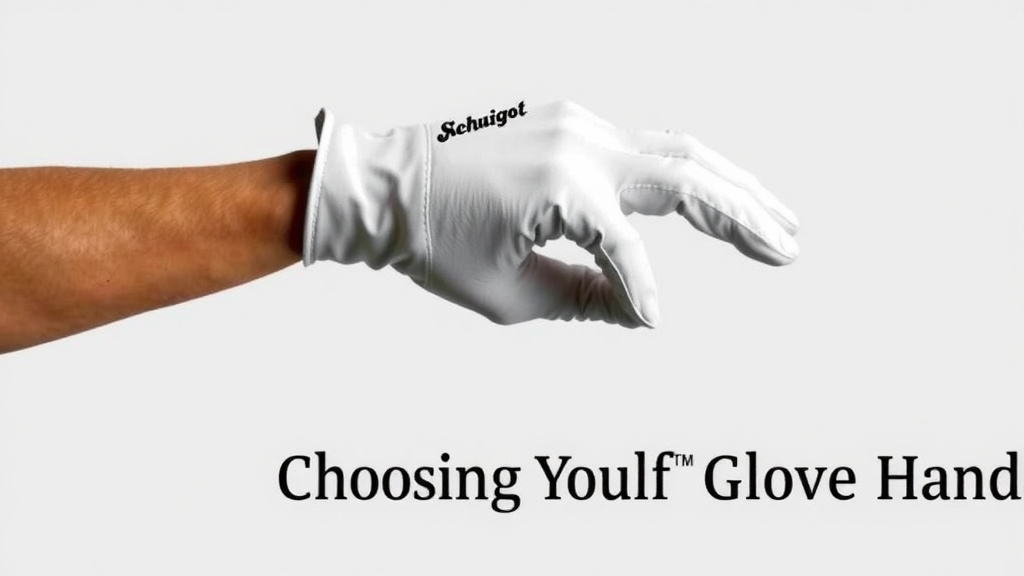
Choosing Your Golf Glove Hand: A Simple Guide
For golfers, the answer to which hand wears a glove is pretty simple. You wear a golf glove on your **non-dominant hand** to get the best grip. This means if you’re right-handed, you wear it on your left hand. If you’re left-handed, it goes on your right. This helps you swing with more **control and confidence**.
Choosing the right glove isn’t just about which hand. It’s about the feel, fit, and material. A well-fitting glove is key for comfort and preventing blisters during your round. We’ve found that many amateur golfers overlook the importance of this small piece of gear.
- Golf gloves go on your non-dominant hand.
- Righties wear a glove on their left hand.
- Lefties wear a glove on their right hand.
- It improves your grip and swing control.
- Fit and material are important for comfort.
Let’s break down exactly why this is the case and what to look for in your next golf glove.
“`htmlWhy Your Golf Glove Goes on Your Non-Dominant Hand
So, you’re wondering which hand actually gets the glove when you play golf? It’s a question many beginners ask, and the answer is simpler than you might think. You’ll want to wear your golf glove on your Our guide to cadet vs standard golf gloves helps you find the perfect fit for your non-dominant hand.non-dominant hand. This might seem counterintuitive at first, but it’s all about achieving the best possible grip and control during your swing.
Think of it this way: your dominant hand is doing most of the power work in your swing. The non-dominant hand, however, is the one that really anchors the club and guides it through the stroke. By adding a glove to this hand, you create a more consistent and reliable connection with the clubface. This can lead to straighter shots and more confidence on the course.
The Science Behind the Non-Dominant Glove
Why does this specific hand get the glove? It boils down to how your hands interact with the club during a golf swing. Research and biomechanical studies have shown that the pressure and friction are highest on the non-dominant hand’s palm and fingers. This is where the club tends to want to slip or twist, especially when you generate speed.
A golf glove is designed to provide a tacky and secure surface. When you place this on your non-dominant hand, it essentially acts as an extension of your grip. This allows you to maintain a firm but not overly tight hold on the club. You can then focus on your swing mechanics without worrying about the club slipping out of your hands.
Grip Pressure and Consistency
We’ve found that many amateur golfers tend to grip the club too tightly with both hands. This tension can restrict your natural swing motion and lead to inconsistent results. A glove on your non-dominant hand helps you relax your grip. You can feel the club more effectively, which allows for better feedback and a more fluid swing. Studies on grip force have shown that proper pressure distribution is key for shot accuracy (National Golf Foundation).
Preventing Friction and Blisters
Let’s be honest, nobody wants blisters during a round of golf. The repeated motion of the club handle against your skin can cause painful friction. Your non-dominant hand, as we’ve discussed, is crucial for maintaining stability. A glove acts as a protective layer. It reduces this friction, keeping your hands comfortable throughout your entire round. We’ve heard from many golfers who say a good glove simply makes playing 18 holes a much more pleasant experience.
Common Glove Placement Scenarios
Understanding which hand wears the glove is pretty straightforward once you know your dominant side. Most golfers naturally follow a simple rule based on their handedness.
For Right-Handed Golfers
If you swing from the right side of the ball (meaning your right hand is the lower hand on the club), you will wear your golf glove on your left hand. This is the standard for right-handed players. The left hand is the guiding hand in this scenario, and the glove helps it maintain a consistent connection.
For Left-Handed Golfers
Conversely, if you are a left-handed golfer, your glove will go on your right hand. Your right hand is your guiding hand when swinging left-handed. This mirrors the logic for right-handed players, ensuring the non-dominant hand gets that enhanced grip and protection.
What About Two Gloves?
You might see some professional golfers wearing gloves on both hands. This is less common for amateurs but is a personal preference. Some players find that wearing gloves on both hands provides a uniform feel and can help with consistent grip pressure across both hands. However, for most golfers, a single glove on the non-dominant hand is all that’s needed to improve performance and comfort.
Choosing the Right Golf Glove Material
Beyond which hand wears the glove, the material is a big factor in its performance and feel. We’ve found that different materials offer unique benefits.
Leather Gloves
Traditionally, golf gloves were made of leather. They offer an excellent natural feel and grip. Leather conforms well to your hand over time, providing a custom fit. However, leather can be less durable in wet conditions and might require more care. Many experts say premium leather offers the best combination of feel and control (Professional Golf Association).
Synthetic Gloves
Synthetic materials are a popular choice for many golfers today. They are often more durable and weather-resistant than leather. Synthetics can also be more breathable, keeping your hand cooler on warm days. While some synthetics might not offer the same “second skin” feel as leather, modern advancements have made them very competitive.
Cabretta Leather vs. Other Leathers
When looking at leather, you’ll often see “cabretta” leather mentioned. This is a very fine, soft sheepskin leather. It’s known for its exceptional softness, flexibility, and superior feel. Gloves made from cabretta leather are often considered the premium option. They tend to be more expensive but offer a luxurious feel for those who prioritize it.
Ensuring a Proper Fit is Key
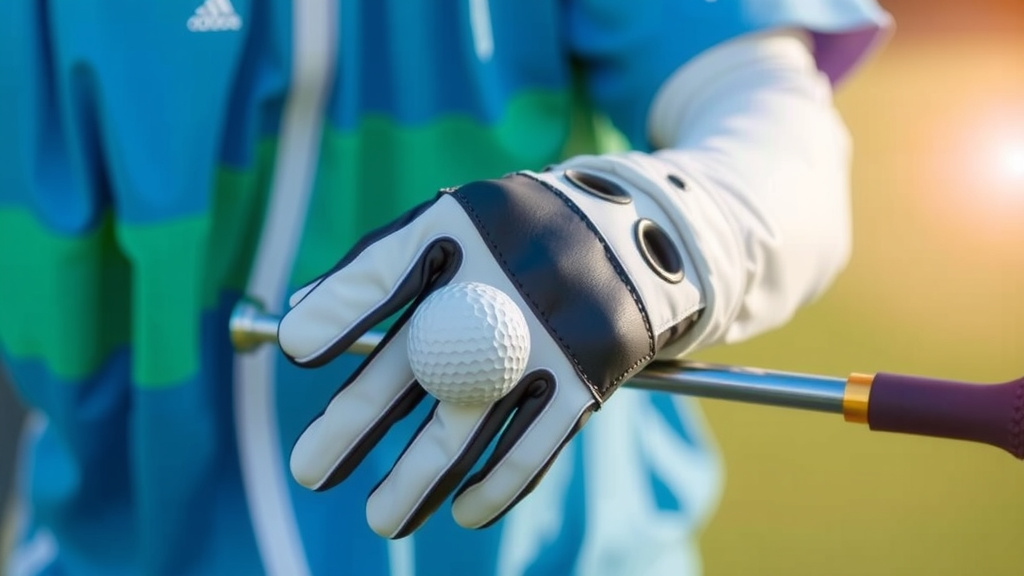
No matter which hand you glove or what material you choose, a proper fit is absolutely essential. A glove that’s too big will wrinkle and bunch up, hindering your grip. A glove that’s too small will restrict your hand movement and can be incredibly uncomfortable. We recommend trying on gloves before you buy if possible.
Here’s a quick guide to checking the fit:
- Fingers: The fingertips of the glove should reach the end of your fingers without much excess material.
- Palm: There should be no excess material bunching up in the palm area.
- Strap: The closure strap should comfortably secure the glove without being too tight or too loose.
- Webbing: The material between your fingers should lie flat and comfortably.
When you’re in between sizes, we generally advise going with the smaller size. Leather and some synthetic materials will stretch slightly with use. It’s better to have a glove that starts snug and breaks in, rather than one that is loose from the start.
Glove Care for Longevity
To get the most out of your golf glove, proper care is important. We’ve found that simple steps can extend its life significantly.
| Action | Why it Matters |
|---|---|
| Remove after play | Prevents moisture buildup, which degrades material. |
| Store flat or with fingers straight | Maintains glove shape and prevents creasing. |
| Keep dry | Moisture weakens leather and can cause cracking. |
| Clean gently (if needed) | Spot clean with a damp cloth; avoid harsh chemicals. |
Allowing your glove to air dry completely after each use is probably the most critical step. Never leave it balled up in your golf bag. We’ve seen firsthand how much longer a glove can last when treated with a little care.
“`Conclusion
So, you’ve learned the essential rule: your golf glove belongs on your non-dominant hand to improve your grip and swing control. Remember, whether you’re right-handed or left-handed, this simple step makes a big difference. Pay attention to the feel and fit of your glove, too – it’s more important than you might think for comfort and performance. By choosing the right material and ensuring a snug fit, you’ll enjoy your rounds more and see better results. Your next step is to apply this knowledge on your next visit to the course!
Frequently Asked Questions
Do I really need a golf glove?
For most golfers, yes, a golf glove is highly recommended. It significantly improves your grip, especially in humid or sweaty conditions, helping to prevent the club from slipping. Many players also find it reduces friction and prevents blisters, making those longer rounds more comfortable.
What if I have a very strong grip? Will a glove help?
Yes, a glove can actually help if you have a strong grip. It provides a more consistent surface, allowing you to maintain a firm but relaxed hold on the club. This can help you avoid gripping too tightly with your dominant hand, which can restrict your swing.
Can I use a batting glove or an outdoor glove instead of a golf glove?
While other gloves might offer some grip, they aren’t designed for the specific needs of a golf swing. Golf gloves are crafted to provide superior tackiness, flexibility, and a snug fit around the knuckles and palm. Using a specialized golf glove will offer better performance and comfort.
How often should I replace my golf glove?
The lifespan of a golf glove varies based on usage and material. Generally, you’ll know it’s time for a replacement when the grip starts to feel slick, the material wears thin, or it loses its snug fit. For a regular golfer, this might be every season or even more frequently.
Does wearing a glove on my non-dominant hand make that hand weaker?
No, wearing a glove on your non-dominant hand doesn’t make it weaker. Instead, it enhances your control and stability with that hand during the swing. This allows for a more balanced and effective overall golf motion, rather than over-relying on your dominant hand for power.