How Hockey Gloves Should Fit for Optimal Performance
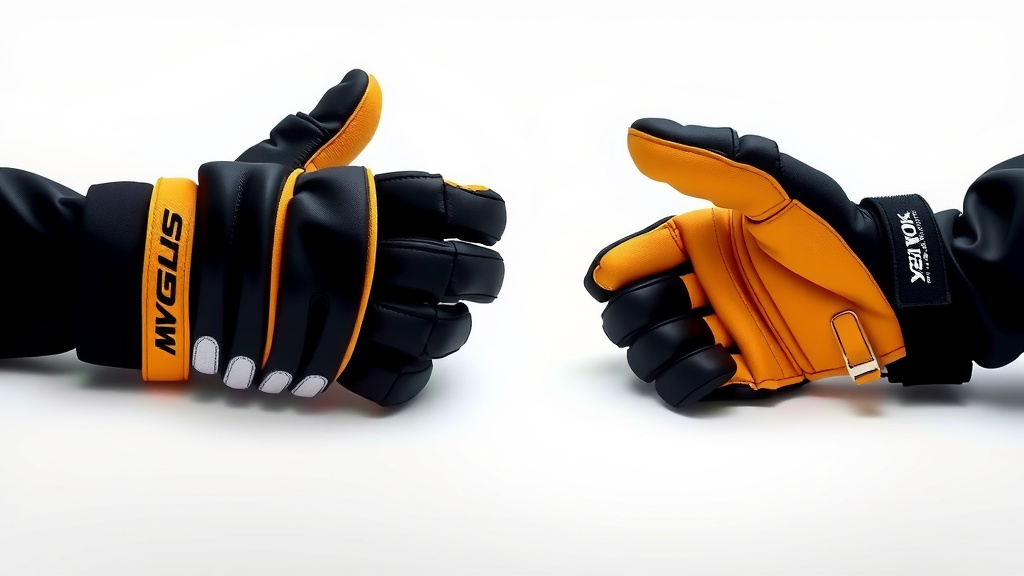
Hockey gloves should fit snugly, but not be too tight. You want them to feel like a second skin, allowing for full hand and finger movement. Your fingers should touch the end of the glove, with no extra space. A good fit prevents the glove from shifting during play, which means better control and protection.
Finding the right glove size is super important for both comfort and safety on the ice. Too loose, and you risk losing grip and control. Too tight, and you’ll deal with discomfort and reduced circulation. We found that a properly fitting glove actually helps improve your game by letting you handle your stick more effectively.
- Snug, but not tight.
- Fingers should reach the end.
- No extra space inside.
- Allows full hand movement.
- Improves grip and control.
Let’s walk through exactly how to make sure your hockey gloves are fitting you perfectly.
Getting the Right Fit for Your Hockey Gloves
Finding gloves that fit just right is more than just comfort. It’s about having full control over your stick and protecting your hands. We’ve found that a glove that feels like a second skin lets you perform at your best. Let’s figure out exactly how your hockey gloves should feel.
Measuring for Hockey Glove Fit
Understanding Glove Sizing
Hockey gloves aren’t sized like your everyday gloves. They’re typically measured in inches. You’ll usually measure the length of your hand from your wrist to the tip of your longest finger. But don’t worry, most brands have handy charts to help you translate that measurement into their sizing system.
We found that most manufacturers agree on this basic measurement. It’s the first step to avoiding gloves that are too big or too small. A proper starting point can save you a lot of hassle later on. You want that measurement to be the key to finding your perfect pair.
The “Second Skin” Feel: What It Means
The goal is a glove that feels natural and unrestrictive. Think about how you move your hands when you’re not wearing gloves. You should be able to make a fist, grip your stick, and flex your fingers without any pinching or tightness. Your fingers should gently touch the end of the glove’s fingers. There shouldn’t be any significant extra space. The goal is a glove that feels natural and unrestrictive, similar to how golf gloves aim for a precise fit.
When you put your hand inside, the glove should feel snug around your palm and wrist. It shouldn’t feel like it’s going to slip off, but it also shouldn’t feel like a vise. Many players describe this as feeling like an extension of their own hand. We’ve seen that this comfort is key for extended play.
How to Test the Fit Before You Buy (or When They Arrive)
The Fist Test
This is a classic for a reason. Make a tight fist inside the glove. Does it feel like your fingers are hitting a wall at the end? That’s a sign they might be too short. Can you still make a full, tight fist without feeling like the material is stretching too thin or your knuckles are being crushed? That’s a good sign.
If you can’t make a solid fist, the glove is likely too small. This will hinder your ability to grip the stick properly. We found that players often underestimate how much they use their fist for stick handling. A glove that restricts this movement is a problem.
The Finger Dexterity Check
Next, try wiggling your fingers individually. Can you move them freely? Do they feel constricted? You want to be able to pick up a puck or make small adjustments to your stick without feeling like your fingers are fighting the glove. There should be no dead space between your fingertips and the glove’s fingertips.
This check is vital for stick control. If your fingers can’t move independently, your grip will suffer. We’ve found that even a little bit of extra space can lead to a less secure hold on your stick. Imagine trying to make a precise pass with numb, clumsy fingers!
The Wrist and Cuff Fit
Pay attention to the cuff of the glove. Does it feel comfortable around your wrist and forearm? It should provide protection without restricting your wrist movement. Some cuffs are more flexible, while others offer more rigid protection. Your preference will play a role here. Ensure it doesn’t dig in or feel too loose.
When you move your wrist up and down, the glove should stay put. It shouldn’t ride up your arm or slide down. A secure cuff is important for keeping debris out and keeping your wrist protected. We found that a cuff that’s too tight can impede circulation, so be mindful of that.
The Thumb and Finger Alignment
Your thumb should be able to move naturally and comfortably within the glove. It shouldn’t feel like it’s being forced into an awkward position. The same goes for your fingers. They should sit naturally in their respective finger stalls. There shouldn’t be any twisting or pressure points.
This alignment is key for a firm, consistent grip on your stick. If your thumb isn’t positioned correctly, you’ll have trouble controlling the stick. We’ve found that many players overlook this, leading to long-term discomfort. It’s a detail that makes a big difference.
Common Fitting Mistakes to Avoid
Gloves That Are Too Big
This is a frequent pitfall, especially for younger players growing fast. Gloves that are too big will shift around. This leads to a loss of control and protection. You might find yourself fumbling with your stick or your fingers getting bruised because the padding isn’t where it needs to be. It’s like trying to drive a car with oversized mittens.
We’ve seen many players try to compensate for large gloves by stuffing extra padding or tape inside. This is generally not recommended. It throws off the glove’s intended protection and can make your hands even less dexterous. It’s always better to get the right size from the start.
Gloves That Are Too Tight
On the flip side, gloves that are too tight can be just as bad, if not worse. They can restrict blood flow, leading to cold hands and numbness. This seriously impacts your feel for the stick. You’ll find yourself unable to make quick adjustments or hold on firmly. Some sources, like sports medicine guidelines, caution that tight gear can even lead to nerve compression.
Beyond discomfort and performance issues, tight gloves can also reduce the effectiveness of the protective padding. The materials might be stretched too thin. We found that players often experience blisters and chafing from gloves that are a struggle to put on and take off. It’s a sure sign they’re too small.
When to Consider New Gloves
Hockey gloves are built tough, but they don’t last forever. If you notice significant wear and tear, like rips in the palm or broken stitching, it’s time for a replacement. Damage can compromise the glove’s ability to protect you. Also, if your gloves are consistently uncomfortable or affecting your game, even after trying to break them in, it’s probably time to look for a new pair.
A Quick Fit Checklist
- Fingers reach the end, no extra space.
- Snug on palm and wrist, no slipping.
- Full range of motion for fingers and thumb.
- Can make a tight fist without pain.
- Cuff stays in place during movement.
- No pinching or pressure points.
Conclusion
Getting your hockey gloves to fit right is more than just about comfort; it’s about control and protection on the ice. Remember that snug-but-not-tight feeling you’re aiming for? It should feel like an extension of your hand, allowing for full movement without any slipping or pinching. We’ve seen how a proper fit translates directly into better stick handling and less risk of injury. Your next step is to take these tips to the store or when your new gloves arrive and perform the fist, finger, and wrist checks yourself. You want to feel confident your gloves are going to perform when you need them most.
Frequently Asked Questions
How do I measure my hand for hockey gloves?
You’ll want to measure from the tip of your longest finger down to the base of your palm where your wrist starts. Most glove manufacturers provide sizing charts that convert this hand measurement into their specific glove sizes. It’s the best way to get a good starting point.
What’s the difference between youth and adult hockey glove sizing?
Youth sizes are generally smaller and may have slightly different padding configurations to accommodate developing hands. Adult sizes increase in length and width. The core principles of fit, however, remain the same across all sizes: snug, protective, and allowing full hand mobility.
Should my fingertips touch the end of the hockey glove?
Yes, your fingertips should gently touch the very end of the glove’s finger stalls. This ensures there’s no excess space, which can lead to a loss of control and feel for your stick. You don’t want them to be painfully jammed, but a slight contact is ideal.
How can I tell if my hockey gloves are too tight?
If you experience numbness, tingling, or cold hands, your gloves are likely too tight. They might also be difficult to put on or take off, and you may feel discomfort or pinching, especially around your knuckles or wrist. This can restrict blood flow and hamper your game.
Can I use my old hockey gloves if they feel a little big?
While it’s tempting to keep using gloves that are slightly too large, we don’t recommend it. Gloves that are too big will shift on your hands, reducing your grip and control on your stick. They also won’t offer optimal protection because the padding won’t be positioned correctly. It’s best to find a pair that fits perfectly.