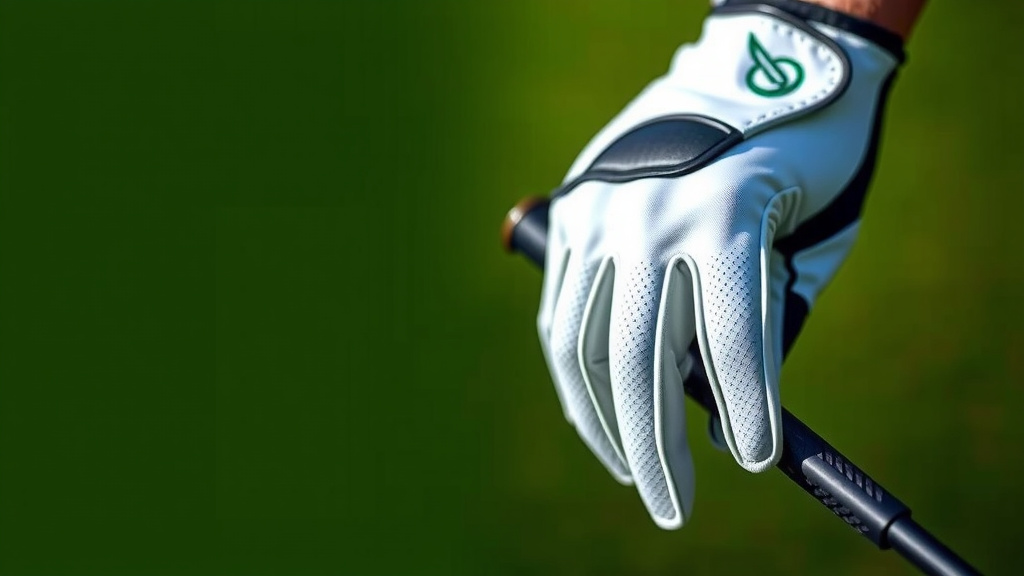
Golf Glove Fit Guide: How to Get the Perfect Feel
Your golf glove should fit like a second skin, snug but not tight. You want a perfectly smooth feel across your palm and fingers, with no bunching or excess material. A glove that fits right improves your grip and control on the club.
Finding the right fit is key for consistent play. Too loose, and it’ll wrinkle and slip. Too tight, and it can restrict movement and feel uncomfortable. We’ve researched how golfers achieve that ideal, secure feel. Getting your glove fit right makes a difference in your swing.
- Snug, not tight fit.
- Smooth feel on palm and fingers.
- No bunching or extra material.
- Improves grip and club control.
Ready to get your glove fitting perfectly? Let’s walk through exactly how to check that ideal fit for your game.
Getting That Perfect Golf Glove Fit
Your golf glove is your primary connection to the club. You want it to feel secure and comfortable. Finding the right fit ensures a consistent swing. It’s like a handshake for your game. Too big or too small, and it just doesn’t feel right.
The Feel of a Well-Fitting Glove
When you slide your hand into the glove, it should feel snug. Think of it like a comfortable hug for your hand. There shouldn’t be any loose material. This is especially true on your palm and fingers. We found that a glove that feels too baggy can actually hurt your grip. It can lead to slipping during your swing.
No Wrinkles, No Bunching
One of the first things to check is for wrinkles. You don’t want extra fabric bunching up. This is common in the palm area or around the knuckles. Bunching means the glove is either too big or the wrong shape for your hand. It can cause discomfort. It can also create pressure points. These can distract you during your swing. We found that a smooth feel is a key indicator of a proper fit.
Finger Length and Fit
The glove should come to the end of your fingers. But it shouldn’t be too long. You want a little bit of extra material at the fingertips. This is often called “take-up.” It should be just a tiny bit. It shouldn’t be so much that you can see or feel it significantly. Many experts suggest a small amount of slack is okay. This helps the glove conform to your grip as you swing.
Checking the Fit on Your Hand
The best way to know if a glove fits is to try it on. Pay attention to how it feels. It’s more than just slipping it on and off. You need to actively check key areas. We’ve found this process takes just a few moments. It can save you a lot of frustration later.
The Palm Test
With the glove on, make a loose fist. Does the material stretch too much across your palm? Does it feel tight and constrict your movement? It shouldn’t. You should be able to form a comfortable fist. There should be no pinching. We found that a glove that restricts your natural hand movement is not a good fit.
The Wrist Strap Check
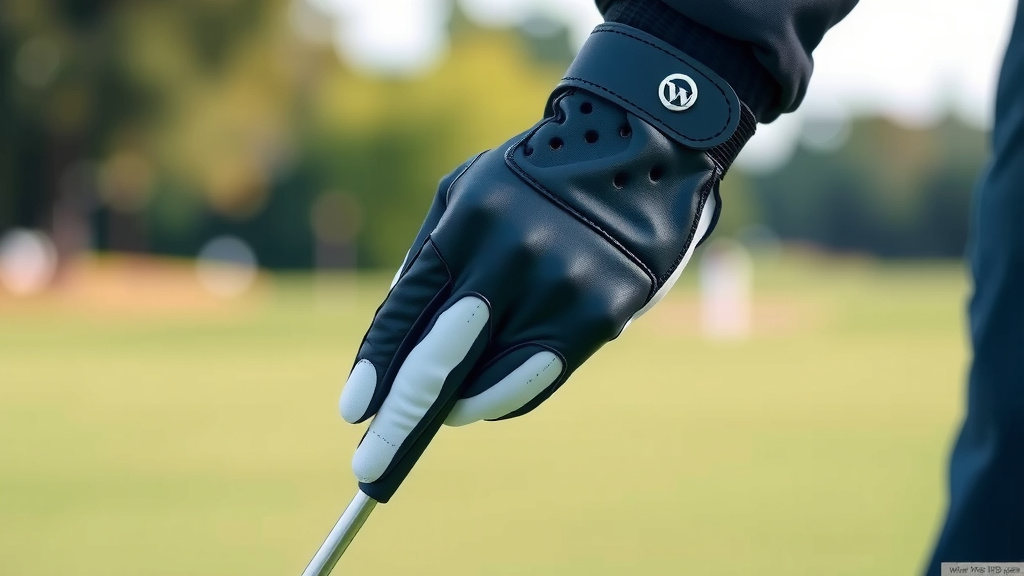
The velcro strap at the wrist is important. It helps secure the glove. When you fasten it, it should feel snug. It should hold the glove in place without cutting off circulation. You should be able to adjust it slightly. Many golfers find a secure wrist closure improves control. It prevents the glove from shifting.
The Feel of the Fingers
Gently bend your fingers. They should feel natural. The glove should move with your fingers. It shouldn’t feel stiff or restrictive. You should have good dexterity. You need to be able to feel the club’s grip. A glove that’s too tight can numb your fingers. This makes it hard to sense the club. Many sources suggest a perfect fit allows full finger movement.
| Area to Check | What to Look For | What to Avoid |
|---|---|---|
| Palm | Smooth, snug feel. | Wrinkles, bunching, tightness. |
| Fingers | End of fingers, slight take-up. | Too long, too short, restrictive feel. |
| Wrist Strap | Secure, adjustable, comfortable. | Too tight, too loose, no hold. |
| Overall Feel | Second skin, comfortable. | Slipping, pinching, numbness. |
Understanding Glove Sizing
Golf glove sizes can vary by brand. It’s helpful to know your general hand measurements. Most brands offer sizing charts. These charts usually relate hand length and width to a glove size. We found that some brands use standard sizes like Cadet or Regular. This can relate to the length of the fingers versus the palm width. Our guide to Cadet Small vs. Small golf gloves clarifies the distinction.
Cadet vs. Regular Sizing
A “Cadet” size often means the fingers are shorter. The palm width is typically the same as a regular size. This is for golfers with hands that are wider relative to their finger length. A “Regular” size usually has longer fingers. This is more common for many golfers. Checking the brand’s specific sizing guide is always best. We found this helps avoid guesswork.
Material Matters Too
Different glove materials fit differently. Leather gloves tend to stretch slightly over time. They often mold to your hand. Synthetic gloves might offer a more consistent fit from the start. They may not stretch as much. Consider the material when you’re trying gloves on. We found that leather can feel a bit tighter initially.
When to Consider a New Glove
Even a perfectly fitting glove wears out. When should you think about replacing it? Look for signs of wear and tear. Thinning material in the palm is a common indicator. If the glove starts to feel loose or slippery, it’s probably time. Holes are an obvious sign, of course. Many golfers replace their gloves every season. This ensures a consistent feel.
Signs It’s Time for a Change
Is the glove feeling stretched out? Does it bunch up more than it used to? Can you no longer get that secure grip? These are all signals. We found that a worn-out glove can negatively affect your game. It might lead to a weaker grip. It could even contribute to blisters.
Here’s a quick checklist to ensure your glove is fitting right:
- Slide your hand in; it should feel snug.
- Check for smooth material across your palm.
- Ensure fingertips reach the end of your fingers.
- Verify no excessive bunching or wrinkles.
- Fasten the wrist strap for a secure feel.
- Can you move your fingers freely and comfortably?
Conclusion
Getting the right golf glove fit is essential for your game. Remember, it should feel like a second skin, snug but never tight. A well-fitting glove means no bunching or wrinkles, especially across your palm and fingers. This smooth feel allows for maximum control and comfort throughout your swing. Don’t underestimate the importance of the wrist strap for a secure connection. You’ve learned what to look for, from finger length to palm feel. Now, when you shop for your next glove, you’ll know exactly how to check for that perfect, confident fit.
Frequently Asked Questions
What if my golf glove feels a little tight at first?
Leather gloves often feel snug when new. They’re designed to stretch slightly and mold to your hand over time. Try making a loose fist and bending your fingers to see if there’s any major restriction. If it feels comfortable enough to play with, give it a few swings to break in.
Can a glove that’s too big actually hurt my grip?
Yes, absolutely. A glove that’s too large will wrinkle and bunch up, especially in the palm. This loose material can slip against the club’s grip, reducing your control and consistency. You might even find yourself squeezing the club harder to compensate, which can lead to fatigue.
How much extra material should I have at the fingertips?
Ideally, there should be just a tiny bit of slack, often called “take-up,” at the fingertips. This small amount allows the glove to conform to your grip without feeling too tight or restrictive. You shouldn’t have so much extra material that you can easily see or feel it significantly when gripping the club.
Why is the wrist strap adjustment so important?
The wrist strap helps secure the glove to your hand, preventing it from shifting during your swing. It should feel snug enough to hold the glove in place without cutting off circulation. Being able to adjust it slightly ensures a consistent and comfortable fit throughout your round.
Should I buy a glove that’s a little loose if I want it to stretch?
It’s generally best to avoid buying a glove that is noticeably loose, even if you expect it to stretch. Gloves, especially leather ones, will conform to your hand over time, but they won’t shrink. A glove that’s too big from the start will likely remain too big, hindering your feel and control.