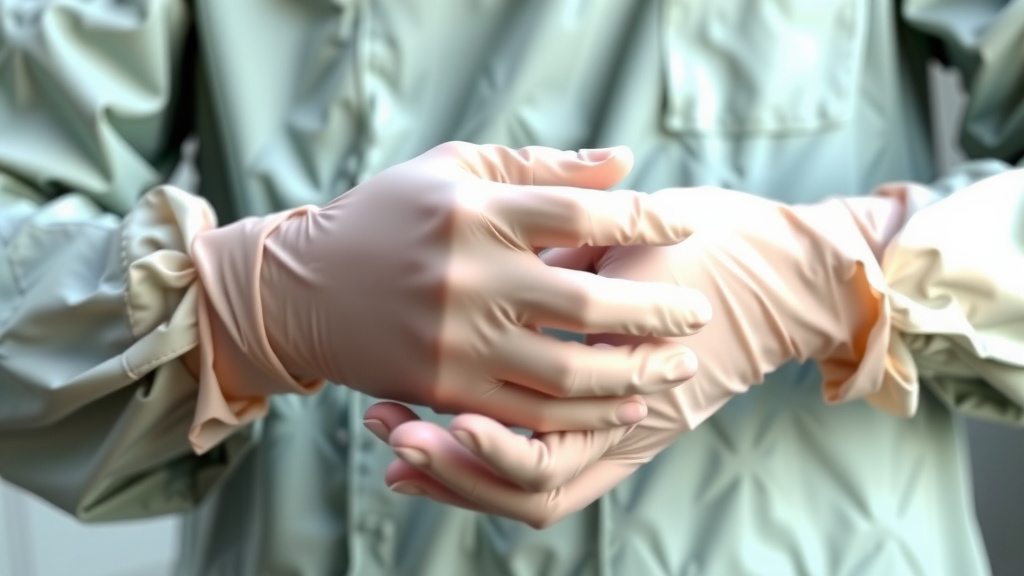
Proper Contaminated Glove Removal Steps
When removing contaminated gloves, the most important step is to avoid touching the outside of the glove with your bare skin. You should peel the glove off from top to bottom, turning it inside out as you go. This helps to contain any potential contaminants. Always wash your hands thoroughly afterward.
Proper glove removal is key to preventing the spread of germs. It’s a simple procedure, but doing it incorrectly can transfer bacteria or viruses to yourself or others. We found that understanding the right technique makes a big difference in maintaining a safe environment.
- Peel gloves off from top to bottom.
- Turn the glove inside out as you remove it.
- Avoid touching the outside of the glove.
- Wash hands immediately after removal.
Let’s walk through exactly how to remove contaminated gloves safely and effectively, step by step.
Removing Contaminated Gloves Safely
Taking off dirty gloves properly is just as important as putting them on correctly. We found that many people rush this step. This can lead to touching the outside of the glove. That outside surface might be covered in germs or other contaminants. The goal is always to prevent these from touching your skin or spreading elsewhere. Experts stress that this simple act is key to your safety and the safety of those around you.
The Step-by-Step Glove Removal Process
Let’s break down the exact motions you should use. Think of it like unwrapping a present, but with a crucial difference: you want to keep the wrapping (the glove) on the inside. We’ve studied the best practices, and they all focus on containment.
Starting the Peel: One Hand at a Time
Begin with one hand. You’ll want to grab the glove near the cuff, which is the top opening. Use your thumb and forefinger of your opposite hand. This is the first point where you’re touching the glove.
Peeling Down and Out
Gently pull the glove downwards. Work your way towards the fingertips. As you pull, the glove should start to turn inside out. Keep pulling until the entire glove is inside out. It should look like a little fabric sock. Many health organizations, like the CDC, point to this inside-out method as the standard.
Containing the Contaminant
The inside-out glove now holds the contaminants on its inner surface. Your bare hand is now safely inside this turned glove. You’ve effectively trapped the germs. This is the core principle of safe glove removal. It stops you from accidentally touching what was on the outside.
Removing the Second Glove
Now, use your bare (but clean, if you just washed them) hand to remove the second glove. Slide your finger underneath the cuff of the first glove. Pull it down over the second glove. This second glove also turns inside out, containing the first removed glove within it. Think of it as nesting the dirty gloves.
Disposing of the Gloves Correctly
Once both gloves are off and turned inside out, they should be discarded immediately. Look for a designated waste bin, preferably one that you don’t have to touch with your hands. If you must use a lid, use your elbow or foot if possible. Research shows that proper disposal stops further contamination of surfaces.
Why This Method Matters So Much
You might wonder why such a specific technique is necessary. It seems like just taking off a glove, right? Well, the “outside” of a used glove is considered contaminated. This means it could have bacteria, viruses, or other harmful substances on it. Touching this surface with your skin is how infections can spread. You might wonder why such a specific technique is necessary; learn the difference between exam gloves vs surgical gloves.
Preventing Cross-Contamination
Cross-contamination is a major concern in many settings, from healthcare to food service. It’s when germs move from one place to another. Improper glove removal is a common pathway for this. For example, if you touch a clean doorknob with a contaminated glove, you’ve just spread germs. The inside-out method minimizes this risk significantly. We found this to be a consistent recommendation across multiple health advisories.
Protecting Yourself and Others
The primary reason for this careful removal is your own protection. You don’t want those germs on your hands. But it’s also about protecting others. If you then touch shared surfaces or touch another person, you could transfer those contaminants. This is especially important if you work with vulnerable populations or prepare food.
What NOT to Do When Removing Gloves
Understanding what to avoid is just as vital as knowing the correct steps. A simple mistake can undo all your good intentions. Many experts warn against certain common errors.
Avoid Touching the Outer Surface
The golden rule is: never let your bare skin touch the outside of the contaminated glove. This includes the fingertips, palms, or even the cuff area. The inside-out peel is designed to prevent this. If you accidentally touch the outside, consider that glove removal compromised.
Don’t Pull Gloves Off from the Fingertips First
Some people tend to grab the glove at the fingertips and pull it straight off. This method often leaves the inside of the glove exposed to your skin for longer. It also makes it harder to turn the glove inside out effectively. Stick to starting at the cuff and peeling downwards.
Be Mindful of Snapping or Tearing
Gloves can sometimes tear as you remove them. If a glove rips and exposes your skin to a contaminant, you’ll need to re-evaluate. You might need to wash your hands immediately, even if you haven’t finished removing all gloves. Research from infection control studies highlights the importance of maintaining glove integrity.
The Essential Final Step: Handwashing
You’ve successfully removed your contaminated gloves. What’s next? Don’t just walk away! The most critical follow-up is thorough handwashing. Many sources, including the World Health Organization (WHO), consider this non-negotiable.
Washing Your Hands Thoroughly
Use soap and warm water. Lather your hands well, scrubbing all surfaces, including between your fingers and under your nails. Many health guidelines suggest washing for at least 20 seconds. This removes any potential contaminants that might have escaped during glove removal. It’s the ultimate safety net.
When to Consider Hand Sanitizer
If soap and water aren’t immediately available, an alcohol-based hand sanitizer with at least 60% alcohol can be used. However, many health experts agree that washing with soap and water is more effective at removing certain types of germs and visible grime. Always aim for soap and water when possible.
Checklist for Safe Glove Removal
Here’s a quick rundown to ensure you’re doing it right:
- Start by grabbing the cuff of one glove.
- Peel the glove downwards, turning it inside out.
- Use the first removed glove to take off the second.
- Dispose of both gloves in a designated bin immediately.
- Wash your hands thoroughly with soap and water afterward.
- If hands are visibly soiled, always use soap and water, not just sanitizer.
Conclusion
You’ve learned the precise way to remove contaminated gloves, a vital skill for safety. Remember, the goal is always to keep contaminants away from your skin. By peeling gloves inside out, you create a barrier that contains potential germs. This method, stressed by health experts, prevents cross-contamination. Always follow up with thorough handwashing. Make this technique a habit in your daily routine. Your next step is to practice this method whenever you wear gloves, ensuring your safety and the safety of those around you.
Frequently Asked Questions
What’s the biggest mistake people make when removing gloves?
The most common error is touching the outside of the contaminated glove with bare skin. This defeats the purpose of wearing gloves in the first place. Experts found that accidental contact can easily transfer germs.
Can I just pull gloves off quickly if I’m in a hurry?
No, rushing glove removal is risky. A hurried approach often leads to improper peeling. This can expose your skin to contaminants. Taking a few extra seconds to peel correctly protects you from exposure.
How do I dispose of used gloves safely?
After turning the gloves inside out, dispose of them immediately in a designated waste bin. If possible, avoid touching the bin lid. Using your elbow or foot is a good way to open it if necessary. This prevents further contamination of surfaces.
Why is turning the glove inside out so important?
Turning the glove inside out traps any contaminants on the inner surface. Your hand then remains protected inside this “bag.” We found this containment method is key to stopping germ spread during removal.
Is hand sanitizer enough after removing contaminated gloves?
While hand sanitizer can help, it’s not always sufficient. Washing your hands with soap and warm water for at least 20 seconds is far more effective. This is especially true if your hands are visibly dirty or if you suspect heavy contamination.