How to Find the Right Baseball Glove: A Complete Guide to Making the Perfect Choice
There’s something almost sacred about selecting your first baseball glove, isn’t there? It’s not just a piece of equipment—it’s an extension of your hand, your connection to the game, and honestly, a pretty significant investment. Whether you’re a parent shopping for your kid’s little league debut or a seasoned player upgrading your gear, finding the right baseball glove can feel overwhelming. I’ve been there, standing in the sporting goods aisle staring at what feels like a million options, wondering what on earth makes one glove better than another.
The truth is, choosing a baseball glove doesn’t have to be complicated. With the right knowledge and a clear understanding of what matters most to you, you can find a glove that feels like it was made specifically for your hand and your playing style. Let me walk you through everything you need to know.
Understanding Your Position: The Foundation of Your Search
Before you even think about trying on gloves, you need to understand where you’ll be playing. Here’s the thing—a shortstop’s glove looks completely different from an outfielder’s, and for good reason. Each position demands different qualities from the equipment.
What Size Glove Does Your Position Require?
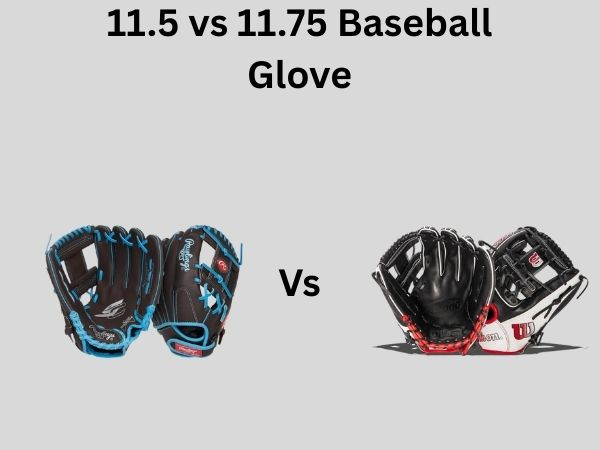
Think of glove sizing like choosing the right tool for a specific job. You wouldn’t use a sledgehammer to drive a nail, just like you wouldn’t use a massive outfielder’s glove as a middle infielder. The general rule of thumb breaks down like this: infielders typically use smaller gloves ranging from 11 to 11.75 inches, outfielders need larger gloves between 12 to 13 inches, and catchers require specialized mitts that are a completely different animal altogether.
But why does size matter so much? A smaller glove gives you quicker ball transfer times and better control when you’re making rapid throws to multiple bases. An outfielder, on the other hand, needs that extra surface area to track down fly balls in the expansive field. It’s about matching the tool to the task.
Infielders: The Speed Players
If you’re playing infield, you’re all about quick transfers and rapid throws. Most shortstops and second basemen prefer gloves in the 11 to 11.5-inch range. Third basemen can go slightly larger, up to 11.75 inches, because they’re a bit further from the bases. The smaller pocket and quicker access to your fingers mean you can get that ball out faster when you need to turn a double play.
Outfielders: The Distance Specialists
Outfield is a different game entirely. You’re tracking balls that can come from anywhere, and you need maximum reach. A 12.5 to 13-inch glove gives you better coverage for those line drives and fly balls. Think of it as casting a wider net—literally.
Measuring Your Hand: Getting the Numbers Right
Here’s where many people make their first mistake: they don’t actually measure their hand properly. You can’t just eyeball this. Proper measurement is crucial because an ill-fitting glove is basically useless, no matter how expensive or fancy it is.
The Hand Measurement Process
Grab a measuring tape and measure from the tip of your middle finger to your wrist crease. This gives you your hand length, which correlates directly to the glove size you should be looking at. As a general guide, if your hand measures less than 6.5 inches, you’re looking at youth sizes. Hands between 6.5 and 7.5 inches fit standard adult gloves, and anything larger might benefit from premium sizing options.
But here’s the thing—this measurement is just your starting point, not your final answer. You still need to try the glove on because hand width, finger length, and palm thickness all play roles in how a glove actually feels on your hand.
Breaking Down Glove Construction: Quality Matters
Not all gloves are created equal, and understanding how they’re made will help you see why some cost significantly more than others. It’s not always about getting fleeced by fancy branding—quality construction genuinely affects performance and durability.
Leather Quality: The Heart of Your Glove
The leather is everything. Think of it as the difference between wearing a polyester suit versus a tailored wool jacket. Full-grain leather, which includes the entire hide surface, is the gold standard. It’s durable, develops character over time, and actually improves with use. Some premium gloves use Japanese Kip leather, which is particularly prized for its suppleness and longevity.
On the flip side, synthetic leather and lower-grade leather alternatives might seem budget-friendly initially, but they don’t age well. They can become stiff, cracked, and unreliable over a season or two. If you’re serious about baseball, investing in genuine leather is investing in longevity.
Web Style: Choosing Your Pocket Design
The web—that part between your thumb and index finger—isn’t just decorative. Different web styles affect how you see the ball and how the glove feels during play. The most common styles include:
- The I-web: This minimalist design offers maximum visibility into your pocket. Many infielders prefer this because you can track the ball all the way into the leather.
- The H-web: More supportive and offers additional structure. It’s versatile and popular across multiple positions.
- The Trapeze web: This provides excellent pocket support and is particularly popular among outfielders who need that extra structural integrity for catching fly balls.
- The Single Post: Similar to the I-web but with slightly more support, this is another infielder favorite.
- The Two Piece Solid: Maximum support and a closed pocket. You won’t see much of the ball, but the pocket is incredibly secure.
Your choice here is somewhat personal preference combined with position necessity. Don’t let anyone convince you that one web style is universally superior—they each have legitimate advantages.
Padding and Comfort: Your Hand Will Thank You
Have you ever worn a shoe that looked great but left your feet aching by the end of the day? A glove works the same way. Regardless of how prestigious the brand is, if it’s uncomfortable, you won’t play well in it.
Understanding Padding Types
The padding inside your glove cushions impact and supports your hand. Quality gloves typically feature layered padding systems with different densities in different areas. The heel pad takes the most punishment, so it needs to be substantial. The finger areas should be slightly less dense to allow better flexibility and feel.
Some modern gloves incorporate gel padding or memory foam technology, which offers excellent shock absorption. However, traditional foam padding, when properly constructed, is equally effective and often more affordable.
Liner Materials: Sweat and Comfort
The liner—the inside surface where your hand actually touches—significantly impacts comfort. Cotton liners are breathable but can become damp with sweat. Synthetic liners dry faster but sometimes don’t breathe as well. Many premium gloves use a blend of materials that balances breathability with moisture management.
If you live in a particularly hot or humid climate, pay special attention to the liner material. Playing through a hot summer in an uncomfortable glove is absolutely miserable.
The Break-In Period: What to Expect
Here’s something nobody really talks about enough: a new baseball glove requires breaking in. It’s not like buying a baseball bat where you can basically use it straight out of the box. A proper leather glove needs time and conditioning to reach its optimal performance.
How Long Does Break-in Actually Take?
Generally, expect between 20 to 40 hours of playing time before your glove feels truly comfortable. Some gloves break in faster, others take longer. During this period, the leather softens, the padding compresses to match your hand, and the pocket develops according to your specific throwing and catching patterns.
I know it’s tempting to want immediate results, but rushing the break-in process can actually damage the glove. The leather needs to adjust gradually. Playing catch, ground balls, and fly balls all contribute to proper break-in. Each of these activities works the leather differently, creating an all-around broken-in pocket.
Breaking-In Techniques That Work
While your glove breaks in naturally through play, you can accelerate the process responsibly. Play catch regularly—this is the most effective method because it lets the leather adjust gradually under realistic conditions. Some people use glove oil or conditioning products, which can help, but be cautious. Too much oil too early can over-soften the leather.
Avoid the temptation to aggressively pound the pocket or force it to break in faster. Patience here pays dividends in the long run.
Trying On Gloves: The In-Store Experience
Nothing beats actually putting a glove on your hand and seeing how it feels. Online shopping is convenient, but for something this personal, trying before buying is genuinely valuable.
What to Look For During the Fitting Process
When you’re trying on gloves, pay attention to these key factors:
- Finger room: Your fingers should have some room but not feel loose. You should be able to make a fist comfortably.
- Heel fit: Your heel should sit snugly in the heel pocket without being pinched. This prevents your hand from sliding around during play.
- Palm contact: The padding should feel supportive across your entire palm.
- Web comfort: Make sure the web area doesn’t irritate the area between your thumb and index finger.
- Pocket accessibility: You should be able to reach your fingers into the pocket easily.
- Overall sensation: The glove should feel like an extension of your hand, not like you’re wearing armor.
The Test Catch Method
Most quality sporting goods stores will let you actually play catch with a glove before purchasing. This is incredibly valuable. A few tosses back and forth will tell you far more than just trying it on statically. Pay attention to how the pocket feels when the ball hits, how quickly you can transition the ball, and whether your hand feels secure or if there’s any shifting.
Budget Considerations: Spending Smart
Baseball gloves range from about $30 to over $400. Yes, you read that right. Naturally, this brings up the question: how much should you actually spend?
Budget Tiers and What You Get
In the under-$75 range, you’ll find entry-level and youth gloves. These work fine for casual play and kids just getting started, but they typically don’t have premium leather or sophisticated padding systems.
The $75 to $150 range is what I call the “sweet spot” for most players. You get genuine leather, decent padding, and solid construction without astronomical pricing. Most recreational league players and serious amateur players do just fine in this range.
Premium gloves in the $150 to $300 range feature high-quality leather, advanced padding systems, and meticulous construction. These are what competitive high school and college players typically choose.
And then there’s the elite tier above $300, featuring premium leather, exotic materials, and professional-grade construction. These are what professional athletes use, and honestly, unless you’re competing at an extremely high level, you’re probably paying for branding and luxury features you don’t actually need.
The Value Question: Is Expensive Always Better?
Here’s my honest take: no. A $150 glove from a reputable manufacturer will absolutely outperform a $50 glove. But will a $350 glove outperform a $150 glove enough to justify the extra $200? For most people, probably not. Find the best quality glove within your budget, prioritize fit and comfort, and you’ll be fine.
Brand Reputation and Reliability
There are certain brands that have earned their reputation through decades of consistent quality. Rawlings, Wilson, Mizuno, and Spalding are industry standbys for good reason—they’ve been refining their craft for generations.
Newer Brands and Innovation
That said, don’t discount newer brands. Some younger companies are genuinely innovating and producing exceptional products. The key is looking for consistent reviews and feedback from actual players, not just marketing hype. Check forums, read user reviews, and ask other players what they’re using and why they like it.
Left-Handed vs Right-Handed Gloves: A Quick Clarification
This is straightforward but bears mentioning: if you throw with your right hand, you wear your glove on your left hand, making it a right-handed glove. It works the opposite way for left-handers. Just make sure you’re ordering the correct orientation—it’s an easy mistake to make online.
Special Considerations for Different Player Types
Youth Players and Growing Hands
Kids’ hands grow surprisingly fast. Rather than buying the absolute perfect-fitting glove, consider sizing up slightly to extend the glove’s useful life. A youth player might comfortably grow into an 11-inch glove over a season or two, giving you better value.
Adult Beginners Starting Fresh
If you’re an adult picking up the sport for the first time, don’t feel pressured to buy the most expensive glove immediately. A solid mid-range option gives you room to figure out your preferences before you invest serious money in premium equipment.
Competitive Players Seeking Performance
If you’re playing competitive ball, you can justify investing in higher-end equipment. Premium gloves genuinely offer advantages in pocket development, durability, and long-term performance that justify the higher price tag when you’re using your glove dozens of times per week.
Maintenance and Care: Protecting Your Investment
A well-maintained glove can last for many years. After each use, store your glove in a cool, dry place. Avoid leaving it in direct sunlight or extreme heat, which can dry out and crack the leather.
Conditioning Your Glove
Every few months during active playing season, condition your glove with a quality leather conditioner. This keeps the leather supple and extends the glove’s lifespan significantly. Don’t overdo it—you’re not trying to soak the glove, just keep the leather from becoming brittle.
Warranty and Return Policies
Check the return policy before purchasing. Reputable sporting goods retailers typically offer 30 to 90-day return windows, which gives you time to ensure the glove works for you. Some premium gloves also come with manufacturer warranties, which is always a nice bonus.
Conclusion
Finding the right baseball glove is ultimately about combining practical considerations with personal preference. You need to understand your position and the glove size that suits it, measure your hand accurately, evaluate leather quality and construction, consider your comfort needs, and stay within your budget. Don’t rush the decision—try on multiple options, ask questions, and trust your instincts about what feels right on your hand.
Remember, there’s no single “perfect” glove that works for everyone. What matters is finding the glove that fits your hand, matches your position, meets your durability expectations, and falls within your budget. Take your time, do your research, and you’ll end up with a piece of equipment that enhances your game rather than detracts from it. Your future self, playing catch on a sunny afternoon with a glove that feels like a second skin, will thank you for