Boxing Glove Sizes Explained: How Are Boxing Gloves Measured
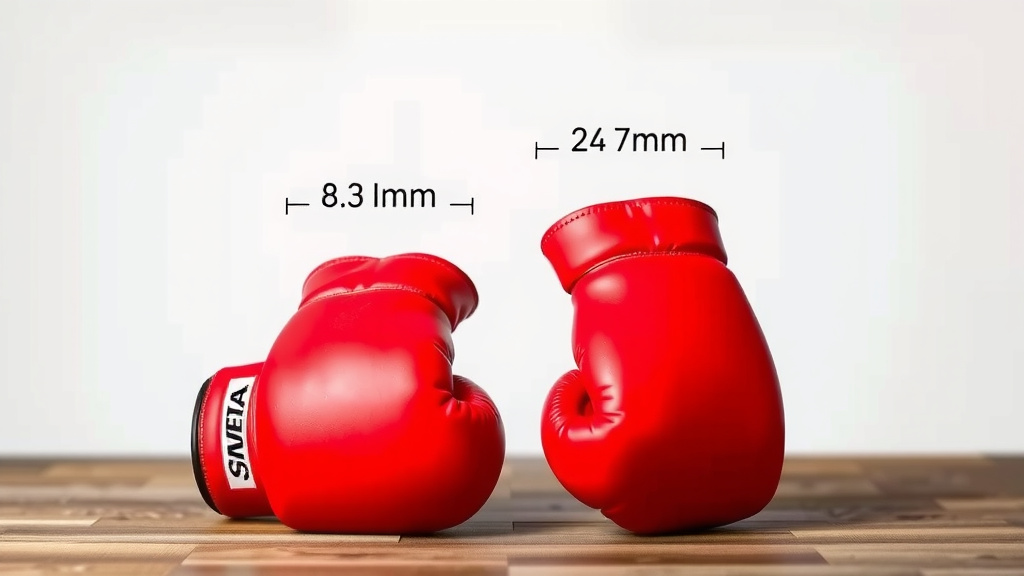
Boxing gloves are measured in ounces (oz), not inches or pounds. The ounce weight tells you how much padding the glove contains, which is determined by both the boxer’s weight and the purpose of the glove. Lighter gloves have less padding, while heavier gloves offer more protection for your hands and your sparring partner.
This measurement system ensures boxers use gloves with the right amount of cushioning for their specific needs. It’s like choosing the right size shoe; you want a snug fit that also provides the necessary support. Understanding glove weight is key for safety and performance in the ring.
- Boxing gloves are measured in ounces (oz).
- Weight indicates the amount of padding.
- Glove weight depends on boxer’s size and training type.
- Heavier gloves offer more protection.
- Lighter gloves are for speed and striking.
Let’s walk through exactly how boxing glove sizes work and what weight is right for you.
Understanding Boxing Glove Sizing: The Ounce System
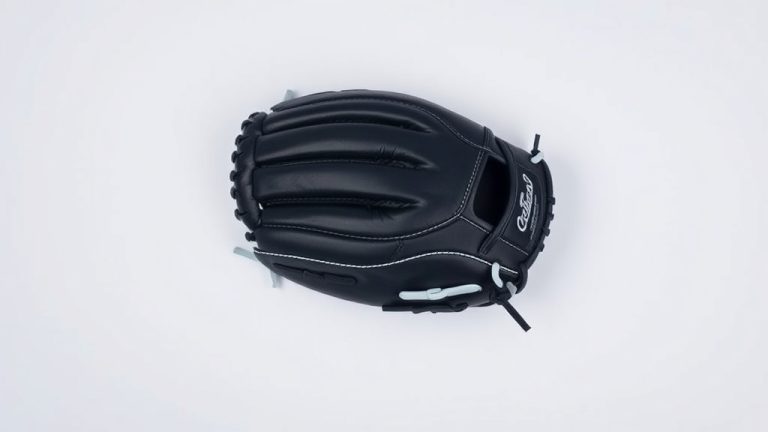
So, you’re wondering how boxing glove sizes are actually determined? It’s pretty straightforward once you get the hang of it. Boxing gloves are measured in ounces (oz). This might seem a little different from what you’re used to, but it’s the standard across the sport. Think of it like how baseball players have different sized gloves. The ounce number tells you about the padding inside the glove. It’s not about the physical length or width of the glove, but its weight, which directly correlates to how much cushioning it has.
What the Ounce Weight Really Means
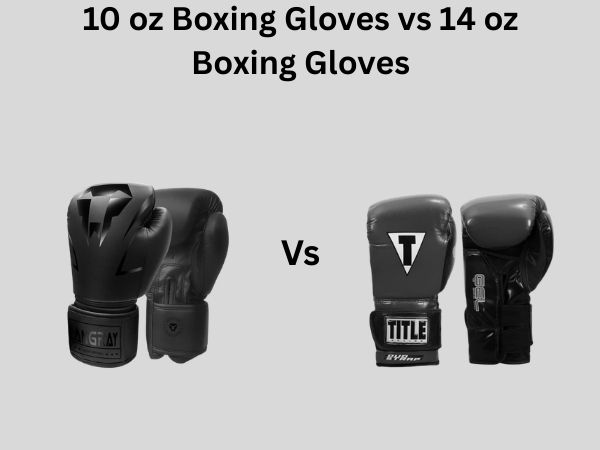
The ounce measurement is a direct indicator of the amount of padding and material used in the glove’s construction. More ounces mean more padding. This added padding isn’t just for comfort; it’s primarily for safety. Heavier gloves, with more ounces, provide better shock absorption. This protects both your hands from the impact of punches and your sparring partners from the force of your blows. It’s a critical balance for ensuring fights and training sessions are as safe as possible for everyone involved.
Factors Influencing Glove Weight
It’s not a one-size-fits-all situation. The weight of the boxer is the biggest factor in deciding the right glove size. Generally, heavier fighters need heavier gloves to handle the increased power behind their punches. But that’s not the only thing to consider. The purpose of the glove also plays a huge role. Are you using them for intense sparring, hitting the heavy bag, or competing in a sanctioned bout? Each activity has different padding requirements.
Glove Weight for Different Training Types
For heavy bag workouts and pad work, you might lean towards gloves that offer a good balance of protection and feel. You still need enough padding to protect your hands, but you might not need the absolute maximum. Gloves in the 12oz to 16oz range are often a good choice here. They let you feel the impact while keeping your hands safe. Many found that using gloves that are too light for bag work can lead to hand injuries over time. Proper padding is key for hand health.
Sparring vs. Competition Gloves
When it comes to sparring, safety is the number one priority. You and your training partners need the best protection. This is why sparring gloves are typically heavier, often ranging from 16oz to 20oz. This extra weight means more padding, which significantly reduces the risk of injury. For professional competition, glove weight is strictly regulated and often lighter (like 8oz or 10oz) to allow for faster punches and knockouts. Amateur bouts might use slightly different weights, but they’re always specified by the governing body.
Choosing the Right Glove Weight for You
Deciding on the perfect glove weight is like finding the right tool for the job. You want something that fits your needs precisely. A good rule of thumb is to consider your own body weight. This is because it often correlates with the power you generate. Let’s break it down a bit.
Glove Weight Based on Boxer’s Weight
We found that many experts recommend a general guideline based on a boxer’s weight. For lighter individuals, say under 100 lbs, 10oz or 12oz gloves might be appropriate for training. As you move up in weight, so should your gloves. Boxers weighing between 100-150 lbs often find 14oz or 16oz gloves suitable for general training and sparring. For those over 150 lbs, 16oz to 18oz gloves are commonly recommended for sparring and heavy bag work.
Here’s a general guide we put together:
| Boxer’s Weight | Recommended Training/Sparring Glove Weight (oz) |
|---|---|
| Under 100 lbs | 10-12 oz |
| 100 – 150 lbs | 14-16 oz |
| 150 – 200 lbs | 16-18 oz |
| Over 200 lbs | 18-20 oz |
Remember, this is a starting point. Always consult with your coach or trainer for personalized advice.
The Role of Glove Material and Design
While ounces measure the padding, the overall design and materials also matter. A glove’s fit and feel can vary greatly between brands and models, even if they have the same ounce rating. Some gloves might have a tighter fit, while others are roomier. The type of padding (foam density, layered construction) can also affect how the glove performs. Manufacturers often use a combination of materials to achieve specific levels of protection and durability. It’s worth noting that professional boxing often has very specific rules about glove construction and weight for sanctioned fights.
Prioritizing Hand Protection
Ultimately, the goal is to protect your hands. Your hands are your most important tools in boxing. Neglecting proper glove weight can lead to injuries like sprains, fractures, or long-term damage to your knuckles and wrists. We found that many amateur boxers tend to use lighter gloves for too long, thinking it will make them faster. However, the risk of injury often outweighs any perceived benefit. It’s better to train smart and invest in gear that safeguards your health.
A Quick Glove Weight Checklist
Need a quick reminder of what to look for? Keep these points in mind:
- Check the ounce (oz) rating. This is your primary measurement.
- Consider your body weight. Heavier fighters usually need heavier gloves.
- Think about your training goals. Sparring needs more padding than bag work.
- Always prioritize safety. Don’t sacrifice protection for speed.
- Consult your coach. They have experience with what works best.
- Try them on if possible. Fit and feel are also important.
Conclusion
You’ve learned that boxing gloves are measured in ounces, and this weight directly reflects the amount of padding. Understanding this system is key to your safety and performance. We found that choosing the right glove weight depends on your body weight and what you’ll be doing – whether it’s hitting the heavy bag, sparring, or competing. Always remember that proper hand protection is non-negotiable in boxing. Your next step should be to assess your current training needs and consult with a coach to select the best glove weight for you.
Frequently Asked Questions
Are all boxing gloves measured in ounces?
Yes, universally, boxing gloves are measured in ounces (oz). This measurement refers to the weight of the glove, which is directly related to the amount of padding it contains. It’s the standard way to understand the level of protection a glove offers.
Can I use my sparring gloves for heavy bag training?
Generally, yes, you can use your sparring gloves for heavy bag training. Sparring gloves offer ample padding, which is beneficial for protecting your hands during bag work. However, many trainers recommend having separate gloves for bag work and sparring to prolong the life of your sparring gloves.
Do lighter gloves mean faster punches?
While lighter gloves can feel faster, the difference is often minimal and may not outweigh the reduced protection. We found that the primary purpose of lighter gloves, typically used in professional fights, is to increase the speed of punches and the potential for knockouts, but they offer less protection for your hands.
How do I know if my boxing gloves are the right weight?
The right weight depends on your body weight and training type. A good rule of thumb, as outlined in our guide, is to consider your weight and whether you’re sparring or hitting the bag. If you’re unsure, consulting with a boxing coach is the best way to determine the ideal weight for your needs.
Are competition gloves different from training gloves?
Yes, competition and training gloves often differ. Competition gloves, especially in professional boxing, are regulated by weight (e.g., 8oz or 10oz) and design to ensure fairness and excitement. Training gloves, particularly for sparring, are typically heavier (16oz-20oz) to provide maximum protection for both you and your training partners.