Training vs Sparring Gloves: What’s the Difference
Choosing between boxing training gloves and sparring gloves is essential for safety and performance. Training gloves are generally designed for heavy bag work and pad training, offering durability. Sparring gloves, on the other hand, prioritize protecting both you and your training partner with softer padding.
While both types protect your hands, their construction differs significantly. Training gloves need to withstand constant impact. Sparring gloves focus more on cushioning and impact distribution to prevent injuries during live rounds. Understanding this distinction is key to selecting the right gear for your boxing journey.
- Training gloves are for hitting bags and pads.
- Sparring gloves protect you and your opponent.
- Padding and durability are the main differences.
- Using the wrong gloves can lead to injury.
Below, we’ll break down the key differences between boxing training gloves and sparring gloves so you can make the best choice for your workouts.
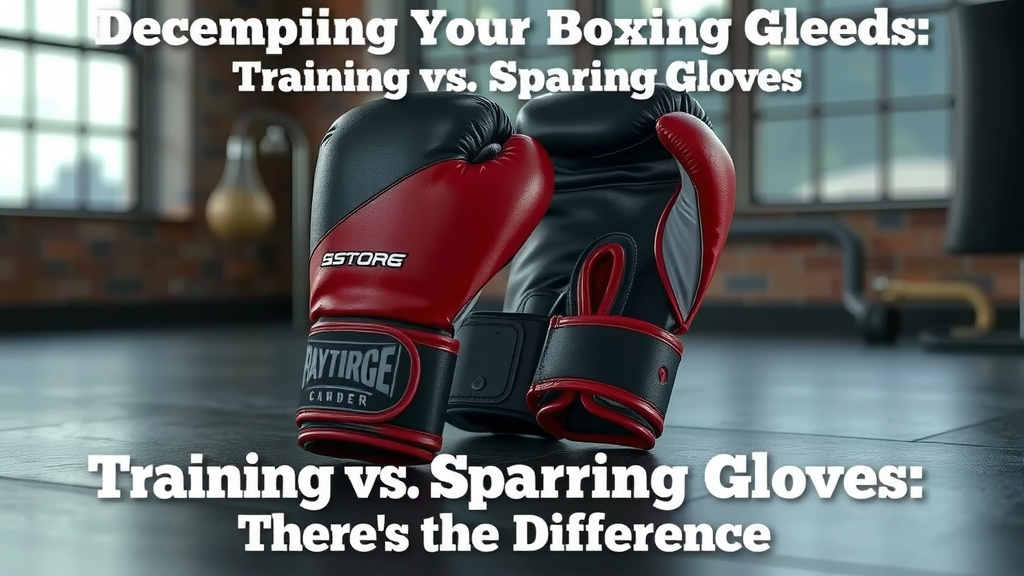
Deciphering Your Boxing Glove Needs: Training vs. Sparring
So, you’re hitting the gym, ready to put in the work. But wait, which gloves do you grab? It’s a common question, and frankly, a pretty important one for your hands and your training partners. We’re here to clear up the confusion between boxing training gloves and sparring gloves. Let’s break down what makes them different and why it matters.
Understanding the Core Function of Each Glove Type
Think of it like this: your training gloves are your workhorses. Your sparring gloves are your protectors. They each have a distinct job, and using the wrong one can lead to some unpleasant consequences.
The Role of Training Gloves
Training gloves are built for the grind. Their primary purpose is to endure repeated impact with heavy bags, speed bags, and focus mitts. They need to be tough and supportive. Many coaches say they should feel like a durable extension of your own hand for these repetitive tasks.
The Purpose of Sparring Gloves
Sparring gloves, on the other hand, are all about safety. Their design prioritizes cushioning and impact distribution. This protects both you and the person you’re sharing the ring with. The goal is to simulate a fight’s intensity without causing unnecessary harm.
Key Differences in Construction and Padding
The real magic—or science, rather—lies in how these gloves are built. The padding, the materials, even the fit all play a role in their intended use. You’ll notice the differences as soon as you pick them up.
Padding Density and Distribution
This is where the biggest distinctions lie. Training gloves often have firmer, more compact padding. This helps them withstand the force of hitting inanimate objects without bottoming out. It offers good support but less immediate shock absorption for a partner.
Sparring gloves, however, feature softer, thicker padding. This is strategically placed to spread the impact force across a larger area. It’s like wearing a thicker, plusher pillow on your fist. This is critical for reducing the concussive force transmitted to your training partner’s head.
Durability vs. Protection Focus
Training gloves are made to last through thousands of strikes. They often use more robust outer materials and denser padding that won’t break down quickly. Think of them as the rugged boots of the boxing world.
Sparring gloves, while still durable, have a slightly different priority. Their main job is to provide maximum protection. The softer padding, while great for safety, might wear down a bit faster with consistent, hard use compared to a dedicated training glove.
Material and Fit Considerations
Both types come in leather and synthetic materials. Leather generally offers better breathability and durability, but it also comes at a higher price point. Synthetic options are more budget-friendly and can still perform well.
The fit is also something to consider. Training gloves might feel a bit more snug, offering a locked-in feel for power punching. Sparring gloves might feel slightly roomier due to the extra padding, providing that extra cushion. Many experts recommend trying on gloves if possible, as hand size and personal preference play a big part (National Institutes of Health).
When to Use Which Glove: Practical Scenarios
Knowing the differences is one thing; putting them into practice is another. Here’s a simple guide to help you choose the right glove for your session.
Heavy Bag and Pad Work
If you’re spending your session pounding on the heavy bag, working on your speed bag, or hitting pads with a coach, grab your training gloves. Their firmer padding will give you great feedback and support. They are designed to absorb that repetitive shock without feeling mushy.
Live Partner Drills and Sparring Sessions
When you’re stepping into the ring with a partner for drills or full sparring, this is where sparring gloves are non-negotiable. Safety is the absolute top priority. Wearing sparring gloves helps ensure that your powerful punches don’t cause injury to your opponent, and vice-versa. It’s about controlled intensity and mutual respect.
Why Using the Wrong Glove is a Bad Idea
You might be tempted to just grab any glove that fits. But trust us, it’s not worth the risk. Your hands are complex structures, and protecting them should be a priority.
Risk of Hand Injuries
Using training gloves for sparring can be too harsh on your opponent’s head, potentially leading to unwanted injuries like cuts or even more serious trauma. Conversely, using sparring gloves on a heavy bag might lead to hand fatigue or a feeling of lacking feedback. More importantly, repeatedly hitting a heavy bag with overly soft sparring gloves could potentially lead to your own hand injuries over time due to lack of firm support.
Impact on Your Training Partner
The primary reason for distinct sparring gloves is to protect the person you’re working with. Their skull and brain are delicate. The extra padding in sparring gloves acts as a vital buffer. Not using them is like trying to perform surgery without the right tools – dangerous and irresponsible.
A Quick Glove Checklist for Your Gym Bag
To make your choice even easier, here’s a quick rundown:
- Heavy Bag Bliss: Training gloves are your go-to.
- Pad Work Power: Training gloves for focused drills.
- Partner Protection: Sparring gloves are a must.
- Live Rounds Ready: Always use sparring gloves when facing an opponent.
- Hand Health First: Choose gloves that fit well and feel supportive.
- Safety First, Always: Never compromise on protection for yourself or others.
Making the Final Choice for Your Boxing Journey
Choosing between boxing training gloves and sparring gloves isn’t about one being “better” than the other. It’s about choosing the right tool for the right job. Your hands are your most important assets in boxing. Treating them—and your training partners—with the respect they deserve starts with the right pair of gloves.
Conclusion
You now understand the core differences between boxing training gloves and sparring gloves. Training gloves are your tough companions for heavy bag and pad work, built for durability. Sparring gloves are your protectors, prioritizing softer padding to keep you and your partner safe during live drills. Using the wrong gloves can lead to hand injuries or harm your training partner, so making the right choice is vital for your boxing journey.
Your next step is to look at your current gear. Do you have both types? If not, consider adding the appropriate gloves for your training needs. Investing in the right protection ensures safer and more effective workouts. Your hands will thank you for it!
Frequently Asked Questions
Can I use training gloves for sparring if I don’t have sparring gloves?
It’s strongly advised against using training gloves for sparring. Their firmer padding is designed for inanimate objects and can transfer too much force to your partner’s head, increasing the risk of injury. Sparring gloves are specifically designed for safety in partner drills.
How often should I replace my boxing gloves?
The lifespan of your gloves depends on how often you train and the quality of the gloves. Look for signs of wear like torn seams, flattened padding, or a loss of support. Training gloves used frequently might need replacement sooner than sparring gloves used less often.
Do weightlifting gloves work for boxing?
No, weightlifting gloves are not suitable for boxing. They offer different types of protection, focusing on grip and preventing calluses during lifting. Boxing gloves are designed to protect your hands and wrists from impact and to cushion blows for both you and your partner.
Is there a difference between boxing and Muay Thai gloves?
While often similar, Muay Thai gloves can sometimes have a slightly different design, often with a more compact profile and distinct thumb protection. Boxing gloves typically have more padding focused on the fist and wrist for general punching. Both are built for striking, but the specific nuances cater to each sport’s techniques.
How important is the fit of sparring gloves?
The fit of sparring gloves is extremely important for both comfort and safety. They should feel snug but not overly tight, allowing your hand to move naturally while providing ample cushioning. A poor fit can lead to discomfort, reduce your effectiveness, or even increase the risk of hand injuries during sparring.