Boxing Glove Sizing Explained: Find Your Perfect Fit
Boxing glove sizes are determined by their weight in ounces, not by physical dimensions. You’ll see sizes like 10 oz, 12 oz, 14 oz, and 16 oz. These ounce ratings primarily indicate the amount of padding inside the glove. More padding means a heavier glove and better protection for both you and your sparring partners. So, when we talk about boxing glove size, we’re really talking about how much cushion they offer.
Choosing the right size is super important for training safely and effectively. A heavier glove, like a 16 oz, is generally used for sparring to reduce the impact of punches. Lighter gloves, like 10 oz or 12 oz, are often used for bag work or pad work where less protection is needed and you want to work on your speed. Many coaches recommend specific sizes based on your weight and experience level to ensure you’re training smart.
- Boxing glove size is measured in ounces (oz).
- Ounces refer to the amount of padding inside the glove.
- Heavier gloves (e.g., 16 oz) offer more protection for sparring.
- Lighter gloves (e.g., 10 oz) are often for bag or pad work.
- Your weight and training type determine the best glove size.
Let’s break down exactly how to pick the perfect glove size for your boxing journey.
Understanding Boxing Glove Sizing in Ounces
So, you’re stepping into the world of boxing and need to figure out glove sizes. It can feel a little confusing at first, right? We found that most people wonder about how these sizes actually work. The most important thing to remember is that boxing glove size isn’t about the physical measurement of the glove itself, like its length or width.
Instead, boxing glove size is measured in **ounces (oz)**. This ounce rating tells you about the amount of padding inside the glove. Think of it like a cushion rating. More padding means a heavier glove and, importantly, more protection. This is key for keeping both your hands and your training partner safe during sparring.
How Ounce Weight Translates to Protection and Use
You’ll see boxing gloves come in various ounce weights. These can range from as light as 4 oz for very young children to as heavy as 20 oz for professional heavyweight sparring. For adult training, the most common sizes you’ll encounter are 10 oz, 12 oz, 14 oz, and 16 oz.
We found that the general rule of thumb is: the higher the ounce number, the more padding and weight the glove has. This extra padding serves a vital purpose.
The Role of Padding in Glove Weight
The padding is typically made from foam or other shock-absorbing materials. This material is what gives the glove its bulk and its weight. When you hit something – be it a heavy bag, a pad, or your sparring partner – the padding helps to absorb and distribute the impact force. This means less force travels back up your arm and to your knuckles. It also reduces the concussive force felt by the person receiving the punch.
For sparring, where punches are thrown with intent and force, this extra protection is absolutely essential. It’s not about making punches weaker; it’s about making them **safer to practice** with.
Choosing the Right Ounce Weight for Your Training
So, how do you pick the right size for yourself? It really comes down to what you’ll be doing in the gym and your own body weight. Coaches often have specific recommendations, and it’s wise to listen to their advice.
We found that most training facilities have a standard guideline for glove usage.
Glove Size for Different Training Activities
When you’re just starting out, or if you’re doing a lot of bag work, lighter gloves might seem appealing. They feel faster and less cumbersome. However, many experts suggest using heavier gloves even for bag work to help build hand strength and to protect your hands from repetitive impact.
Here’s a general breakdown of what each size is typically used for:
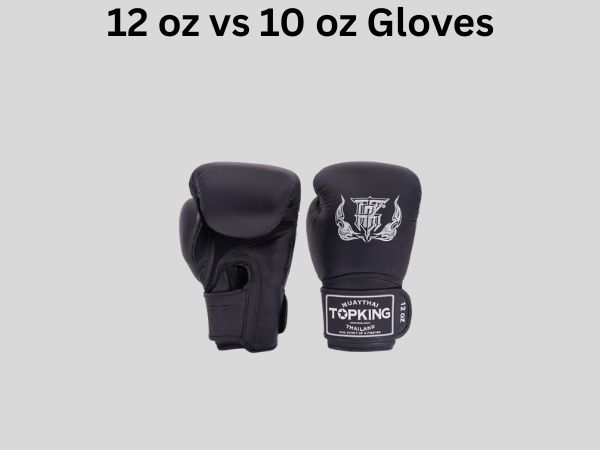
- 10 oz and 12 oz Gloves: These are often considered “sparring weight” gloves for lighter individuals or for those who want to focus on speed during pad work or bag sessions. Some very light adults (under 100-120 lbs) might use these for sparring, but 14 oz or 16 oz are more common. They offer less padding, so they’re better suited for drills where power isn’t the main focus.
- 14 oz Gloves: This is a popular size for general training, including bag work and pad sessions. It offers a good balance between protection and a manageable weight. Some individuals around 120-150 lbs might use 14 oz gloves for sparring, but this is less common than 16 oz.
- 16 oz Gloves: This is the standard sparring glove for most adult boxers who weigh over 120-130 lbs. They offer ample padding to protect your hands and your training partners. Many gyms require 16 oz gloves for all sparring sessions to ensure safety.
- 18 oz and 20 oz Gloves: These are primarily for heavy sparring, especially for larger boxers or those who hit particularly hard. They offer maximum padding and protection. Some people also use them for specific conditioning drills.
Boxing Glove Sizing Based on Your Weight
Your body weight plays a big role in determining the appropriate glove size. A heavier person naturally hits with more force. Therefore, they need gloves with more padding to absorb that force safely.
We found that many boxing organizations and gyms use weight charts as a guide. These are not rigid rules but helpful starting points.
Weight Class Recommendations
Here’s a typical guide that many trainers follow:
| Your Weight | Recommended Glove Size (Sparring/Training) |
|---|---|
| Under 100 lbs | 10 oz – 12 oz |
| 100 lbs – 130 lbs | 12 oz – 14 oz |
| 130 lbs – 160 lbs | 14 oz – 16 oz |
| 160 lbs – 190 lbs | 16 oz – 18 oz |
| Over 190 lbs | 18 oz – 20 oz |
Keep in mind this is a general guideline. Your personal comfort and your coach’s recommendations are always the most important factors. For bag work, you might even use slightly lighter gloves if your gym allows, but always prioritize hand protection. We’ve seen many boxers regret not using enough padding when they’re starting out.
Why Heavier is Often Better for Sparring
It might seem counterintuitive, but using heavier gloves (like 16 oz) for sparring isn’t about reducing your power. It’s about ensuring the safety of everyone in the ring. When you spar, you’re simulating a fight, but you’re doing it with control and a focus on technique. The extra padding in heavier gloves helps to diffuse the impact, reducing the risk of injury to both you and your partner.
Think of it this way: would you rather have a well-padded pillow fight or a rock fight? The pillow fight is much more enjoyable and less likely to result in a trip to the emergency room. Heavier boxing gloves serve a similar protective function.
The Importance of Fit and Comfort
Beyond the ounce rating, the actual fit of the glove is paramount. A glove that’s too tight can restrict your movement and cause discomfort, while a glove that’s too loose won’t offer proper support. You need to be able to make a solid fist inside the glove without excessive effort.
We found that many gloves come in different shapes and hand compartments. Some are designed for a snugger fit, while others offer more room. Try to get a feel for different brands and styles if possible.
Checking the Fit of Your Gloves
When you try on gloves, or even when you’re just getting used to them, do a few practice fists. Can you close your fist naturally? Do your fingers feel cramped? Is there too much space around your knuckles?
A good fit means the glove feels like an extension of your hand. It should feel secure, but not constricting. If you’re buying online, check the sizing charts provided by the manufacturer, as they can vary between brands. Reading reviews from other boxers can also provide valuable insights into how a specific glove fits.
Glove Construction and Its Impact on Sizing
While ounces measure the padding, the overall construction of the glove also influences its feel and how it fits your hand. Different brands use varying densities and layers of padding. This means two gloves of the same ounce weight might feel slightly different.
Some gloves might have a more compact feel, while others are bulkier. This can affect how they feel on your hands and even how they fit inside a hand wrap.
Materials Matter
The materials used in the glove’s shell (usually leather or synthetic leather) and the type of padding (e.g., multi-layered foam, horsehair in older styles) affect the glove’s durability and how it breaks in over time. High-quality leather gloves tend to mold to your hands better. Some synthetic materials can offer good protection at a lower cost. We found that most serious boxers eventually invest in quality leather gloves.
It’s worth noting that as gloves get older and their padding compresses, they may offer slightly less protection. This is another reason why replacing older, heavily used sparring gloves is important for maintaining safety standards.
A Quick Checklist for Choosing Your Glove Size
To sum things up and make your decision easier, here’s a quick checklist:
- Know Your Purpose: Are you sparring, hitting the bag, or doing pad work?
- Consider Your Weight: Use your body weight as a primary guide for ounce selection.
- Listen to Your Coach: They have experience and can offer personalized advice.
- Prioritize Safety: Always choose gloves with adequate padding, especially for sparring.
- Check the Fit: Ensure the gloves are snug but not tight, allowing you to make a fist comfortably.
- Don’t Neglect Hand Wraps: Hand wraps add an extra layer of protection and support, fitting inside your gloves.
Conclusion
You’ve learned that boxing glove size isn’t about physical dimensions, but the ounce weight, which directly relates to padding and protection. We found that choosing the right size is a balancing act between your weight, training type, and safety needs. Heavier gloves are your best bet for sparring, while lighter options are for focused bag work. Always prioritize a good fit and consult your coach for personalized recommendations. Ready to gear up? Your next step is to confidently select gloves that will keep your hands safe and your training effective.
Frequently Asked Questions
Do boxing glove sizes differ between brands?
Yes, they can. While ounces are the standard measurement, glove shape, padding density, and hand compartment design can vary between manufacturers. We found that checking the specific sizing chart for each brand you’re considering is a smart move.
Can I use my sparring gloves for bag work?
Generally, it’s recommended to use heavier gloves (like 16 oz) for sparring and potentially lighter, more specialized gloves for bag work. Using your sparring gloves for heavy bag sessions can wear down their padding faster. We found that dedicated bag gloves can offer better protection for your hands during repetitive striking.
How do hand wraps affect boxing glove size?
Hand wraps add bulk and support inside your gloves. They take up space, so you need to account for them when checking the fit of your gloves. We recommend trying on gloves with hand wraps on to ensure they feel snug but not overly tight.
Are there special gloves for women or kids?
Yes, boxing gloves come in sizes tailored for different users. Smaller ounce gloves (like 4 oz to 8 oz) are common for children, and some brands offer gloves designed with a woman’s hand shape in mind. The ounce sizing principles remain the same, focusing on padding and protection appropriate for the user’s size and strength.
How often should I replace my boxing gloves?
The lifespan of boxing gloves depends on usage and quality. We found that gloves used frequently for sparring or heavy bag work may need replacement every 6-12 months. Look for signs of compressed padding, torn seams, or a loss of cushioning, as these indicate it’s time for a new pair to ensure continued protection.