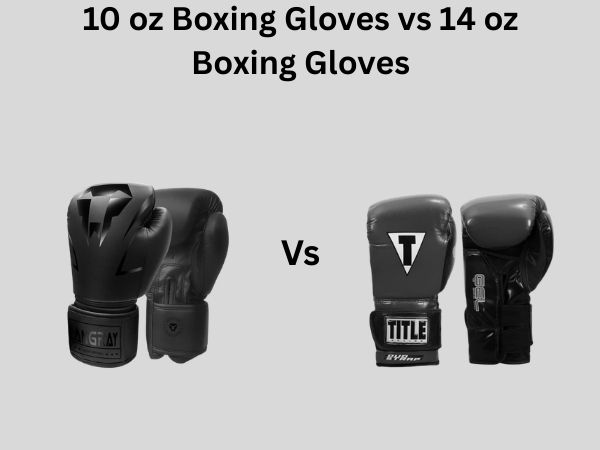
10 oz Boxing Gloves vs 14 oz Boxing Gloves: Which Should You Choose?
When you’re standing in front of a boxing equipment display, staring at rows of gloves in different sizes, you might wonder what’s really the difference between those 10-ounce gloves and the 14-ounce ones. It’s not just about the weight on your hands, is it? There’s a lot more happening beneath the surface that can impact your training, your performance, and even your safety in the ring.
I’ve trained with both, and I can tell you that choosing between these two weights is one of the most critical decisions you’ll make as a boxer. Let me walk you through everything you need to know to make an informed choice.
Understanding Boxing Glove Weight: Why It Matters More Than You Think
Boxing glove weight isn’t just a number. It’s fundamentally connected to how you move, how much power you generate, and how well you protect yourself and your opponent. Think of it like choosing between a sprinter’s shoe and a marathon runner’s shoe—they’re both footwear, but they serve completely different purposes.
The weight of your gloves affects your hand speed, endurance, technique development, and the type of training you’ll be doing. When you’re investing in gloves, you’re essentially investing in your boxing journey, so getting this right matters.
The Basics: What Does the Ounce Measurement Mean?
The ounce measurement refers to the total weight of one glove. So when you buy a pair of 10 oz gloves, each individual glove weighs 10 ounces. This weight includes the outer leather, the padding, the wrist support, and everything in between. It’s a straightforward measurement, but its implications are far-reaching.
The 10 oz Boxing Gloves: Speed and Agility
If you’re the type of boxer who values speed over power, or if you’re looking for gloves that let you move with lightning-fast combinations, then 10 oz gloves might be calling your name.
Who Should Choose 10 oz Gloves?
- Professional boxers competing at middleweight and above
- Lightweight and welterweight competitors
- Boxers with smaller hand sizes
- Those who prioritize hand speed and footwork
- Athletes training for amateur competitions that require lighter gloves
The Speed Advantage You’ll Experience
When you slip on a pair of 10 oz gloves, you’ll immediately notice how responsive they feel. Your hands move faster because you’re not pushing as much weight through the air. It’s like the difference between throwing a tennis ball and throwing a basketball—the lighter projectile travels faster and allows for quicker follow-up shots.
This speed advantage translates directly into your combinations. You can throw more punches in a shorter timeframe, which means you can overwhelm opponents with volume and precision. Your reflexes feel sharper, and your defensive maneuvers become snappier.
Padding and Protection With 10 oz Gloves
Here’s where it gets interesting. You might assume that lighter gloves mean less protection, but that’s not entirely accurate. Modern 10 oz gloves are engineered with sophisticated padding that distributes impact effectively. However, they do offer less cushioning overall compared to heavier alternatives.
This means you’ll feel more of the contact you make. Some boxers love this because it provides immediate feedback on their technique. You know instantly when you’ve landed cleanly or when your punch was slightly off. But this also means you need to be more careful about how you throw your punches to avoid wrist and hand injuries.
Training Considerations for 10 oz Gloves
Using 10 oz gloves during heavy bag work or pad training requires good technique. Since there’s less padding absorbing impact, your hands and wrists take on more responsibility for proper punch alignment. This actually accelerates technical development because sloppy form becomes immediately uncomfortable.
Your shoulder and arm muscles won’t fatigue as quickly, which allows you to maintain training intensity for longer periods. This is why many competitive boxers use 10 oz gloves for their training—they can work longer without their arms getting tired.
The 14 oz Boxing Gloves: Protection and Power
Now let’s talk about the heavier option. The 14 oz glove is like the trusted workhorse of the boxing world, beloved by trainers, beginners, and anyone who takes hand safety seriously.
Who Should Choose 14 oz Gloves?
- Beginning boxers still learning proper technique
- Heavier weight class fighters
- Anyone prone to hand, wrist, or joint injuries
- Boxers focused on general fitness and sparring rather than competition
- Those training in gyms where hand protection is prioritized
The Protective Benefits You’ll Appreciate
The extra padding in 14 oz gloves is substantial. Imagine wearing a puffy winter coat versus a lightweight jacket—the extra material provides noticeably more cushioning. This extra padding absorbs more impact, which reduces the stress on your hands, wrists, and arms.
For beginners, this is invaluable. Your hands are still developing strength and endurance, and your technique isn’t yet refined enough to protect yourself through proper mechanics alone. The 14 oz gloves give you that safety net while you’re learning.
The Sparring Advantage
Here’s something that surprises a lot of people: many experienced boxers prefer 14 oz gloves for sparring sessions, even if they use 10 oz for competition. Why? Because they want to protect their training partners. The extra cushioning means less impact on an opponent’s face and head, which is why many gyms actually require heavier gloves for sparring.
Think about it from a practical standpoint. If you’re regularly hitting your training partners in the face, wouldn’t you want to minimize the force transfer? That’s the philosophy behind using heavier gloves for sparring.
Hand and Wrist Support Features
The 14 oz glove typically comes with more extensive wrist support. The additional material around the wrist area provides greater stability, which is especially helpful if you have previous wrist injuries or if you’re still developing the stabilizer muscles needed for punching.
This extra support can actually improve your confidence in the ring because you feel more secure with each punch you throw. There’s less worry about your wrist collapsing or rolling on impact.
Direct Comparison: Key Differences Explained
Hand Speed and Movement
The 10 oz glove wins here without question. You’ll throw faster combinations and move your hands with greater agility. However, the difference isn’t as dramatic as some people think. An experienced boxer wearing 14 oz gloves can still maintain impressive hand speed. It’s the difference between running at 12 miles per hour versus 13 miles per hour—noticeable, but not night and day.
Punch Impact and Power
This is where it gets nuanced. Lighter gloves don’t necessarily mean less impactful punches. A well-placed punch from a 10 oz glove can be just as devastating as one from a 14 oz glove. However, the heavier glove does deliver impact over a slightly larger surface area due to more padding, which can feel more devastating to the recipient.
Fatigue and Endurance
Training with 10 oz gloves allows your arms to stay fresher longer because you’re not working against as much weight. By the end of a long training session, this difference becomes apparent. Your shoulders, back, and arms will thank you when using the lighter option. Conversely, 14 oz gloves provide more of an arm workout, which some boxers intentionally use to build strength and conditioning.
Cost Comparison
Generally speaking, 10 oz gloves and 14 oz gloves from similar manufacturers cost roughly the same. The weight difference doesn’t significantly impact the price. So you won’t be paying a premium for the lighter option or saving money by going heavier.
Durability and Longevity
Interestingly, lighter gloves often wear out faster because each punch delivers force more directly to the materials. The 14 oz glove’s extra padding can actually extend the glove’s lifespan because it distributes impact more gradually. If you’re concerned about your equipment lasting, the heavier option might win out.
Finding Your Perfect Fit: Practical Decision-Making
Consider Your Boxing Goals
Are you training to compete in professional or amateur boxing? If so, check your competition’s weight class requirements. Different organizations have different regulations about glove weights. Your decision might actually be made for you by these rules.
Are you boxing purely for fitness and fun? Then you have more flexibility to choose based on comfort and preference. There’s no wrong answer if you’re just enjoying the sport.
Evaluate Your Hand and Wrist Health
If you’ve had wrist injuries, hand problems, or arthritis, the 14 oz glove’s extra support and padding might be non-negotiable for you. No amount of speed advantage is worth chronic pain or injury aggravation.
Assess Your Current Skill Level
Beginners benefit from starting with 14 oz gloves because the extra protection allows you to focus on learning technique without worrying excessively about hand safety. As you progress and your technique becomes more refined, you might transition to 10 oz gloves if your competitive goals require it.
Think About Your Training Environment
What’s your gym’s culture? What do your training partners use? What does your coach recommend? These practical factors matter because consistency in training is important. If everyone at your gym uses 14 oz gloves, using 10 oz might make sparring sessions awkward.
The Middle Ground: When Both Make Sense
Here’s a secret many boxers don’t talk about: you don’t have to choose just one. Many serious boxers own multiple pairs of gloves for different purposes. You might use 10 oz for technique work and pad training to build speed, then switch to 14 oz for heavy bag work and sparring for safety and durability.
This approach gives you the best of both worlds. You develop speed and technique with the lighter gloves, then practice safely with the heavier ones. It requires a bigger investment upfront, but it’s a smart strategy if you’re committed to boxing long-term.
Common Misconceptions Cleared Up
Myth: 10 oz Gloves Are Only for Professionals
False. While professionals often prefer them for competition, advanced amateurs and dedicated hobbyists use them regularly. Your skill level matters more than your status as an amateur or professional.
Myth: Heavier Gloves Always Hit Harder
Not necessarily true. A technically skilled boxer with 10 oz gloves can generate more impactful punches than a less skilled boxer with 14 oz gloves. Technique and speed often matter more than weight.
Myth: You’ll Injure Your Hands with 10 oz Gloves
If you use proper technique and aren’t training with damaged hands already, 10 oz gloves are perfectly safe. Millions of boxers worldwide use them without hand injuries.
Transitioning Between Glove Weights
If you’ve been using one weight and want to switch, do it gradually. Your hands and forearms have adapted to a specific feel and impact pattern. Switching suddenly can be jarring and might lead to soreness or minor injuries.
Spend a week or two mixing both weights in your training. Maybe use 10 oz for pad work and 14 oz for heavy bag. Let your body acclimate to the change before committing fully to the new weight.
Quality Matters More Than Weight
Before you finalize your decision between 10 and 14 ounces, understand that the quality of the gloves matters tremendously. A well-made 14 oz glove from a reputable manufacturer will outperform a poorly made 10 oz glove every single time.
Focus on finding gloves from established brands known for quality construction, premium padding materials, and solid wrist support. The weight is just one factor in a complex equation.
Conclusion
Choosing between 10 oz and 14 oz boxing gloves ultimately depends on your individual circumstances, goals, and preferences. There’s no universally correct answer that applies to every boxer.
If you’re a competitive boxer, a lightweight athlete, or someone who prioritizes hand speed and technical development, the 10 oz glove is likely your best choice. The reduced weight allows for faster combinations and maintains the immediacy of feedback on your technique.
If you’re a beginner, train in a heavier weight class, have previous hand or wrist injuries, or prefer sparring safety, the 14 oz glove is the wiser selection. The extra padding and support provide protection and peace of mind that allows you to focus on improving your skills without injury concerns.
Consider your boxing goals, your current skill level, your hand and wrist health, and your training environment. Talk to experienced boxers at your gym and listen to your coach’s recommendations. Most importantly, don’t overthink this decision. Both options are legitimate choices used by thousands of successful boxers worldwide.
If you’re still undecided, consider starting with 14 oz gloves to learn proper technique safely, then potentially transitioning to 10 oz if your competitive aspirations require it. This approach ensures you build a solid technical foundation while keeping your hands healthy throughout your boxing journey.
Frequently Asked Questions
Can I use 10 oz gloves if I’m just starting out in boxing?
Yes, you technically can, but it’s not recommended. Starting with 14 oz gloves gives your developing hands and wrists better protection while you’re still learning proper punching mechanics. Once you’ve built strength and your technique is solid, transitioning to 10 oz gloves is fine. Most beginners benefit from the extra cushioning and support that 14 oz gloves provide during the learning phase.
Will 10 oz gloves hurt my hands more than 14 oz gloves?
Not if you use proper punching technique. The 10 oz glove delivers more direct feedback because there’s less padding to absorb and dampen the impact. This can feel sharper initially, but it’s not inherently damaging. In fact, many experienced boxers argue that 10 oz gloves encourage better technique because sloppy form becomes immediately uncomfortable. If you have pre-existing hand issues, however, 14 oz gloves are safer.
Are there regulations about glove weight in boxing competitions?
Yes, different boxing organizations have different rules. Amateur boxing organizations typically specify glove weights based on weight class, and these regulations can vary between organizations. Professional boxing also has weight specifications that depend on the bout’s weight class. Before competing, always check with your specific organization about their glove requirements. This might determine your choice for you.
How much difference will I actually notice in hand speed between 10 oz and 14 oz gloves?
Most boxers notice a tangible difference, though it varies by individual. The speed increase typically feels most noticeable during rapid combinations and fast combination work. However, the difference isn’t dramatic enough to significantly impact your boxing ability if you choose the wrong weight. An experienced boxer with proper technique can move fast with either option. The 10 oz glove simply allows for