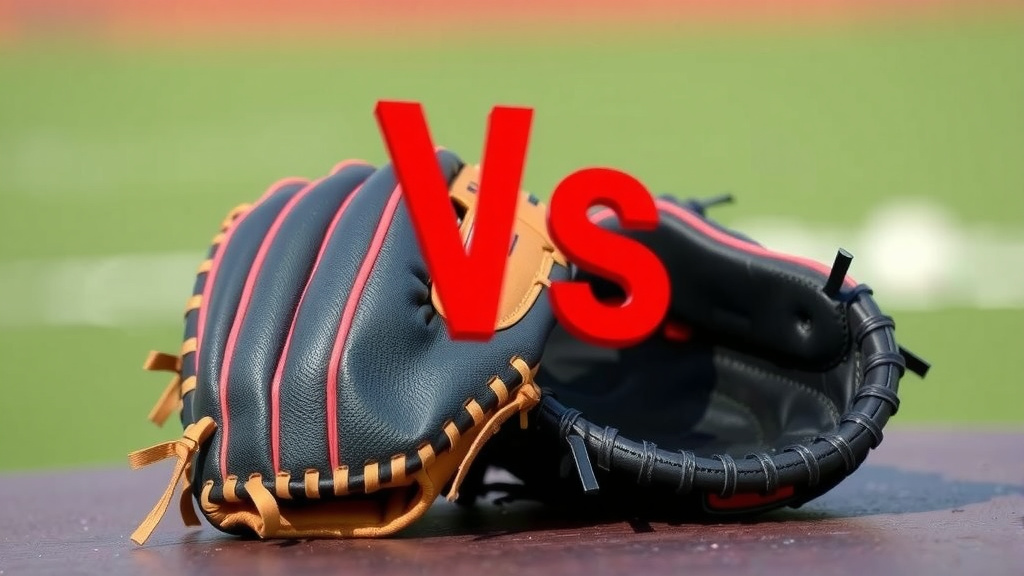
Cheap vs Expensive Baseball Gloves: What’s the Real Difference
While a cheap baseball glove might get you on the field, an expensive glove often offers superior durability and performance. You can find decent budget gloves, but higher-priced options typically use better leather and construction for a longer lifespan and better feel.
Choosing between a budget and premium glove depends on your play style and needs. We found that the materials and craftsmanship are the biggest differentiators. Many players find the investment in a pricier glove is worthwhile for a better playing experience over time.
- Budget Gloves: Okay for casual play, but may wear out faster.
- Expensive Gloves: Better materials mean more comfort and longer life.
- Key Differences: Leather quality and construction make a big impact.
- Your Needs Matter: Consider how often you play and your skill level.
Let’s walk through exactly what makes these gloves different and how to pick the right one for your game.
Understanding the Difference Between Affordable and Premium Baseball Gloves
When you’re looking for a baseball glove, you’ll notice a wide range of prices. You might wonder if spending more money really gets you a better glove. We found that the answer is often yes, but it depends on what you need. Let’s break down what makes a glove cost more and if that extra cash is worth it for your game.
What’s Inside a Baseball Glove? The Materials Matter
The biggest difference you’ll see between a cheap and an expensive baseball glove is the material used for its construction. Think of it like buying shoes – a canvas sneaker won’t last as long or feel as good as a well-made leather boot.
Leather Quality: The Heart of the Glove
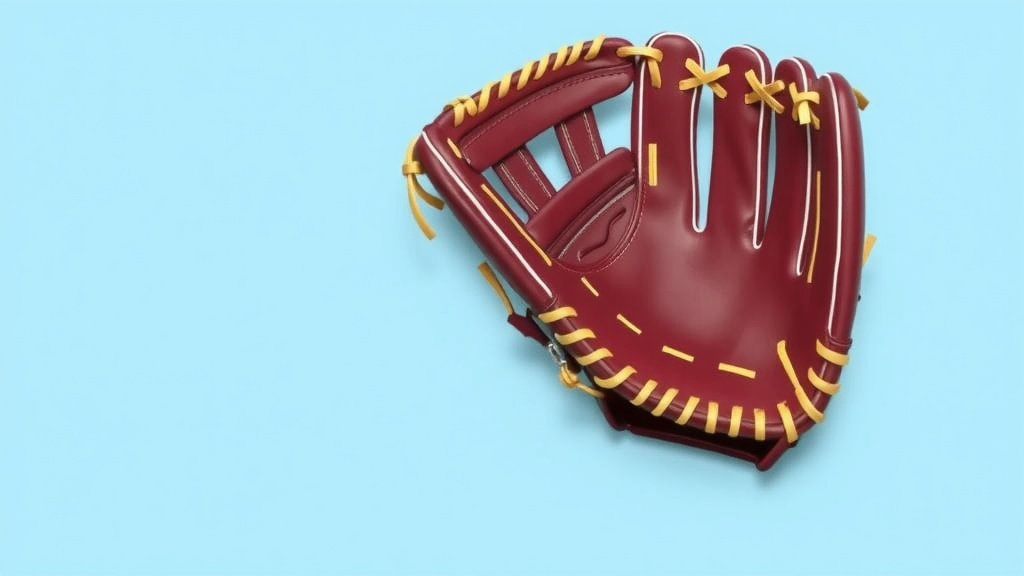
The type and quality of leather used are the primary drivers of price. Higher-end gloves typically use full-grain leather. This is the topmost layer of the hide, which is the strongest and most durable. It also has a natural feel that molds to your hand over time.
Lower-priced gloves often use top-grain leather or even synthetic materials. Top-grain leather is still good, but it’s been buffed and treated, making it less durable than full-grain. Synthetics can feel okay at first, but they don’t break in like real leather and can wear out much faster. We found that this is where most of the cost savings happen.
Full-Grain Leather: The Gold Standard
This is the premium choice. It’s strong, flexible, and develops a unique patina as it ages. It requires more care but rewards you with excellent performance and longevity. Many professional players swear by gloves made from the best full-grain leather.
Top-Grain Leather: A Good Middle Ground
This leather is still of good quality. It’s often found in mid-range gloves. It’s a step down from full-grain but much better than cheaper options. It offers a decent balance of feel and durability.
Synthetic Leather and Other Materials: The Budget Option
Gloves made with synthetic materials are usually the most affordable. They are often lighter and require less break-in time. However, they tend to be less durable and may not offer the same comfortable fit as leather gloves. These are great for occasional players.
Construction and Craftsmanship: How It’s Put Together
Beyond the leather, how a glove is made plays a huge role in its price and performance. Stitches, lacing, and overall design all contribute to how well the glove functions.
Expensive gloves are often built with more attention to detail. This means stronger stitching, better lacing that holds its shape, and a more refined fit. We found that well-made gloves feel more comfortable and secure on your hand, which can boost your confidence on the field.
Stitching and Lacing: Holding It All Together
Premium gloves use heavy-duty stitching and strong lacing. This ensures the glove can withstand the impact of catching hard-hit balls. The laces are often made of leather as well, which is more durable than nylon or synthetic alternatives. Poorly made stitching can lead to blowouts and a glove that falls apart quickly.
Padding and Lining: Comfort and Protection
The padding inside the glove helps absorb shock. Expensive gloves tend to have better padding, especially in the palm area. This protects your hand and makes catching more comfortable. The lining material also matters. A soft, breathable lining can make a glove feel much better on your hand, even during long games.
How Much Should You Expect to Spend? Price Ranges
The cost of a baseball glove can vary dramatically. Understanding these ranges can help you set your budget and expectations.
| Glove Type | Typical Price Range | Key Features |
|---|---|---|
| Budget/Entry-Level | $20 – $75 | Synthetic materials or lower-grade leather. Good for casual play. Shorter lifespan. |
| Mid-Range | $75 – $150 | Decent quality leather (top-grain). Better construction. Good for regular play and developing players. |
| Premium/Professional | $150 – $300+ | High-quality full-grain leather. Superior craftsmanship. Designed for serious players and long-term use. |
Budget Gloves: When to Consider Them
If you’re just starting out, playing in a casual league, or buying for a young child who will outgrow it quickly, a budget glove can be a smart choice. They allow you to get into the game without a large financial commitment. We found that for occasional backyard games, these are perfectly adequate.
Mid-Range Gloves: A Solid Investment
For players who are serious about the game but not yet at a professional level, mid-range gloves offer a great balance. They use better materials and construction than budget options. This means they’ll hold up better to regular use and provide a more comfortable feel. Many coaches recommend this category for developing young athletes.
Expensive Gloves: When the Investment Makes Sense
If you play frequently, are on a competitive team, or want a glove that will last for many seasons, an expensive glove is likely your best bet. The superior materials and craftsmanship provide better performance and comfort. We found that many experienced players feel the difference immediately.
Performance and Feel: How the Glove Plays
Does a more expensive glove actually perform better? In short, yes. The materials and construction directly impact how the glove feels and functions on the field.
Break-In Period: Getting Ready to Play
One of the biggest differences is the break-in process. Cheaper gloves, especially those with synthetic parts, might feel ready to go right away. However, this “ready” feeling can be stiff and unyielding.
Higher-quality leather gloves require more time to break in. This involves conditioning and shaping the glove. But, once broken in, they become an extension of your hand. We found that the effort is well worth it for the custom fit and feel.
Pocket Depth and Shape: Securing the Ball
Expensive gloves often have a more defined and deeper pocket. This makes it easier to secure line drives and fast pitches. The way the glove is designed helps it close around the ball, reducing the chance of errors.
Budget gloves may have a shallower or less consistent pocket. This can make it harder to control the ball after a catch. Many players feel that a well-formed pocket is essential for making clean plays.
Durability and Longevity: Playing Season After Season
This is where the cost really pays off. A high-quality glove, made with premium leather and strong stitching, will last much longer. It can withstand the rigors of constant use, including hard catches and various weather conditions.
We found that cheaper gloves often show wear and tear much faster. Seams can split, leather can crack, and the padding can flatten out. If you’re looking for a glove to last you for several seasons, investing more upfront is often more economical in the long run.
Choosing the Right Glove for You: A Quick Checklist
Making the right decision comes down to your personal needs. Consider these points to guide your choice:
- Frequency of Play: How often will you be using the glove?
- Skill Level: Are you a beginner, intermediate, or advanced player?
- Budget: How much are you comfortable spending?
- Age and Size: Are you buying for yourself or someone else, considering growth?
- Playing Position: Different positions may benefit from specific glove designs.
- Preference for Feel: Do you prefer a glove that’s ready to go, or are you willing to break one in?
Conclusion
Choosing between a cheap and an expensive baseball glove boils down to your specific needs on the field. While budget options can get you started, investing in a pricier glove often means better full-grain leather, superior craftsmanship, and a more comfortable, durable experience. We found that the long-term performance and feel of a premium glove are often worth the extra cost for dedicated players. Before you buy, consider how often you play and your skill level. Your next step is to visit a sporting goods store and feel the difference yourself. Try holding a few gloves in your price range to see which one feels like the perfect extension of your hand.
Frequently Asked Questions
Will a cheap glove hurt my hand more than an expensive one?
Yes, an expensive glove often provides better padding and construction, which can absorb more impact. This protection helps reduce sting and discomfort, especially when catching harder-hit balls. Cheaper gloves may offer less padding, potentially leading to more hand fatigue and soreness.
How long should I expect a cheap glove to last compared to an expensive one?
A cheap glove, often made with synthetic materials or lower-grade leather, might last one or two seasons with casual use. An expensive glove made with high-quality full-grain leather and robust stitching can last for many years, even with frequent play. You’re essentially paying for durability and longevity.
Can a beginner player really tell the difference between glove types?
Even beginners can notice a difference in comfort and ease of catching. A better glove often has a more defined pocket and supple leather, making it easier to secure the ball. While a beginner might not need a professional-grade glove, a mid-range option can significantly improve their learning experience and confidence.
Is it worth breaking in an expensive glove if I’m not a serious player?
If you play regularly, even recreationally, the effort to break in an expensive glove is usually rewarding. Once properly broken in, these gloves mold to your hand, offering superior control and a personalized feel that cheaper gloves can’t match. The improved performance can make playing more enjoyable.
What’s the biggest mistake people make when buying a baseball glove based on price?
The biggest mistake is often buying solely on price without considering play style or frequency. Some players might overspend on a pro-level glove they don’t fully utilize, while others might underspend and quickly need a replacement. Matching the glove’s quality and features to your actual baseball needs is key.