How Leather Gloves Are Made: A Step-by-Step Guide
Making leather gloves involves several careful steps, transforming raw animal hides into the soft, protective coverings you wear. The process begins with selecting the right leather, often from cows, sheep, or goats, followed by processes like tanning and dyeing to prepare it for use. These stages are essential for durability and appearance.
Beyond the basic steps, skilled artisans play a huge role in creating high-quality leather gloves. They cut the leather precisely, often by hand, and then stitch the pieces together using specialized machines. This attention to detail ensures a comfortable fit and long-lasting wear, turning a simple material into a functional accessory.
- Leather glove making starts with selecting and preparing animal hides.
- Tanning and dyeing give the leather its final look and feel.
- Skilled craftspeople cut and stitch the leather pieces together.
- The final result is a durable and comfortable pair of gloves.
Let’s walk through exactly how those beautiful leather gloves get made, from hide to hand.
How Leather Gloves Get Made: A Detailed Look
Ever wondered about the journey your favorite leather gloves took before landing on your hands? It’s a process steeped in tradition and craftsmanship. We’re going to walk you through each step. You’ll see how raw hides transform into stylish and protective gear.
From Hide to High Quality: The Leather Preparation
The magic starts long before any stitching happens. It begins with selecting the right animal hides. Different animals offer unique qualities for gloves. Let’s break down what goes into preparing the leather.
Choosing Your Leather: What’s Available?
The type of animal skin used really matters. Each has its own strengths and feels. You’ve likely encountered gloves made from several common sources.
Cowhide: The All-Rounder
Cowhide is a popular choice. It’s known for its durability and toughness. This makes it great for work gloves or everyday wear. Cowhide can feel a bit stiff at first. But with time, it softens beautifully. You’ll find it offers good protection against the elements.
Sheepskin: For Softness and Comfort
If you crave softness, sheepskin is often the answer. It’s incredibly supple and lightweight. This makes it ideal for dress gloves or fashion accessories. Sheepskin isn’t as rugged as cowhide. But its luxurious feel is unmatched. It also provides excellent insulation for colder weather.
Goatskin: The Best of Both Worlds
Goatskin offers a fantastic balance. It’s strong yet remarkably soft. You get durability without sacrificing comfort. Goatskin also has natural water-resistant properties. This makes it a versatile option for many uses. Many experts agree goatskin provides a great feel for driving gloves.
The Crucial Tanning Process
Once the hides are selected, they need tanning. Tanning is what stops the hides from decaying. It also makes the leather flexible and strong. Without tanning, you’d just have dried-out skin.
Vegetable Tanning: Traditional and Eco-Friendly
This older method uses natural tannins. These come from tree barks and plant materials. Vegetable tanning is a slower process. It creates a firm, rich leather. This type of leather develops a beautiful patina over time. Many prefer it for its natural look and feel. Some sources suggest it’s better for the environment (U.S. National Park Service).
Chrome Tanning: Faster and More Flexible
Most modern leather production uses chrome tanning. It employs chromium salts. This method is much quicker. It produces a soft, pliable leather. Chrome-tanned leather is often used for gloves that need a lot of flexibility. It’s also very resistant to water and heat.
Adding Color: The Dyeing Stage
After tanning, the leather is usually a pale, neutral color. This is where the dyeing comes in. Dyes are used to give the leather its desired hue. This step is key for aesthetics. It allows manufacturers to create gloves in a rainbow of colors.
Drum Dyeing: Even Color Distribution
The most common method is drum dyeing. Leather pieces are tumbled in large rotating drums. These drums contain the dye mixture. This ensures the color penetrates the leather evenly. This technique is essential for consistent coloring.
Finishing Touches: Protecting and Enhancing
Once dyed, the leather might get additional finishes. These can include oils, waxes, or protective coatings. These finishes improve water resistance. They also enhance the leather’s smoothness and shine. This final treatment protects your gloves.
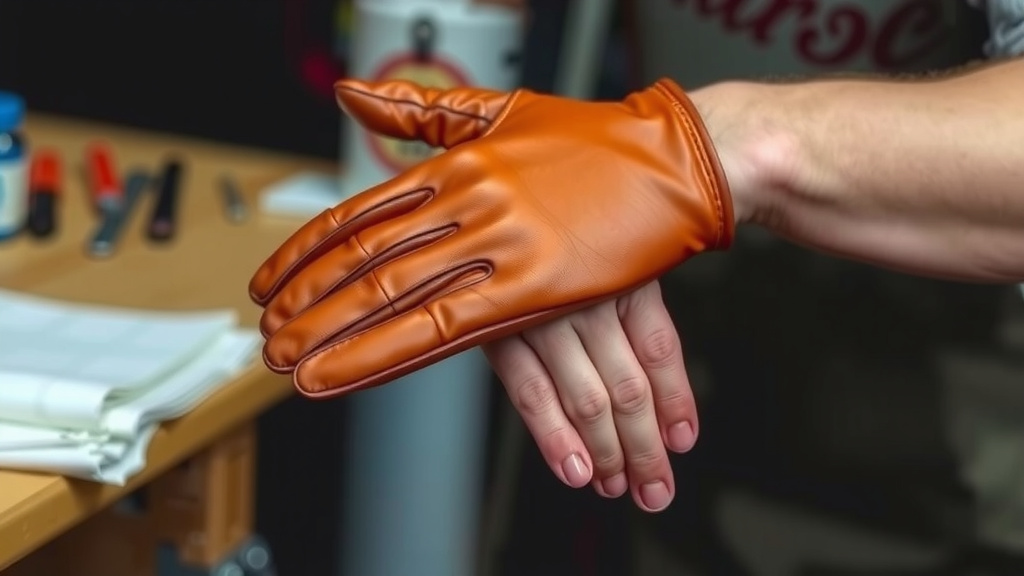
Crafting the Gloves: From Flat Sheet to Fashion
Now that the leather is ready, the actual glove construction begins. This is where skilled hands and precise tools come into play. The goal is a perfect fit and lasting quality.
The Art of Pattern Cutting
Cutting the leather accurately is vital. It’s like tailoring a suit, but for your hands. The patterns must account for finger length and hand shape. This ensures a comfortable, snug fit.
Hand Cutting: Precision by Masters
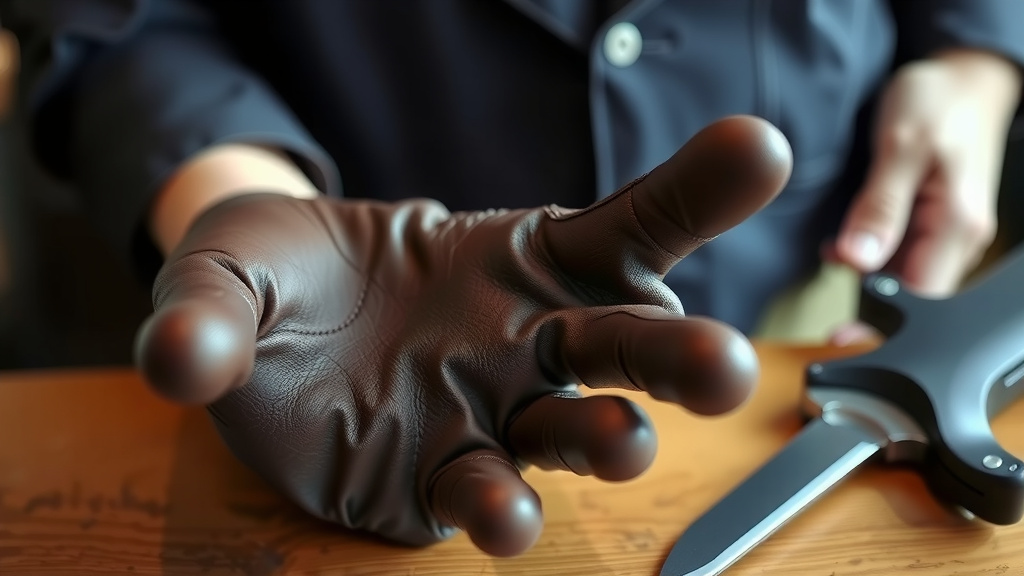
Many high-end glove makers still use hand cutting. Skilled artisans use sharp knives. They trace patterns onto the leather. This method allows for careful inspection of the hide. It ensures the best parts of the leather are used. This is where true artistry is evident.
Die Cutting: For Mass Production
For larger production runs, die cutting is common. Metal dies shaped like glove pieces are used. A hydraulic press forces the die through the leather. This method is faster and more consistent. It’s essential for meeting high demand.
Stitching: Bringing It All Together
With the pieces cut, they’re ready for stitching. This is where the glove really takes shape. Specialized machines are used. But the skill of the operator is still important.
The “Peccary Stitch”: A Sign of Quality
You might have heard of the “peccary stitch.” This refers to a specific type of seam. It involves folding the leather edges inward. This creates a neat, durable seam. It’s often seen on premium gloves. Many believe this stitch offers superior strength and appearance.
Different Seam Styles for Different Gloves
There are various seam styles. Some are designed for durability, others for aesthetics. For example, a “welt seam” offers extra protection. A “box stitch” is often used for dress gloves. We found that the type of stitching impacts both the look and feel (Leather Crafters & Hobbyist Magazine).
Final Inspections and Finishing
Before gloves are packaged, they undergo final checks. Every stitch is examined. The fit is tested. Any imperfections are caught. This ensures you receive a flawless product.
Think of it like this: the leather preparation is like gathering and prepping your ingredients. The cutting and stitching are the actual cooking and assembly. The final inspection is tasting and plating. Everything needs to be just right!
Here’s a quick checklist of the key stages you’ve learned about:
- Selecting appropriate animal hides.
- Tanning the hides to preserve and soften them.
- Dyeing the leather to achieve the desired color.
- Precisely cutting the leather pieces for each glove.
- Stitching the pieces together using specialized techniques.
- Performing final quality checks for a perfect finish.
Conclusion
You’ve now seen how raw hides transform into the supple, protective leather gloves you wear. It’s a journey of careful selection, skilled tanning, and precise crafting. From choosing between durable cowhide and soft sheepskin to the detailed stitching, each step matters. Your gloves are a result of tradition and artistry working together. Now that you understand this process, you can better appreciate the quality and care that goes into your next pair. Next time you pick up your favorite leather gloves, remember the detailed journey they took to reach you!
Frequently Asked Questions
What makes different types of leather feel so different in gloves?
The type of animal hide used greatly affects the feel. Cowhide is known for its toughness and ability to soften over time. Sheepskin offers exceptional softness and is lightweight. Goatskin provides a great balance of strength and suppleness.
Why is the tanning process so important for leather gloves?
Tanning is essential because it preserves the animal hide and prevents it from decaying. It also makes the leather flexible and durable, ready for the stresses of use. Without tanning, leather would simply become brittle and unusable.
Can I tell if my leather gloves were made using vegetable or chrome tanning?
Often, vegetable-tanned leather has a firmer feel and develops a unique patina over time, showing its natural character. Chrome-tanned leather is typically softer, more pliable, and often more water-resistant right from the start.
What’s the difference between hand-cut and die-cut leather gloves?
Hand-cutting allows artisans to carefully select the best parts of the hide and offers maximum precision for unique designs. Die-cutting uses metal molds and a press for faster, more consistent results, making it ideal for mass production.
Does the type of stitching affect the quality of leather gloves?
Yes, the stitching style can impact both durability and appearance. For instance, a “peccary stitch” is often found on premium gloves for its neatness and strength. Different seams are chosen based on whether the glove needs to be more rugged or more refined.