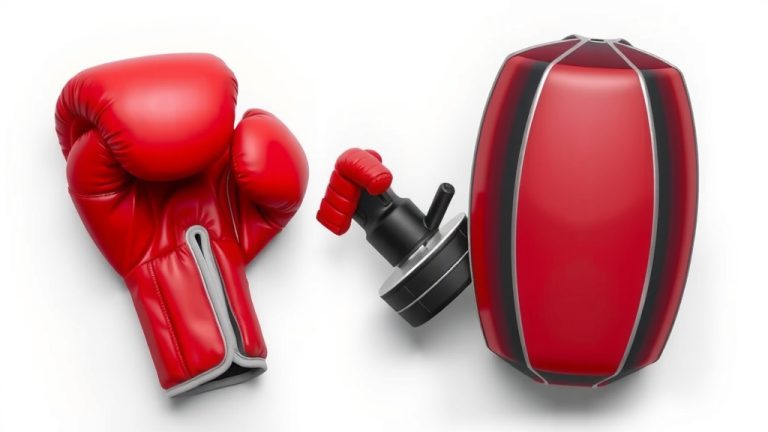
16 vs 14 oz Gloves: Which Should You Pick?
When choosing between 16 oz and 14 oz boxing gloves, consider your training needs and weight. For most adult men doing general training or sparring, 16 oz gloves offer superior protection. Lighter fighters or those focused on speed drills might prefer 14 oz gloves.
The difference in ounces might seem small, but it impacts hand protection and power transfer. Understanding this distinction helps you make a smart choice for your boxing journey. We’ve looked at the key differences to help you decide.
TL;DR:
- 16 oz gloves are generally best for heavy bag work and sparring.
- 14 oz gloves are good for lighter fighters or speed training.
- Weight class and training type are the biggest factors.
- Protection for your hands and your training partner is key.
Let’s get into the details of what each weight means for your training and how to pick the right pair for you.
“`html16 oz vs. 14 oz Gloves: Making the Right Choice for Your Training
Choosing the right glove weight is like picking the right tool for a job. It impacts your performance and keeps you safe. Let’s break down the 16 oz and 14 oz glove difference so you can feel confident in your decision.
Understanding Glove Weight (Ounces)
The “ounce” rating on boxing gloves refers to their weight. This weight comes from the padding inside. More padding means more weight. It’s a simple concept with big implications for your hands and your training partners.
How Glove Weight Affects Your Workout
Think of it this way: heavier gloves mean more padding. This extra padding does two main things. It helps cushion the impact of your punches. It also makes your punches feel a bit slower and heavier. Lighter gloves offer less padding. This can mean more impact travels through to your hand. But it also lets you move faster.
Protection for You and Your Partner
One of the biggest reasons for choosing glove weight is protection. Heavier gloves generally offer more cushioning. This is great for both you and anyone you’re hitting. Imagine catching a ball with a padded glove versus a bare hand. The padded glove absorbs more shock. This is true for boxing gloves too.
The Role of Hand Wraps
Don’t forget about hand wraps! Hand wraps are essential for any boxer. They add another layer of support and protection to your hands and wrists. Even with the best gloves, wraps are key to preventing injuries. They work together with your gloves. Good hand wraps can make a difference, regardless of glove weight.
16 oz Gloves: The All-Around Workhorse
When we talk about 16 oz gloves, we’re often talking about the most common choice for adult boxers. Many gyms require them for sparring. This is because they offer a good balance of protection and weight.
Ideal For: Heavy Bag and Sparring
These gloves are fantastic for hitting the heavy bag. They give you a satisfying thud without sending too much shock up your arm. More importantly, they are a standard for sparring sessions. The extra padding significantly reduces the risk of injury for both you and your training partner. Many safety guidelines recommend 16 oz gloves for sparring, especially for heavier individuals (Cleveland Clinic).
Who Benefits Most from 16 oz Gloves?
If you’re an adult male weighing over 120-130 pounds, 16 oz gloves are often the default. They’re great for general conditioning and power training. They also provide ample protection if you’re just starting out and still developing your technique. Your hands will thank you later.
Potential Downsides of 16 oz Gloves
The main “downside” is their bulk. They can feel a bit slower for very fast punch combinations. If your main focus is speed work, you might find them a little cumbersome. But for most general training, this isn’t a major issue.
14 oz Gloves: Speed and Lighter Training
Now, let’s look at 14 oz gloves. These are a step down in weight and padding from the 16 oz. They serve a specific purpose in your training arsenal.
Best For: Speed Drills and Lighter Boxers
14 oz gloves are excellent for speed drills. The lighter weight allows for quicker hand speed and more fluid combinations. They are also a good choice for lighter fighters who don’t need as much padding to protect themselves. If you weigh under 120 pounds, 14 oz gloves might feel more comfortable and proportionate for your frame.
When to Consider 14 oz Gloves
Are you focusing heavily on improving your punch speed? Do you want to practice long rounds of combinations without feeling fatigued by heavy gloves? Then 14 oz might be your go-to. They can also be useful for mitt work or light bag sessions where maximum power isn’t the goal.
Considerations for 14 oz Gloves
The key consideration here is protection. While they offer decent padding, they don’t provide quite the same level of impact absorption as 16 oz gloves. This means you need to be more mindful of your technique. You also need to be cautious if you plan to spar with heavier partners. Always check gym rules, as many require 16 oz for sparring.

Quick Comparison: 16 oz vs. 14 oz
Here’s a simple table to help you see the differences at a glance:
| Feature | 16 oz Gloves | 14 oz Gloves |
|---|---|---|
| Primary Use | Sparring, Heavy Bag, General Training | Speed Drills, Mitt Work, Lighter Bag Work |
| Protection Level | High | Moderate |
| Hand Speed Impact | Slightly slower feel | Allows for faster movement |
| Ideal for | Most adults, heavier fighters, sparring | Lighter fighters, speed focus, specific drills |
Making Your Final Choice
So, how do you pick? It really comes down to your weight, training goals, and safety. If you’re unsure, err on the side of caution. Heavier gloves offer more protection. They are usually the better choice for beginners and for sparring.
Your Training Checklist
Ask yourself these questions to guide your decision:
- What is your current body weight?
- What type of training will you do most often?
- Is sparring a regular part of your routine?
- Are you prioritizing hand protection or speed?
- What are the rules at your training gym?
By considering these points, you’ll be well on your way to selecting the perfect pair of gloves. You want gloves that support your journey, keep you safe, and help you train effectively.
“`Conclusion
You’ve now seen how 16 oz and 14 oz gloves differ and how they fit into your training. Remember, 16 oz gloves are your go-to for safety and general use, especially for sparring and heavy bag work. If your focus is on speed and you’re a lighter fighter, 14 oz gloves can be a great option. Your body weight, training goals, and your gym’s rules are your best guides. Making the right choice protects your hands and enhances your performance. Now, you’re ready to pick the pair that will best support your boxing journey.
Frequently Asked Questions
Are 14 oz gloves okay for beginners?
For most beginners, 16 oz gloves are recommended. They offer more padding, which is crucial when your technique is still developing. While 14 oz gloves might feel lighter, they provide less shock absorption for your hands. Always check with your coach or gym for their specific recommendations on glove weight for new members.
Can I use 16 oz gloves for speed training?
You can use 16 oz gloves for speed training, but they will feel heavier. This extra weight can actually help build strength over time. However, if your primary goal is to improve hand speed and execute fast combinations, 14 oz gloves will feel more natural and less fatiguing. Many boxers use different glove weights for different training sessions.
Do glove size recommendations depend on my weight class?
Yes, your weight class is a primary factor. Lighter boxers, generally under 120-130 lbs, might find 14 oz gloves more suitable. Heavier boxers or those over 130 lbs usually benefit more from the extra padding and protection of 16 oz gloves. This helps ensure adequate protection for both you and your training partners.
How much does hand wrap thickness affect glove choice?
Hand wraps add support and a thin layer of padding. While essential, they don’t replace the core padding of the glove itself. Even with thick wraps, a 16 oz glove offers substantially more impact absorption than a 14 oz glove. Focus on proper wrapping technique for wrist support, regardless of your glove weight.
What if my gym has specific glove rules for sparring?
Always follow your gym’s rules. Most boxing gyms require 16 oz gloves for sparring to ensure maximum safety for everyone. This is especially true when partners have significant weight differences. If you’re unsure, ask your coach or the gym staff about their policies before buying gloves.