Bath Gloves vs Loofah: Which Exfoliates Better?
When it comes to exfoliation, bath gloves offer a more intense scrub than a loofah. While both are great for sloughing off dead skin cells, your choice depends on your skin’s sensitivity and your desired exfoliation level. Bath gloves typically provide a firmer, more direct application of pressure for deep cleaning.
Choosing between them is a common shower dilemma. You want smooth, glowing skin, but you don’t want to irritate it. We found that understanding the material and structure of each helps you pick the best tool for your daily routine. Consider what you’re hoping to achieve: gentle buffing or a vigorous polish.
- Bath gloves give a stronger scrub.
- Loofahs offer a softer exfoliation.
- Consider your skin type.
- Both help remove dead skin.
- Choose based on your exfoliation goals.
Let’s dive into the nitty-gritty of bath gloves versus loofahs to help you make the best choice for your skin.
Choosing Your Exfoliation Tool: Gloves vs. Loofahs
You’re standing in the shower, ready for that satisfying scrub. But wait, which tool will give you the best results? We’ve looked into the world of bath accessories. We found that both bath gloves and loofahs can help you achieve smoother skin. The main difference lies in the intensity of the exfoliation they provide.
Think of it this way: a bath glove is like a gentle but firm massage. A loofah is more like a light buffing. Your skin’s needs will help you decide which one is right for you today. Let’s break down what makes each unique.
The Power of Bath Gloves
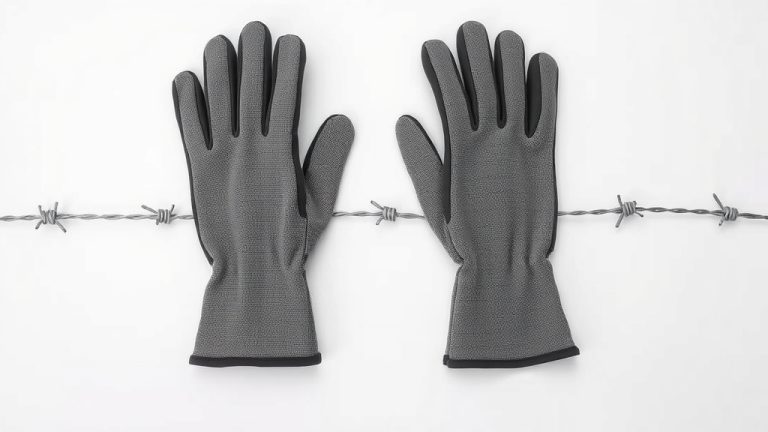
Bath gloves are often made from materials like nylon, polyester, or a blend. These fabrics can be woven or knitted to create a rougher texture. When you slide your hands into them, you gain direct control over the pressure you apply. This means you can really get into those rough spots.
Many people find that bath gloves offer a more invigorating scrub. They’re excellent for targeting areas that tend to be drier or rougher, like your elbows, knees, and heels. Because you’re using your hand, you can also feel where you’re applying pressure. This helps prevent accidentally scrubbing too hard in sensitive areas.
What Makes Them So Effective?
The texture of bath gloves is key. It’s designed to effectively remove dead skin cells. Think of it like a gentle sandpaper for your skin, but much softer! The weave of the fabric creates friction. This friction lifts away dull, dry skin, revealing the fresh, new skin underneath.
Research suggests that regular exfoliation can improve skin texture and tone (Cleveland Clinic). Bath gloves make this process straightforward and effective. You can use them with your favorite body wash or soap. The lather works well with the glove’s texture.
Understanding the Versatile Loofah
Loofahs, on the other hand, come in two main types: natural and synthetic. Natural loofahs are actually a type of gourd from the cucumber family. They have a fibrous interior that dries out to create a scrubby texture. Synthetic loofahs are typically made from plastic mesh.
Both types are known for their ability to create a good lather. They also help to gently slough away dead skin. However, the exfoliation level is generally softer than that of bath gloves. This makes them a good choice for daily use or for those with more sensitive skin.
Natural vs. Synthetic Loofahs
Natural loofahs have a unique texture. It can vary depending on how they’re processed. They tend to be a bit more porous than synthetic ones. This can allow for a gentler scrub. Many people appreciate their eco-friendly aspect, as they are biodegradable.
Synthetic loofahs are often more durable. They can also create a richer lather. The plastic mesh can be quite effective at removing dead skin. However, some studies have raised concerns about synthetic materials potentially harboring bacteria if not cleaned properly. We found that rinsing and drying them thoroughly is important for both types.
Comparing the Exfoliation Experience
When we compare bath gloves and loofahs side-by-side, the primary difference is the level of exfoliation intensity. Bath gloves generally provide a deeper, more focused scrub. This is due to the direct pressure and the often coarser material. They are fantastic for deep cleaning and tackling rough patches.
Loofahs, especially natural ones, tend to offer a more diffused and gentler exfoliation. They are great for maintaining smooth skin on a regular basis without being too harsh. Synthetic loofahs can offer a bit more scrubbing power than natural ones, but usually still less than a bath glove.
| Feature | Bath Gloves | Loofah (Natural) | Loofah (Synthetic) |
|---|---|---|---|
| Exfoliation Intensity | High | Mild to Moderate | Moderate |
| Best For | Tackling rough skin, deep cleaning | Gentle daily exfoliation, sensitive skin | Good lather, moderate exfoliation |
| Control Over Pressure | High | Moderate | Moderate |
| Material Feel | Coarser, direct scrub | Fibrous, slightly rough | Mesh-like, can be rough |
| Lather Production | Good | Good | Excellent |
Who Should Use What?
Your skin type is a big factor in this decision. If you have normal to oily skin and tend to get rough patches, bath gloves might be your best friend. They can handle a more vigorous scrub. You can also control the pressure to avoid irritation.
If you have dry or sensitive skin, a natural loofah could be a better starting point. Its gentler exfoliation is less likely to cause redness or irritation. Synthetic loofahs can be a middle ground, offering more scrubbing power than natural ones but still generally less than gloves.
We also found that your personal preference plays a huge role. Do you enjoy that feeling of a really deep clean? Do you want to feel like you’re scrubbing away every last bit of dryness? If so, gloves might be the way to go. If you prefer a more relaxed, everyday buffing, a loofah might be more your style.
Tips for Maximizing Your Exfoliation
No matter which tool you choose, there are a few tips to make your exfoliation routine even better. First, always use your tool on wet skin. Applying it to dry skin can be too harsh and lead to micro-tears.
Second, make sure to use a good cleanser or soap. This helps lift away the dead skin cells more effectively. We found that a creamy body wash can sometimes be a bit too slick for intense exfoliation, so a gel or foaming cleanser often works best.
Hygiene is Key
It’s super important to keep your exfoliation tools clean. Bacteria can grow on damp surfaces. After each use, rinse your bath glove or loofah thoroughly with water. Squeeze out as much moisture as possible. Then, hang it up or place it where it can air dry completely between uses.
For bath gloves, many are machine washable, which is a great way to ensure they get truly clean. For loofahs, whether natural or synthetic, replacing them every few months is a good practice. This ensures you’re always exfoliating effectively and hygienically.
Making Your Final Choice: A Quick Checklist
Still undecided? Let’s recap the main points to help you choose. Ask yourself these questions:
- Do you want a deep, strong scrub?
- Is your skin typically rough or dry?
- Do you need to tackle specific rough patches like elbows or heels?
- Do you prefer a gentle, daily exfoliation?
- Is your skin generally sensitive or easily irritated?
- Are you looking for a tool that creates a rich lather with minimal effort?

Conclusion
You’ve learned that both bath gloves and loofahs are fantastic for exfoliation. Your choice really boils down to your skin’s needs and what kind of scrub you enjoy. Bath gloves offer a powerful, direct clean for tougher skin, while loofahs provide a gentler, more diffused polish, perfect for sensitive types or daily maintenance. Remember to keep your chosen tool clean and dry to get the best results. Now you’re ready to pick the right tool and reveal your smoothest, brightest skin!
Frequently Asked Questions
How often should you exfoliate with gloves or a loofah?
For most people, exfoliating 1-3 times per week is ideal. If you have sensitive skin, start with once a week and see how your skin reacts. Over-exfoliating can lead to irritation, so listen to your skin and adjust accordingly.
Can I use bath gloves or a loofah on my face?
Generally, it’s best to avoid using bath gloves or loofahs on your face. Facial skin is much more delicate. We found that using a gentle facial scrub or a soft washcloth is a safer option for facial exfoliation.
What’s the best way to clean a bath glove or loofah?
After each use, rinse your tool thoroughly with hot water. Squeeze out excess moisture and hang it to air dry completely between uses. Some bath gloves can also be machine washed; check the care instructions for your specific item.
Do natural loofahs exfoliate better than synthetic ones?
Natural loofahs tend to offer a milder exfoliation compared to synthetic ones. Synthetic loofahs, made from plastic mesh, can provide a more vigorous scrub. Your skin type and preference for intensity will determine which is better for you.
How long do bath gloves and loofahs typically last?
Bath gloves, especially if cared for properly and machine washed, can last several months. Loofahs, both natural and synthetic, should ideally be replaced every 3-4 months. This ensures optimal hygiene and effectiveness.