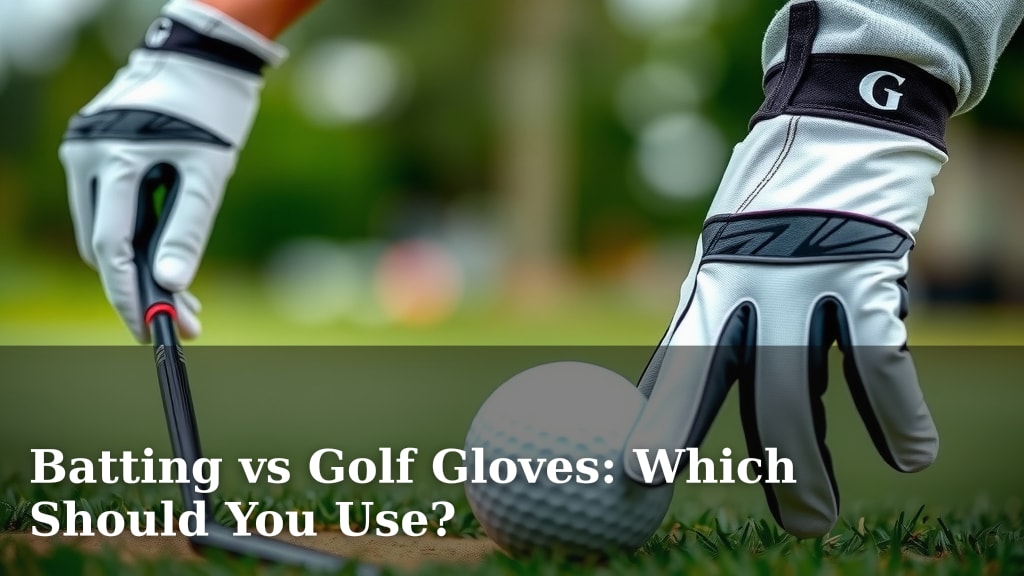
Batting vs Golf Gloves: Which Should You Use?
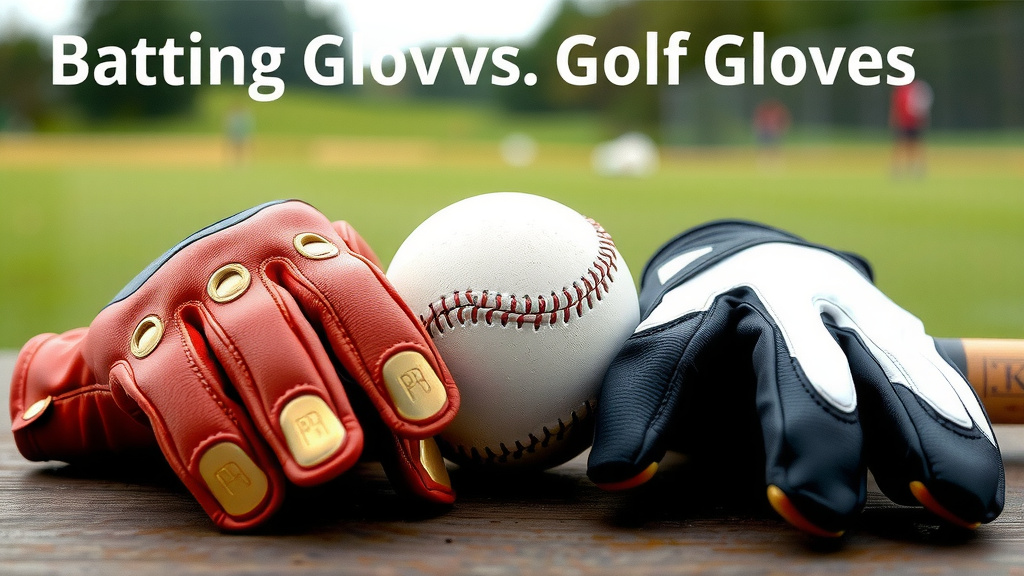
When deciding between batting gloves and golf gloves, you should use batting gloves for baseball or softball. Golf gloves are designed for the smooth grip of a club, not the rough impact of a bat. Batting gloves offer superior protection and grip for swinging a bat.
While both are types of gloves, their purposes are quite different. Batting gloves focus on cushioning your hands from vibration and providing a secure hold on the bat. Golf gloves prioritize feel and flexibility for precise control over a club. Using the wrong glove can affect your performance and even lead to injury.
- Batting gloves are for baseball/softball.
- Golf gloves are for golf.
- Batting gloves provide better grip and protection for swinging.
- Golf gloves offer feel and flexibility for club control.
- Using the wrong glove can hurt your game and hands.
Let’s break down why these differences matter so much and which glove is right for your sport.
Batting Gloves vs. Golf Gloves: What’s the Real Difference?
You’re ready to hit the field or the links, and you’re wondering about gloves. Do you grab the ones from your baseball bag or your golf bag? It’s a fair question, as both are gloves designed for sports. But using the wrong one can really mess with your game. We’re here to help you figure out which glove is your best bet for each activity.
Let’s get straight to it: **batting gloves are for baseball and softball**, and **golf gloves are strictly for golf**. Trying to use them interchangeably is like trying to hammer a nail with a driver—it’s just not what they’re made for. Each glove has a unique design built for the specific demands of its sport. We’ll break down why.
The Purpose of a Batting Glove
Think about swinging a baseball bat. It’s a powerful, jarring motion. Your hands take a beating with every swing, especially on off-center hits. Batting gloves are designed to deal with this kind of stress. Their main jobs are to give you a better grip on the bat and to protect your hands from shock and blisters.
Grip and Control on the Bat
When you’re up to bat, you need a firm, secure grip. You don’t want the bat slipping, especially during a powerful swing. Batting gloves are typically made with materials like leather or synthetic leather on the palm. This offers a sticky surface. It helps your hands hold onto the bat tightly. This improved grip means you can focus more on your swing mechanics rather than worrying about losing your hold.
Protection Against Impact and Blisters
Swinging a bat repeatedly can lead to sore hands and blisters. The vibration from hitting the ball can travel up your arms. Batting gloves have padding, especially in the palm and fingers. This padding acts as a cushion. It absorbs some of the shock and reduces friction against your skin. This protection is key for comfort and endurance during a long game or practice session.
Materials and Construction
Batting gloves often feature a combination of materials. The palms are usually a durable, grippy material. The back of the hand might use a breathable fabric like mesh. This helps keep your hands cool. They also tend to be a bit more robust in their construction. This is to withstand the rigors of baseball and softball.
The Purpose of a Golf Glove
Now, let’s switch gears to golf. Golf is a game of finesse and precision. You’re not trying to hit a ball with the same explosive force as a baseball swing. Instead, you’re aiming for control and feel. Golf gloves are built with these principles in mind. Their primary goal is to provide a consistent feel and grip on the club.
Feel and Sensitivity for Club Control
In golf, you need to feel the club in your hands. You want to know exactly how the grip feels. Golf gloves are usually made from thin, soft leather, like cabretta leather. This material offers a sensitive touch. It allows you to feel the club’s texture and make subtle adjustments to your grip. This is essential for executing delicate shots and maintaining control through the swing.
Consistent Grip in Various Conditions
While batting gloves aim for a sticky grip, golf gloves focus on a consistent, non-slip grip. Even if your hands get a little sweaty, a golf glove is designed to maintain its grip on the club. This consistency helps you repeat your swing. It doesn’t matter if it’s a hot day or a humid one. You can trust your grip on the club.
Flexibility and Breathability
Flexibility is crucial for a golfer’s swing. You need your hands to move freely. Golf gloves are often designed to be snug and stretchable. They allow for maximum dexterity in your fingers and wrist. Many are also highly breathable. This helps prevent your hands from getting too hot and sweaty, which could affect your feel and control.
Why You Shouldn’t Mix Them Up
So, why is it a bad idea to wear batting gloves for golf, or golf gloves for baseball? It all comes down to those core differences in design and purpose. Using the wrong glove can affect your performance and, more importantly, your health.
Batting Gloves on the Golf Course?
Imagine wearing thick, padded batting gloves to play golf. You’d lose all that crucial feel for the club. The extra padding and grippy palm would likely make your grip feel awkward and bulky. You might also find them too stiff. This could restrict your wrist movement. You could end up with less control over your swing. Many golf experts suggest that using batting gloves would be detrimental to your game.
Golf Gloves on the Baseball Field?
Now, picture stepping up to the plate with thin golf gloves. The first thing you might notice is the lack of padding. That jarring vibration from hitting the ball would hit your hands hard. You’d likely develop blisters much faster. Plus, the thin material might not offer enough grip on a sweaty bat. We’ve found that this can lead to the bat slipping, which is dangerous. You could also find that the glove wears out very quickly. It’s just not built for that kind of impact and friction.
Here’s a quick comparison to sum it up:
| Feature | Batting Gloves | Golf Gloves |
|---|---|---|
| Primary Sport | Baseball, Softball | Golf |
| Main Purpose | Grip, Protection, Shock Absorption | Feel, Consistent Grip, Control |
| Palm Material | Durable leather/synthetic for sticky grip | Soft, thin leather for feel and sensitivity |
| Padding | Moderate to significant padding | Minimal to no padding |
| Flexibility | Flexible, but built for durability | High flexibility for wrist and finger movement |
| Durability | Built to withstand repeated impact | Designed for less intense wear and tear |
Making the Right Choice for Your Sport
The choice between batting gloves and golf gloves is simple when you consider their intended use. It’s all about matching the glove’s features to the demands of your sport. Do you want to protect your hands and get a solid grip on a powerful tool? Batting gloves are your go-to. Do you need a sensitive feel and precise control over a delicate swing? Golf gloves are the answer.
Wearing the correct glove isn’t just about comfort; it’s about performance and safety. The right glove can help you hit harder, swing smoother, and play longer without pain. Think of it as equipping yourself with the right tool for the job. Your hands will thank you for it.
A Quick Checklist for Glove Selection
To help you remember the key differences and make the best choice, here’s a handy checklist:
- Is the sport baseball or softball? Choose batting gloves.
- Is the sport golf? Choose golf gloves.
- Do you need protection from impact and vibration? Batting gloves offer this.
- Do you need maximum feel and flexibility for precise control? Golf gloves are better.
- Is a strong, almost sticky grip on a handle important? Batting gloves excel here.
- Is a consistent, sensitive feel on a club your priority? Golf gloves are designed for this.
Conclusion
You’ve learned that batting gloves and golf gloves serve very different purposes. Batting gloves are built for the high-impact demands of baseball and softball, offering superior grip and hand protection. Golf gloves, on the other hand, are designed for the finesse of golf, prioritizing feel and precise club control. Trying to use one for the other just won’t cut it. Equip yourself with the right gloves for your sport to improve your performance and keep your hands safe. Make the smart choice for your game today!
Frequently Asked Questions
Can I use golf gloves for batting?
No, it’s strongly advised against using golf gloves for batting. Their thin material offers little protection against the vibration and impact of hitting a ball. You’re likely to end up with sore hands or blisters very quickly. The grip might also not be sufficient for a bat.
Will batting gloves hurt my golf game?
Yes, batting gloves can negatively impact your golf game. They are typically thicker and more padded than golf gloves. This can reduce the sensitive feel you need for precise club control. The bulkiness might also make your grip feel awkward and restrict your swing.
Are there any sports where batting gloves and golf gloves are interchangeable?
No, these gloves are not interchangeable for any sport. Their designs are specifically tailored to the unique demands of baseball/softball versus golf. Using the wrong glove for either sport can lead to poor performance and potential injury.
How do I know if my batting gloves fit correctly?
Your batting gloves should fit snugly but not be too tight. You want them to feel like a second skin, allowing for full finger movement without bunching. Check that the palm material is smooth and that there’s no excess material at the fingertips.
What makes golf gloves so good for feel?
Golf gloves are often made from thin, high-quality leather, like cabretta. This material is chosen for its softness and sensitivity, allowing golfers to feel the club’s grip clearly. This precise feedback is essential for making subtle adjustments and maintaining control during a swing.